Every migration season, watching the great waves of raptors passing through Beijing is a spectacular sight, and this year's autumn migration was no exception: up the mountain to watch the raptors.
By September 25 the raptor migration had already peaked, with the main waves made up of Crested Honey Buzzards and Black Kites, while the Common Buzzard crowds and the big eagles would still need a few more days to pass through Beijing.
The rain in the mountains stopped in the small hours. On the way up, the grass and leaves on both sides of the trail hung heavy with water, and by the time I finally reached the watchpoint I was soaked through completely, from shirt to socks. And it wasn't just the climb that was hard: the weather refused to cooperate. After a whole night of rain, the sun never showed its full face all morning, and the mountains stayed wrapped in fog.
All we could do was quietly hope the fog would lift. After two hours of waiting there was finally a glimmer of hope: the fog thinned just enough for two Northern Goshawks to slash past through it. The fog in the valley was dispersing bit by bit too. Then, one after another, Eurasian Sparrowhawks, Eastern Marsh Harriers, and Japanese Sparrowhawks began cutting through the valley. Perhaps the fog had grounded them all morning as well, and now at last they could continue their migration.
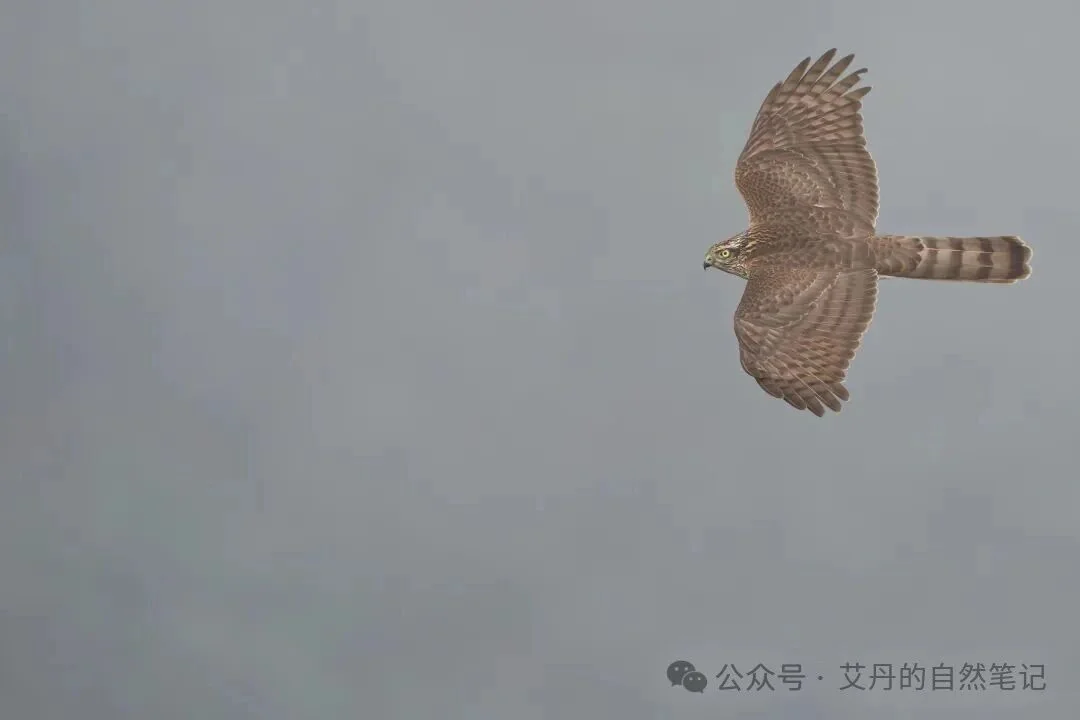
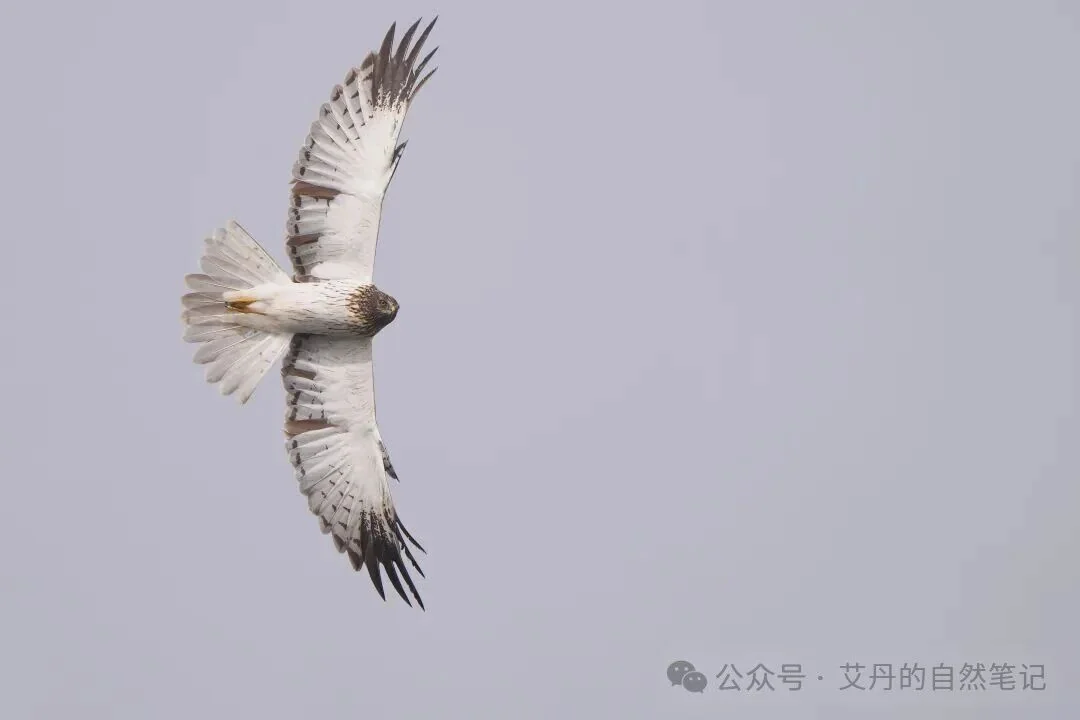
When the fog overhead cleared entirely and blue sky appeared, Crested Honey Buzzards began circling above us, Japanese Sparrowhawks kept flying over, and the Hen Harriers and Eurasian Sparrowhawks coming up the valley could now be seen much more clearly.
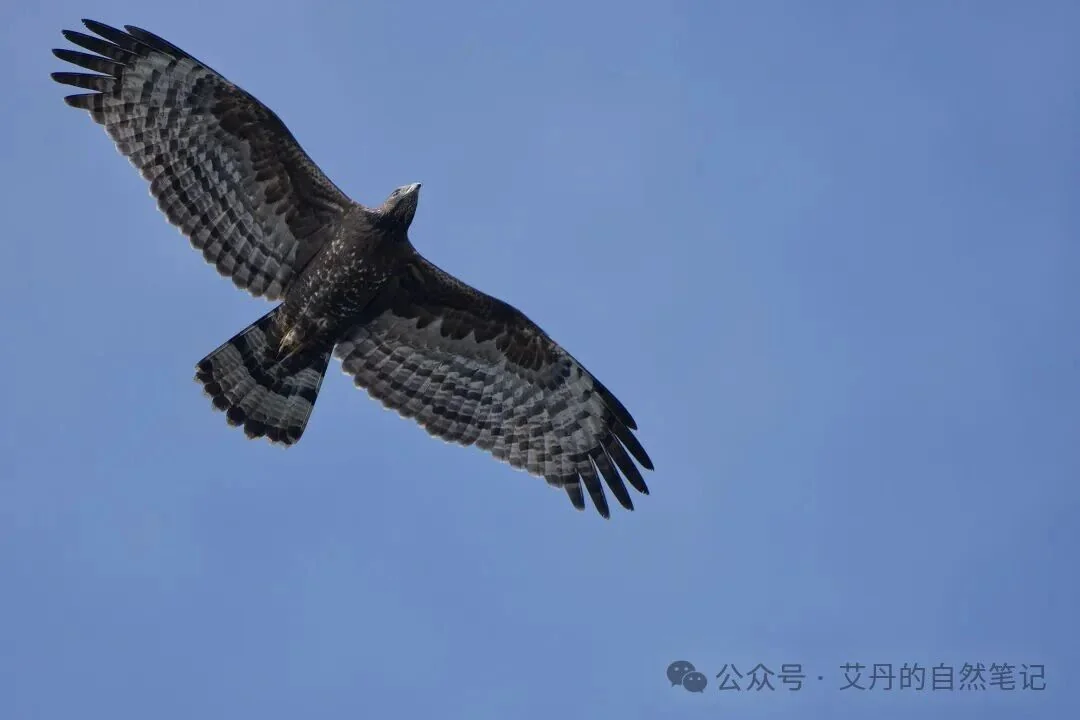
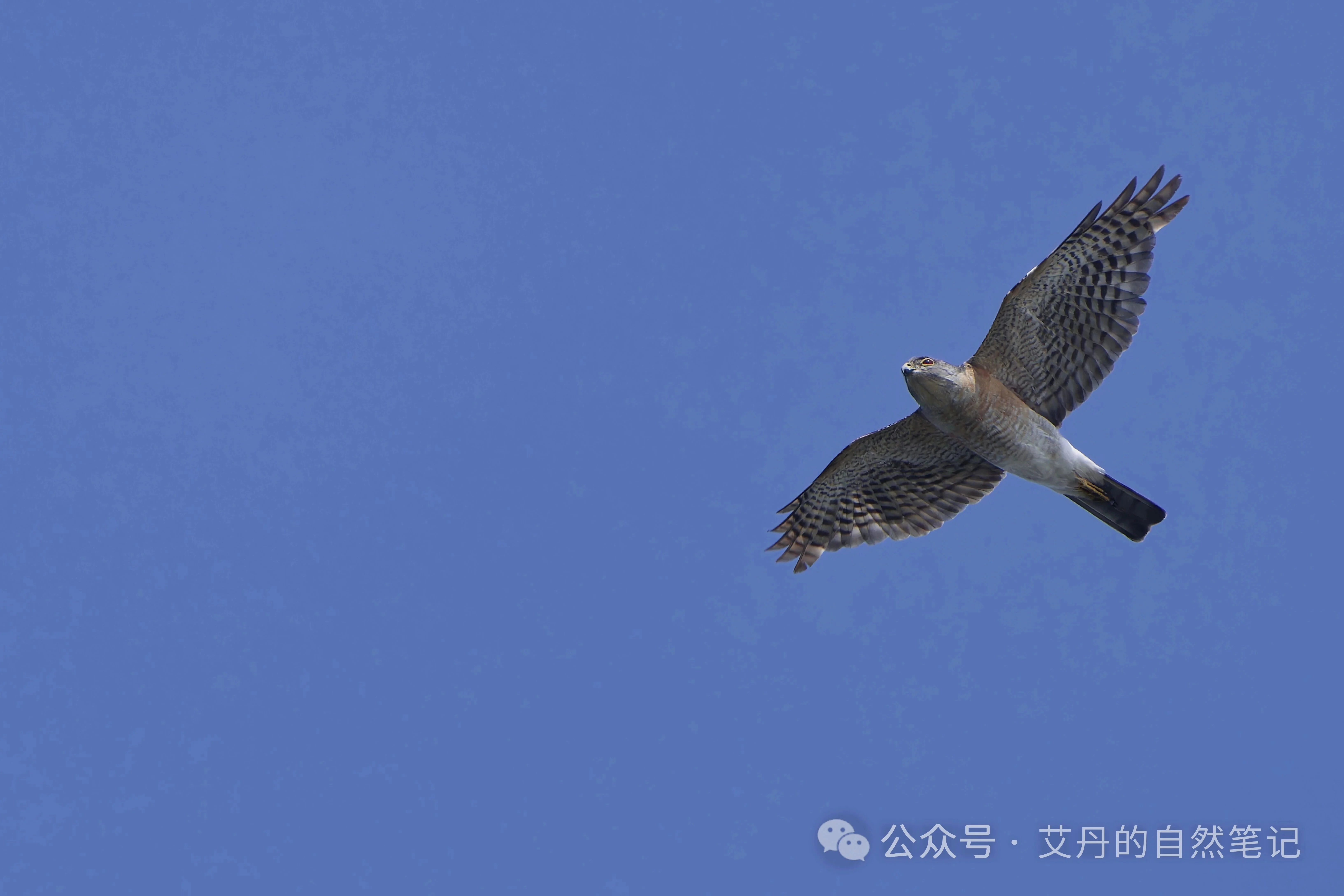
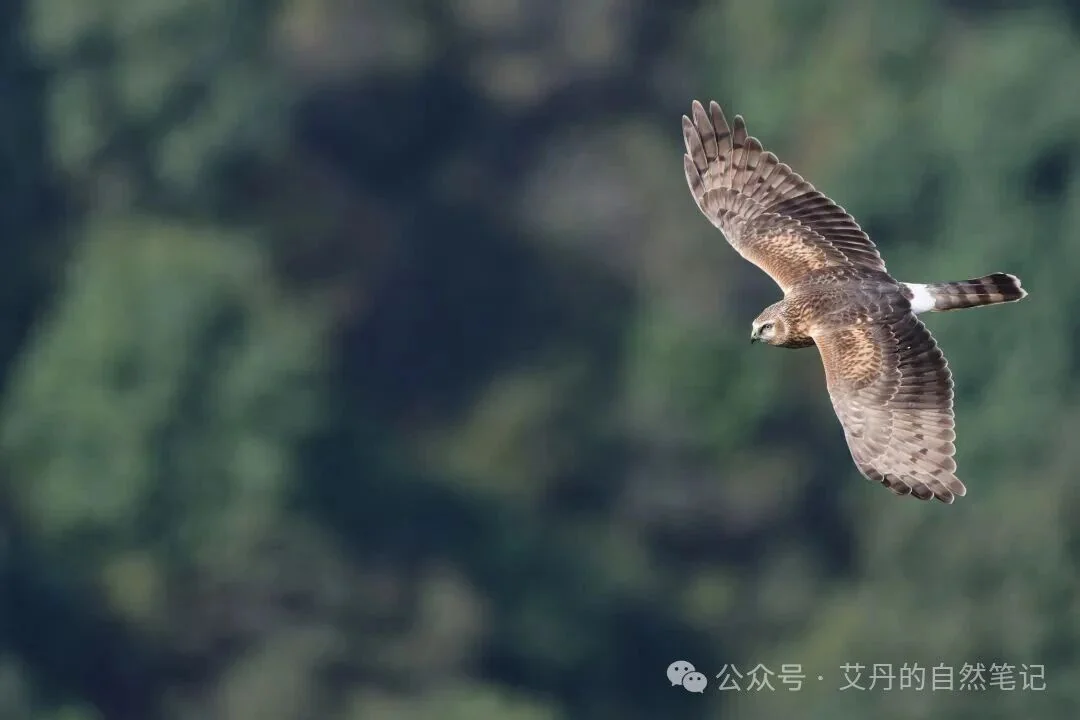
By one in the afternoon the Black Kites kept growing in number: out of the thick clouds in the distance came 1, then 5, then 10, then 50... An army of Black Kites, mixed with harriers and other raptors, poured from the cloud layer and kept coming for more than an hour. They rose higher and higher, spiraling up into several kettles. I no longer had time to keep count; there must have been over a thousand Black Kites.
The bird that loves to appear alongside Black Kites is the Booted Eagle. I studied every single kite, checking whether it was really a Booted Eagle disguised as one. After watching for a long while I finally spotted one overhead; it wasn't mixing into the kite kettles but taking a route of its own, slightly apart. A little later, unbelievably, a second one appeared, also keeping out of the big kite flock and following the same route as the first.
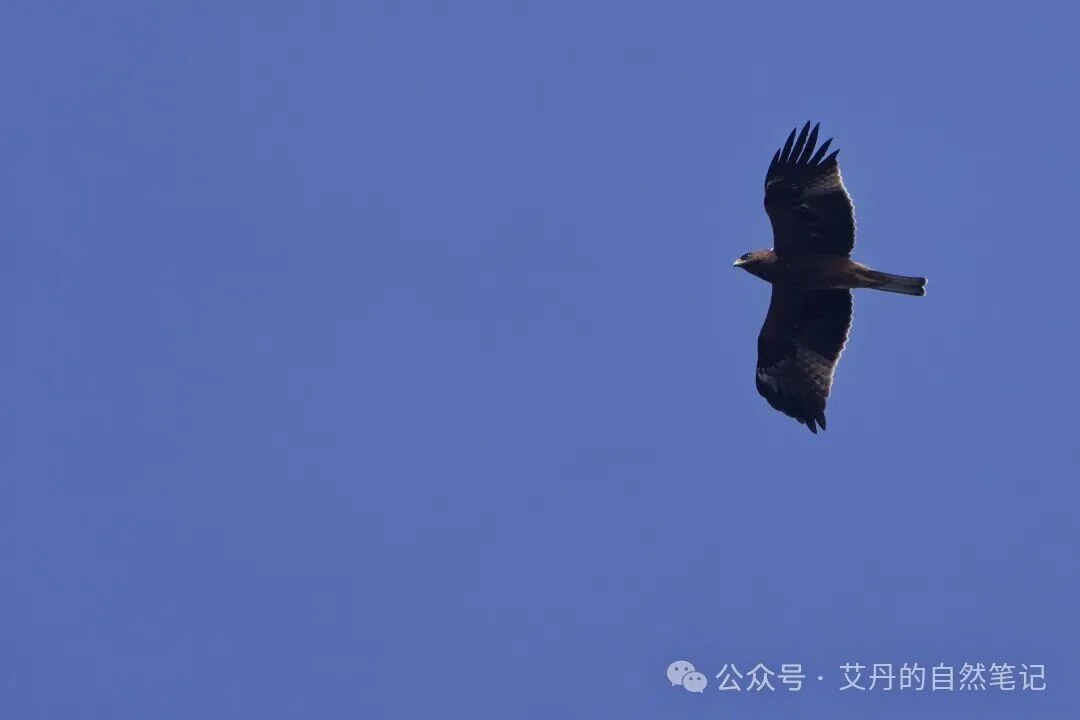
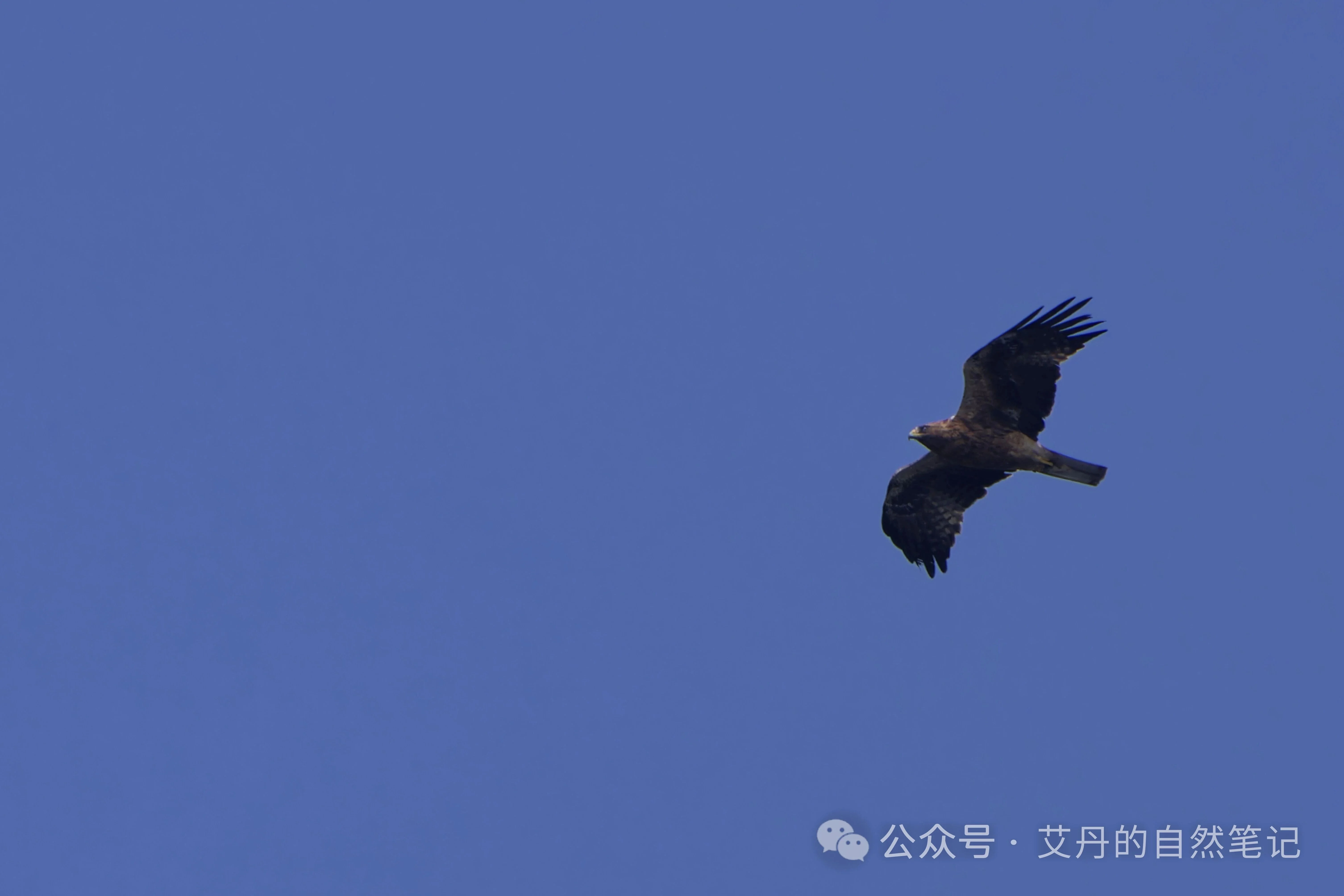
Besides these two Booted Eagles, another eagle rode in on the Black Kites: a Short-toed Snake Eagle. It circled once over my head and then, just like the Booted Eagles, made straight for the northwest.
Toward three o'clock the raptors gradually thinned out in the sky, and it was time to head down the mountain. Good luck to them all.
Comments