A holiday has to mean birding! With only one day free, I picked somewhere reasonably close to watch, and settled on Shahe Reservoir.
After a full day of rain, everything was damp there, and the Water Pipits that usually feed at the water's edge had all retreated deep into the woods.
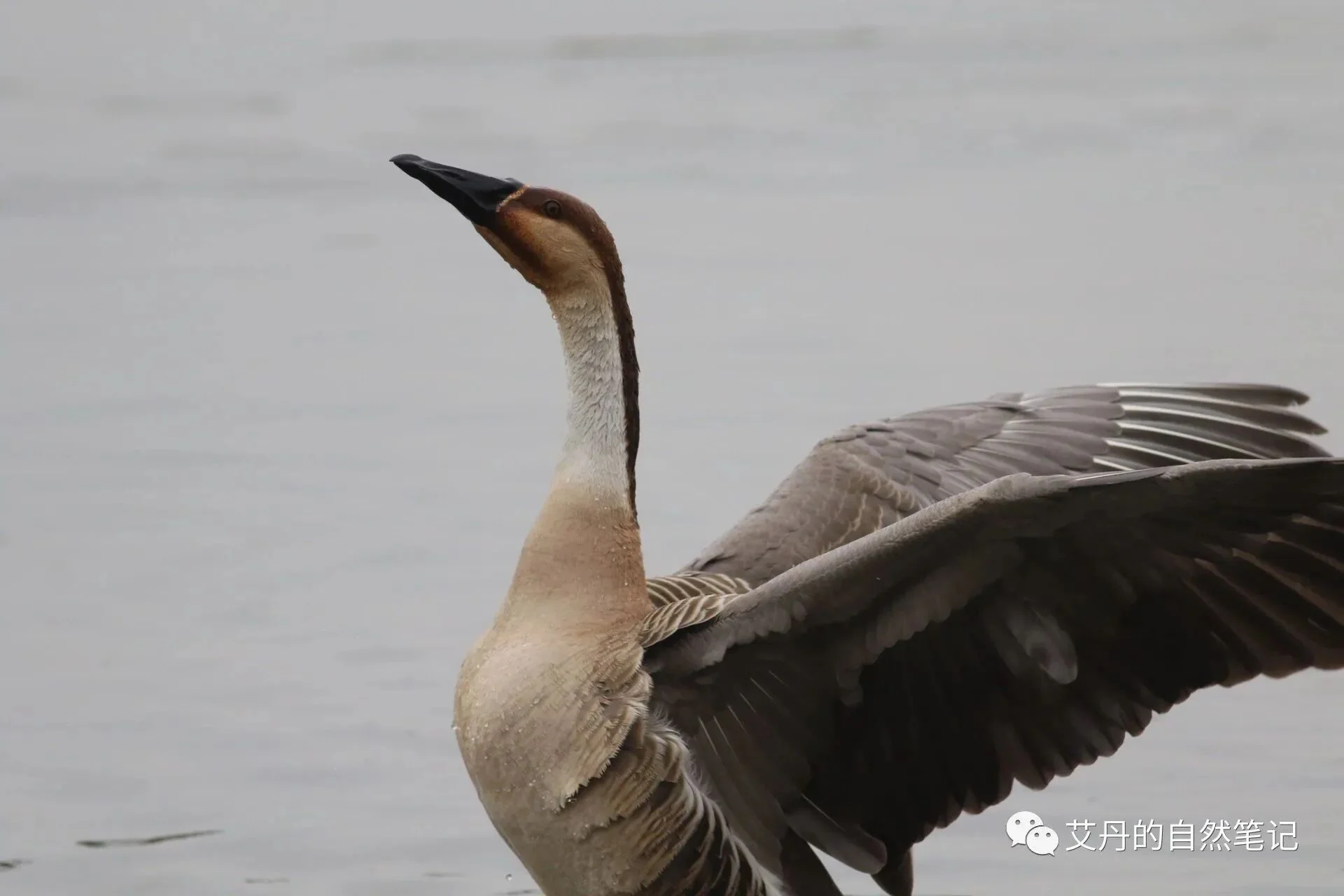
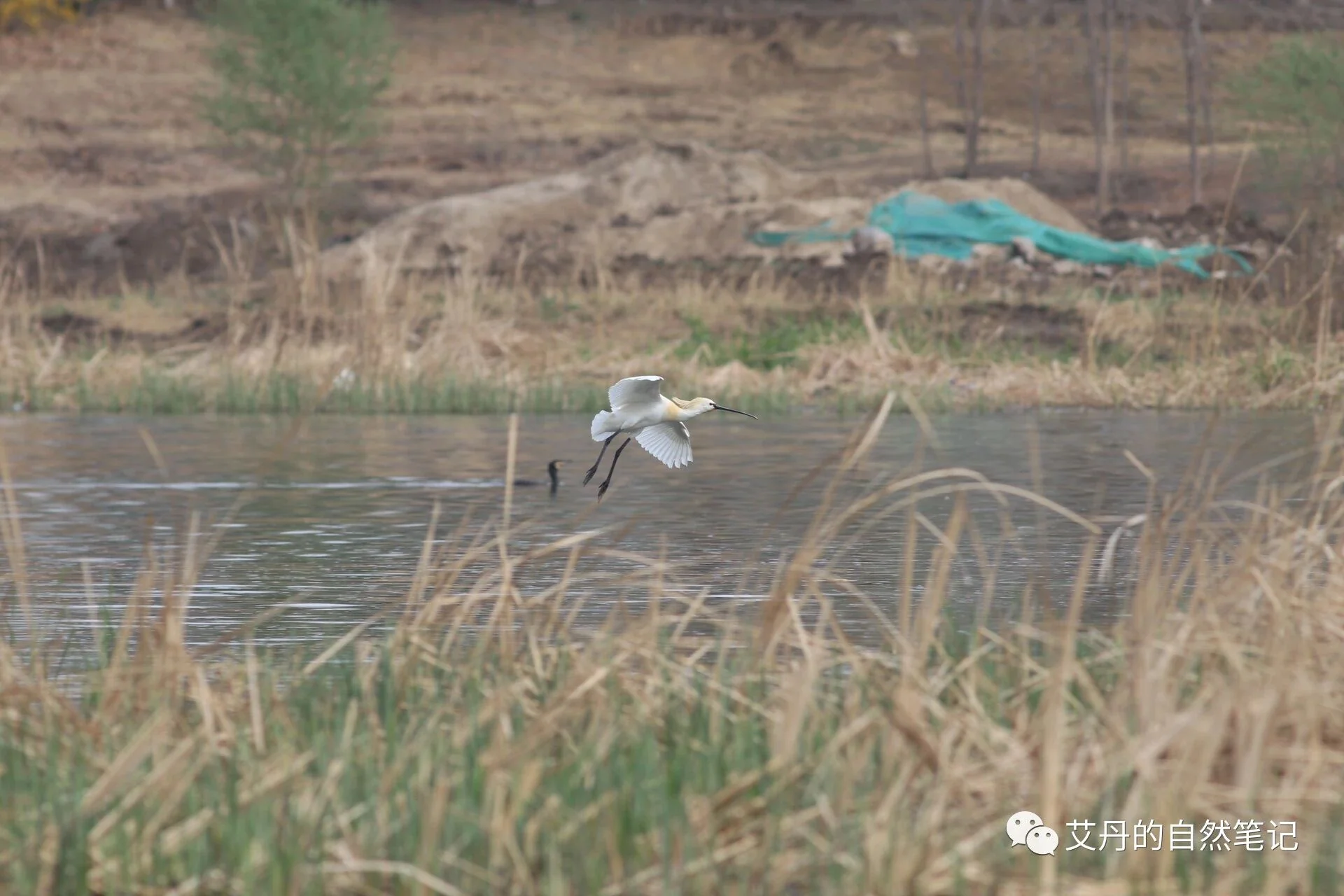
A flock of Eurasian Spoonbills was feeding, and I watched their hot-pot-straining technique for a while. Nearby were a few Greylag Geese and a flock of Swan Geese, heads buried in the water, searching for food.
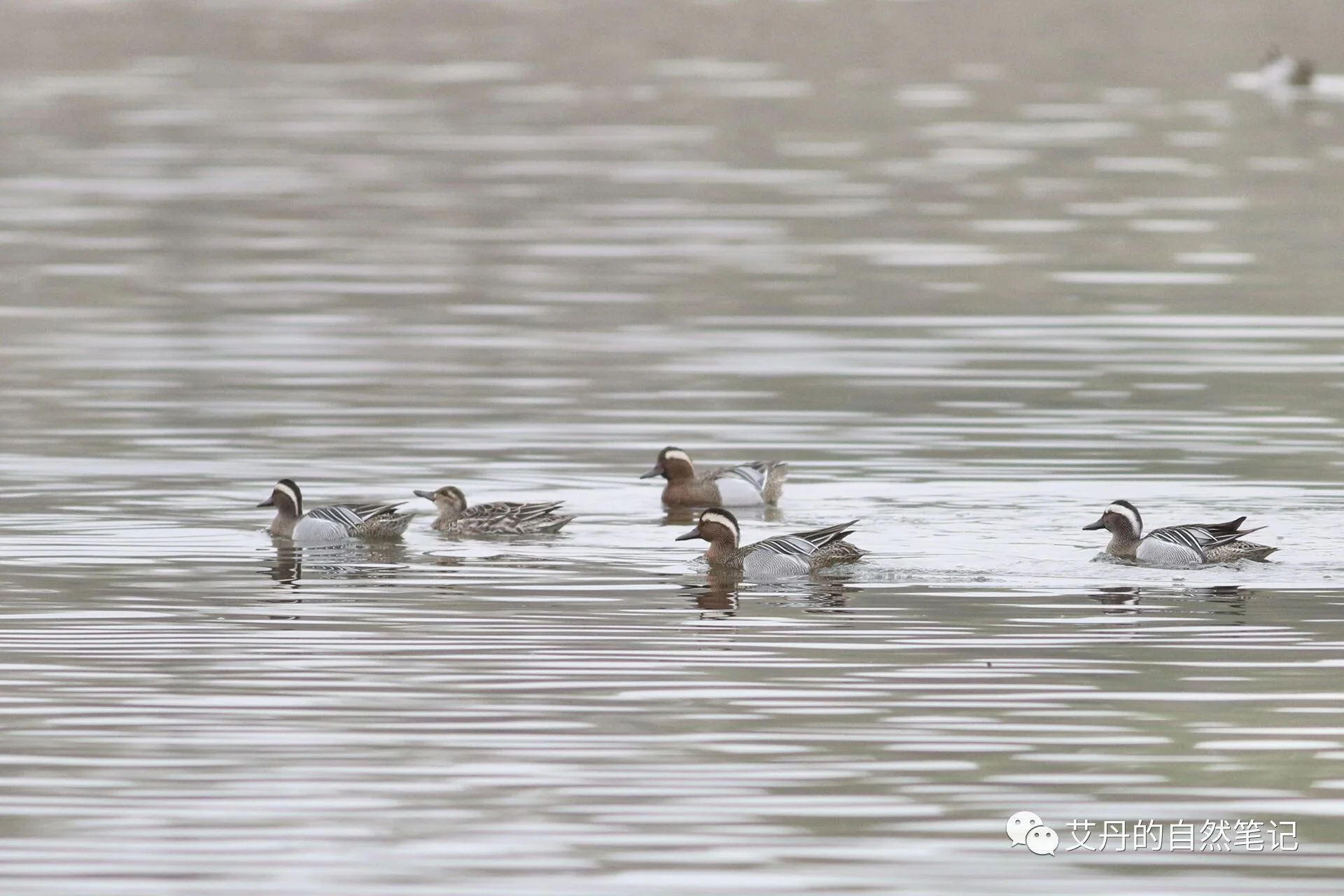
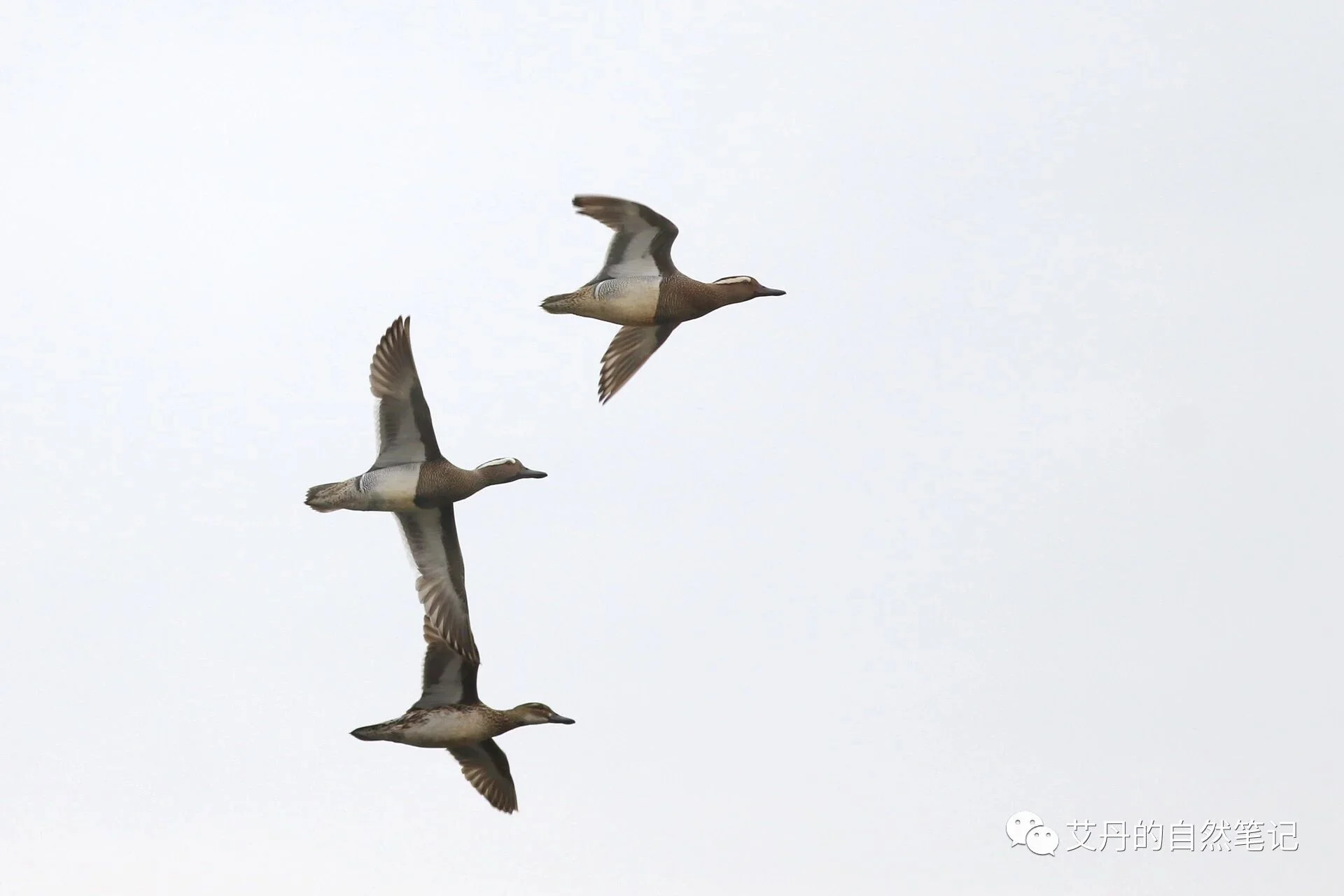
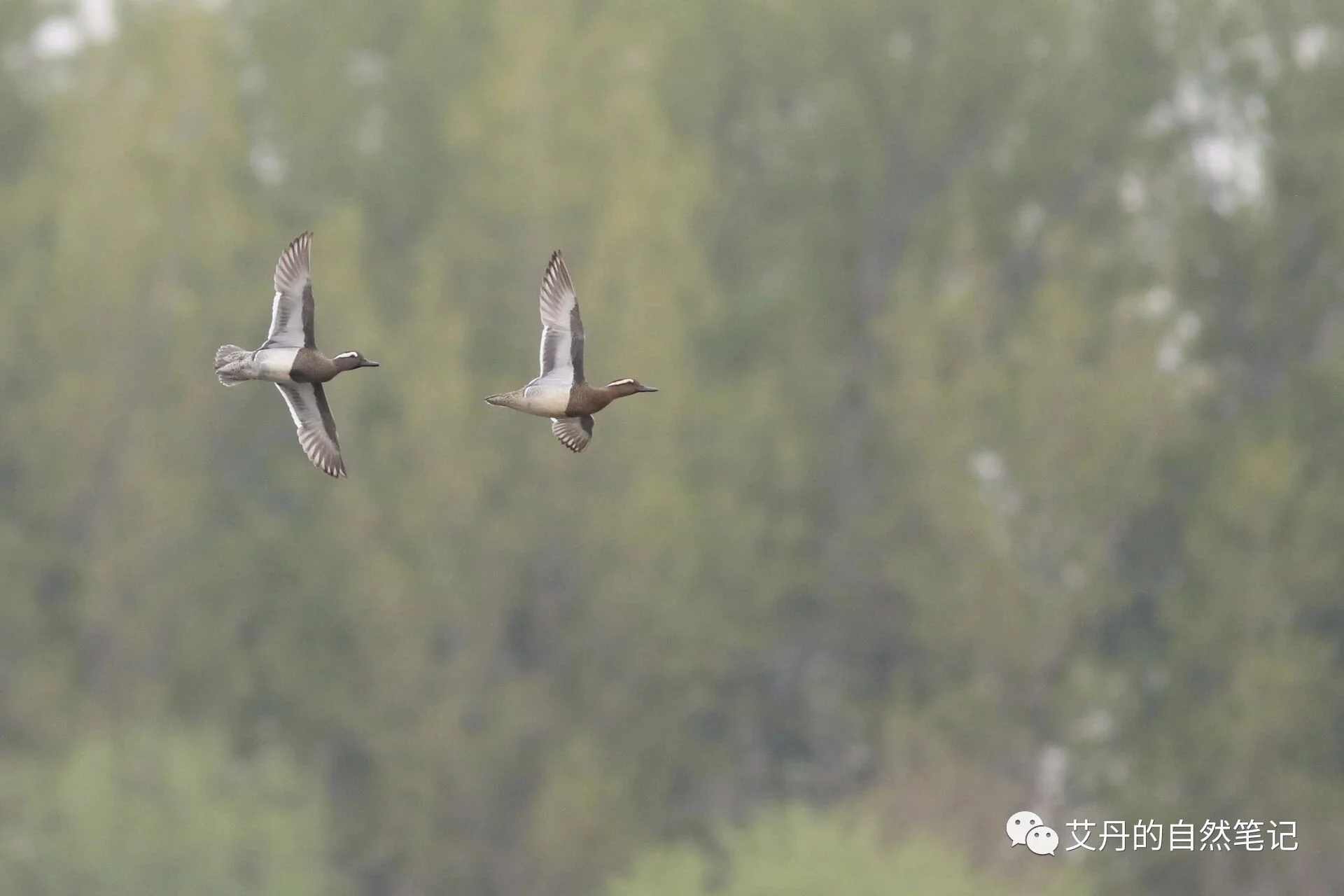
On the other side of the reservoir, a group of swans swam back and forth not far off. Suddenly a small flock of ducks flew over in the distance: Garganeys, no less! But they circled once and flew off in the other direction. Just as I was mourning the missed chance, another group of Garganeys dropped onto this stretch of water, close enough for me to see them well.
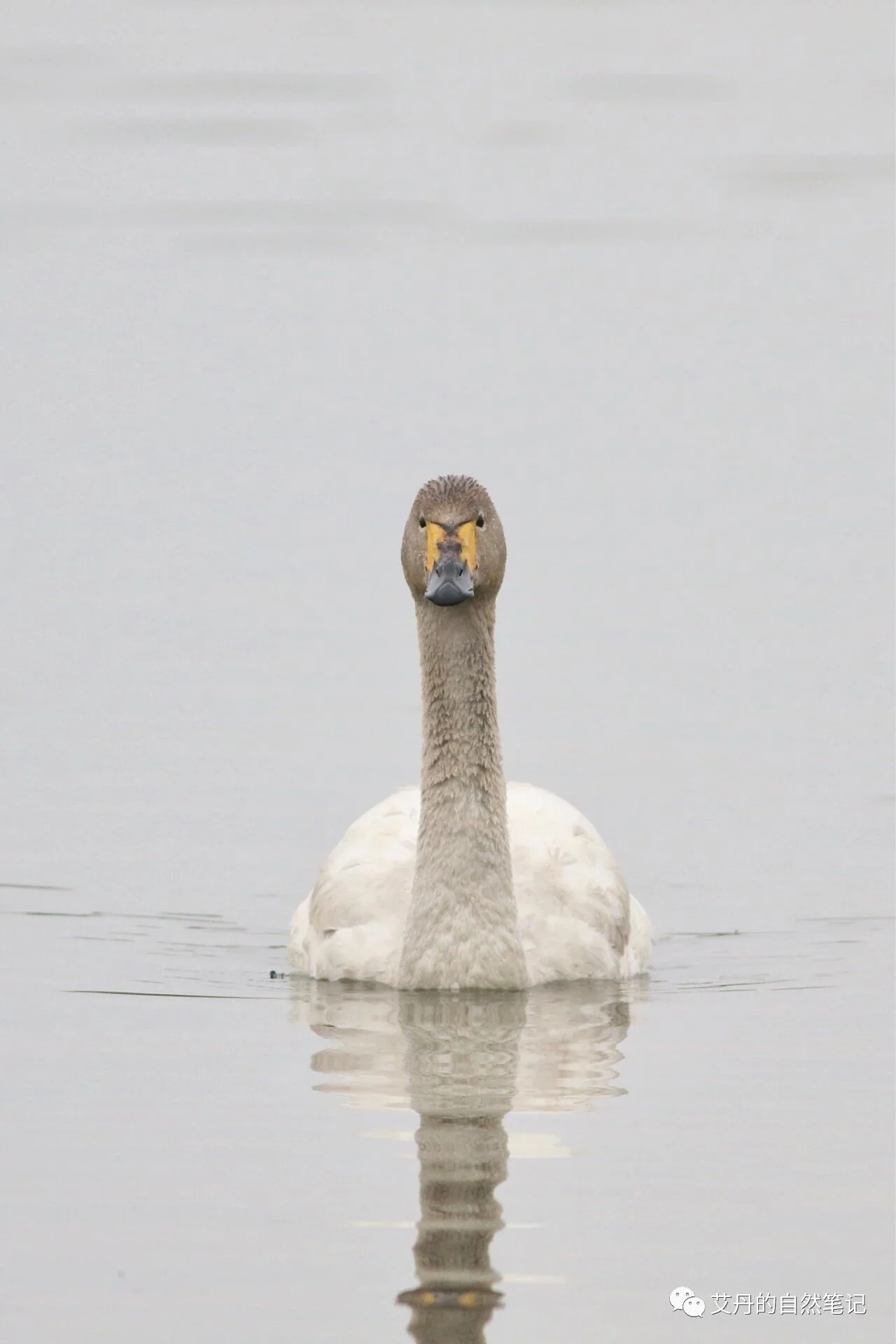
A small group of Tundra Swans woke from their nap, and one of them stared at me, quite goofily.
Every little while they would fly a few laps and settle back in the same spot, as if practicing for the long flight to the far north.
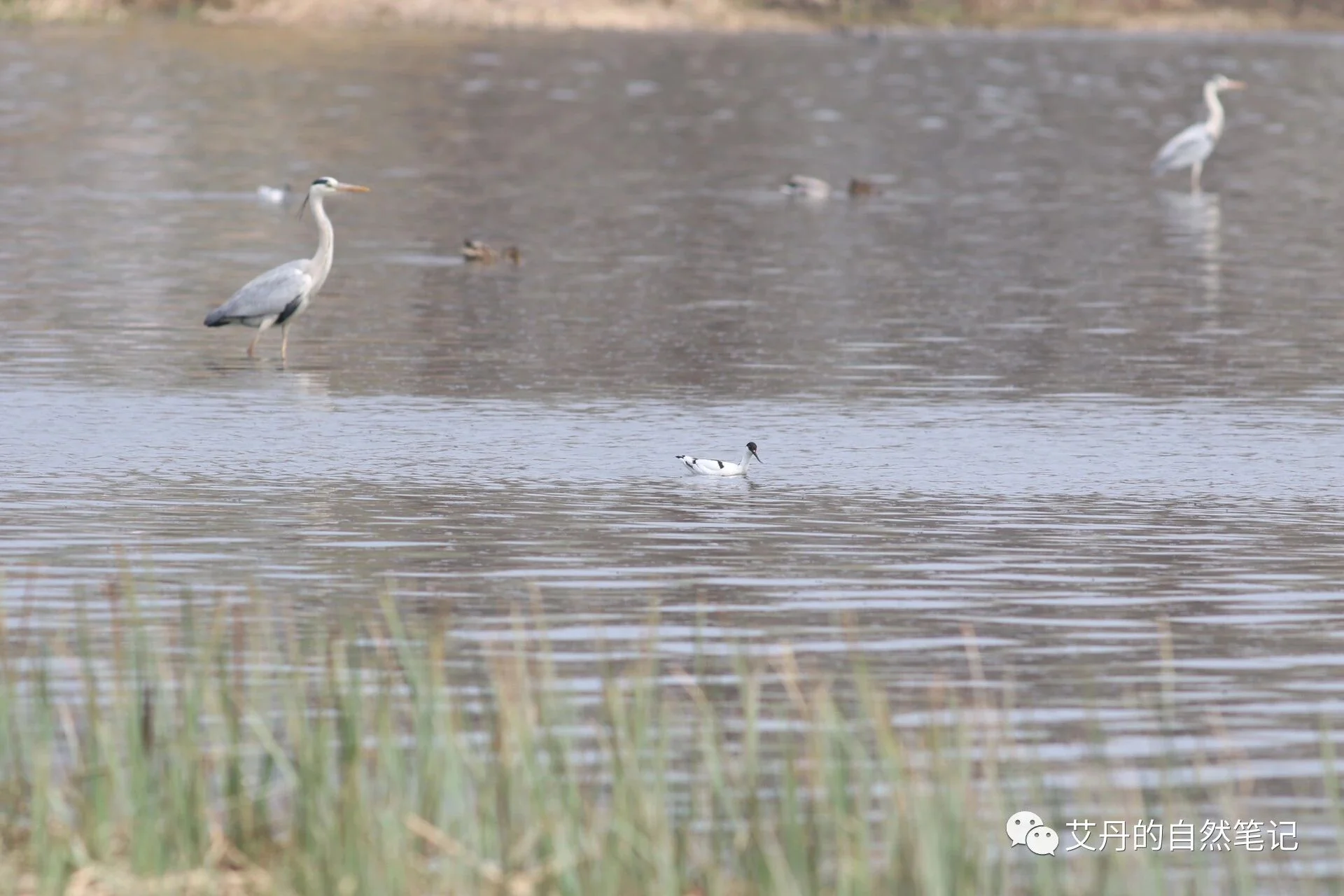
At the Gonghuacheng peninsula, a group of Eurasian Spoonbills had settled, with many Pied Avocets feeding in the water beside them. Their feeding motion resembles the spoonbills', just faster, and it was fascinating to watch.
Then came the news: a big flock of Oriental Plovers at Sangyuan. That had been my original plan, but I'd thought the drive too far and chose Shahe instead. The birding at Shahe had already been wonderful, yet the plover news made me want a look at Guanting all the same. I asked Mom and Dad, and they actually said yes! I hurried back to the car and we made straight for Guanting!
A tree full of Common Starlings by the highway exit, and nowhere to stop. It nearly drove me crazy.
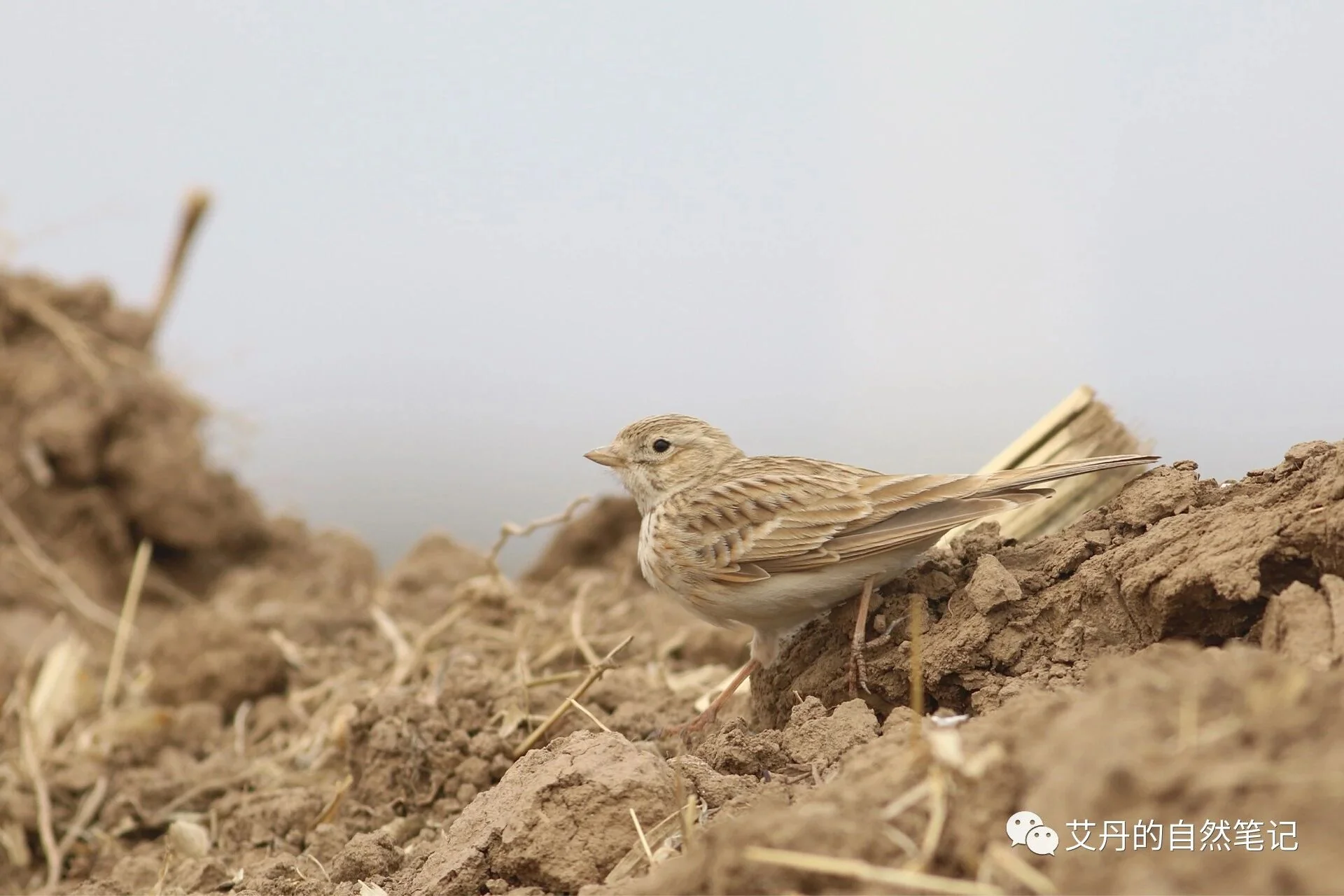
Soon we reached Sangyuan. The calls of Asian Short-toed Larks drifted over, and after a long search we discovered they were hovering right above our heads, singing in flight. A little later, perhaps tired out, one dove down and landed ahead of us.
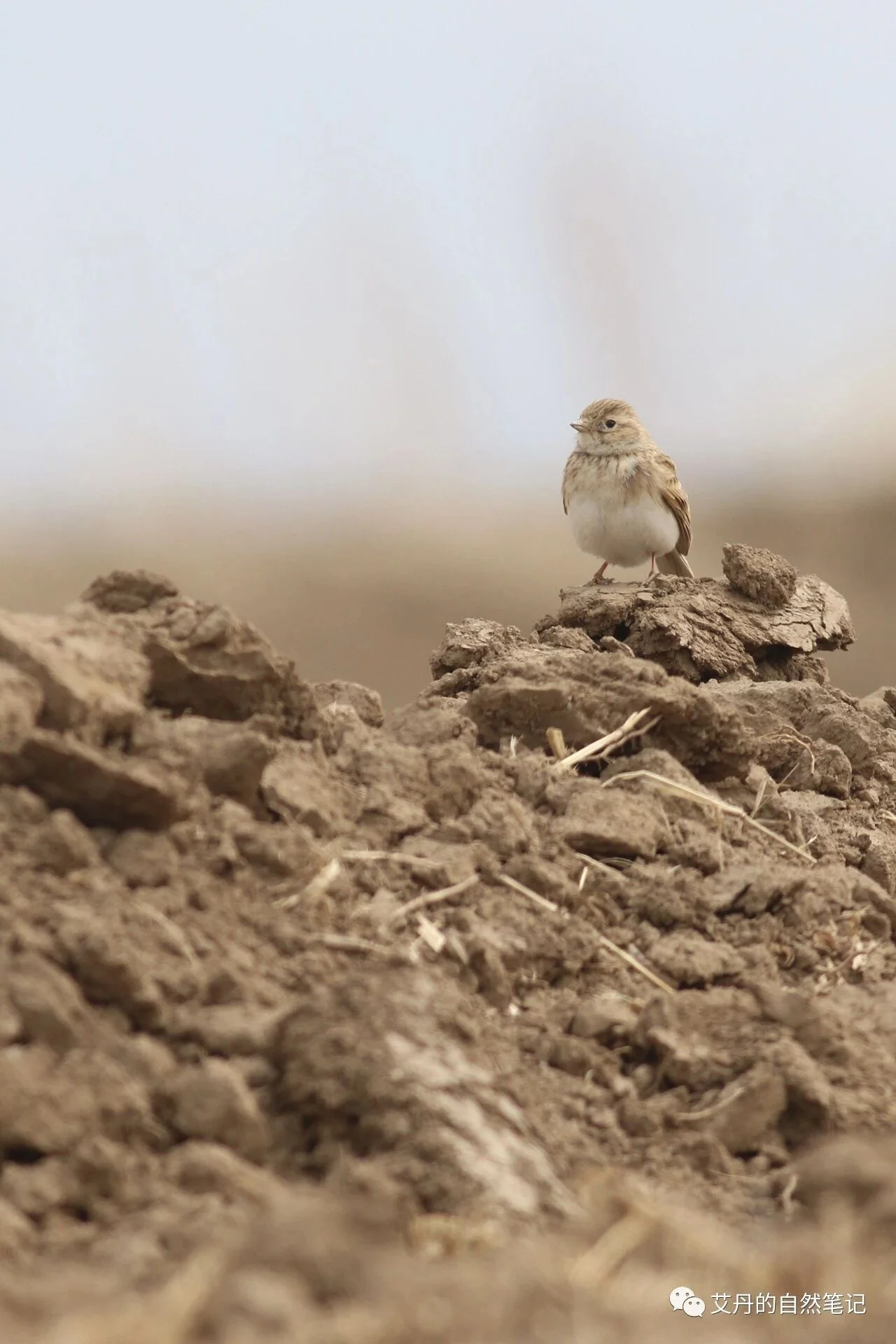
We kept searching. A Crag Martin flew past, while a Peregrine Falcon and an Eastern Marsh Harrier patrolled the air.
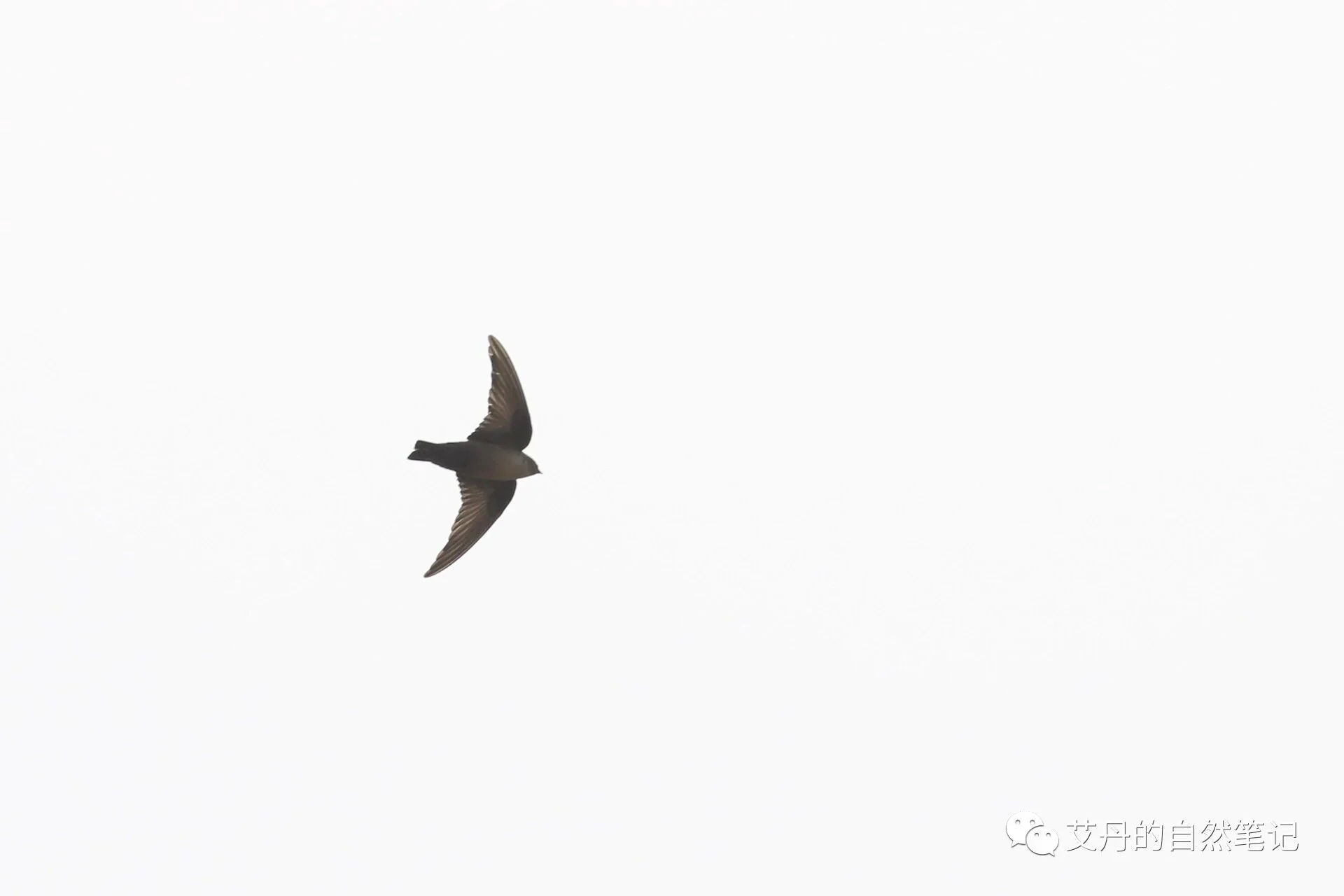
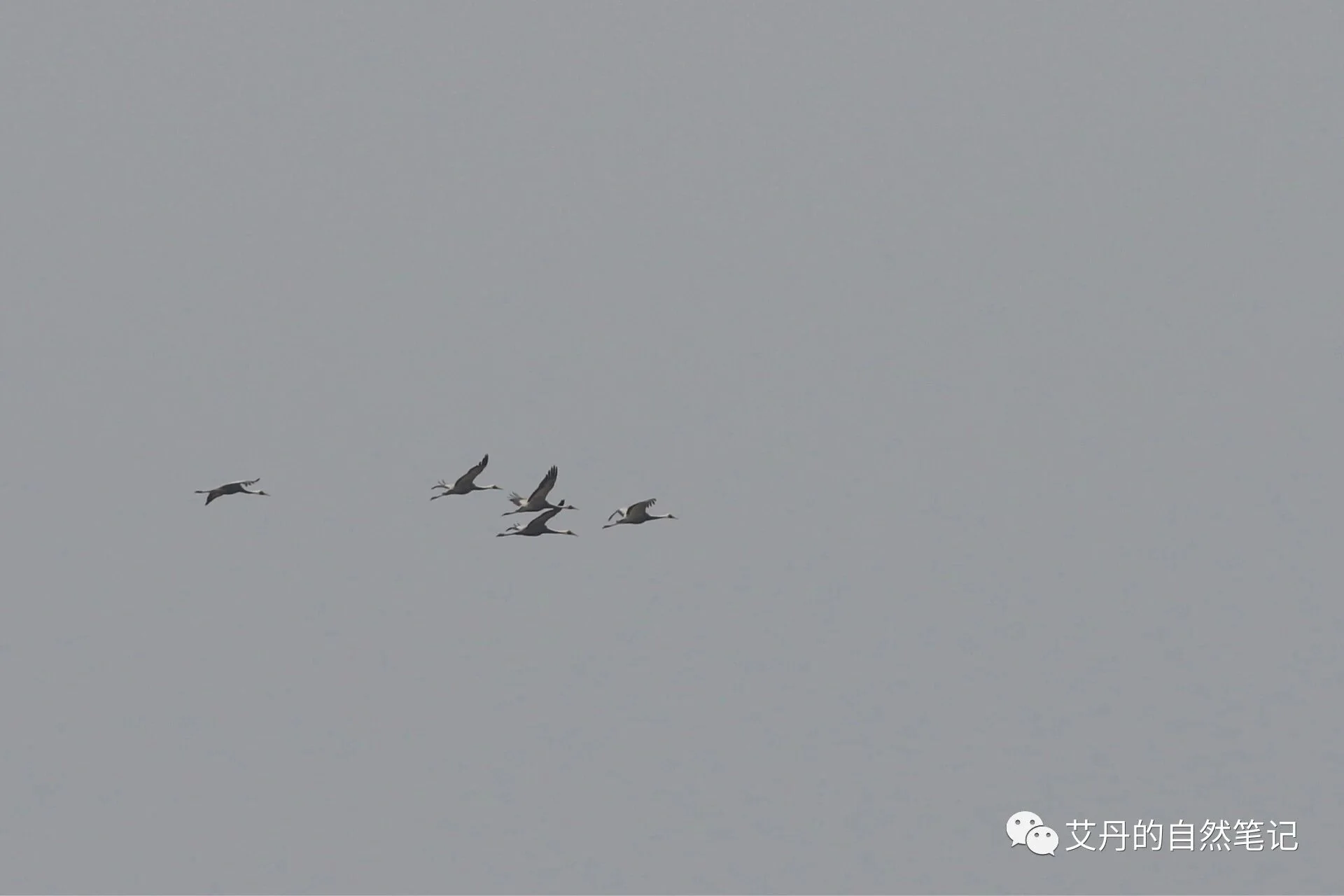
Still no Oriental Plover, but I found a big flock of Common Shelducks resting by the water, and on the way over, five White-naped Cranes flew past, farther and farther away.
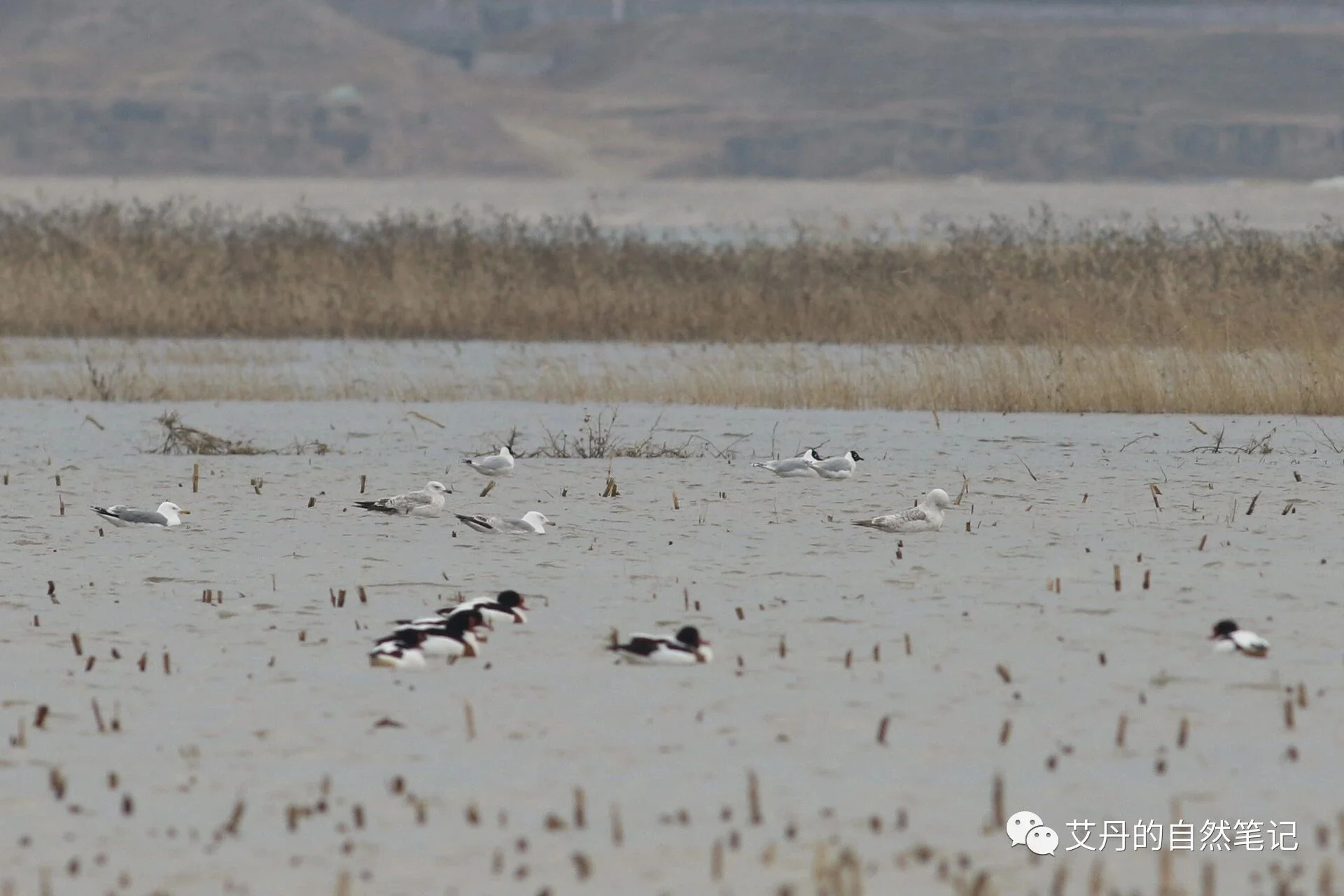
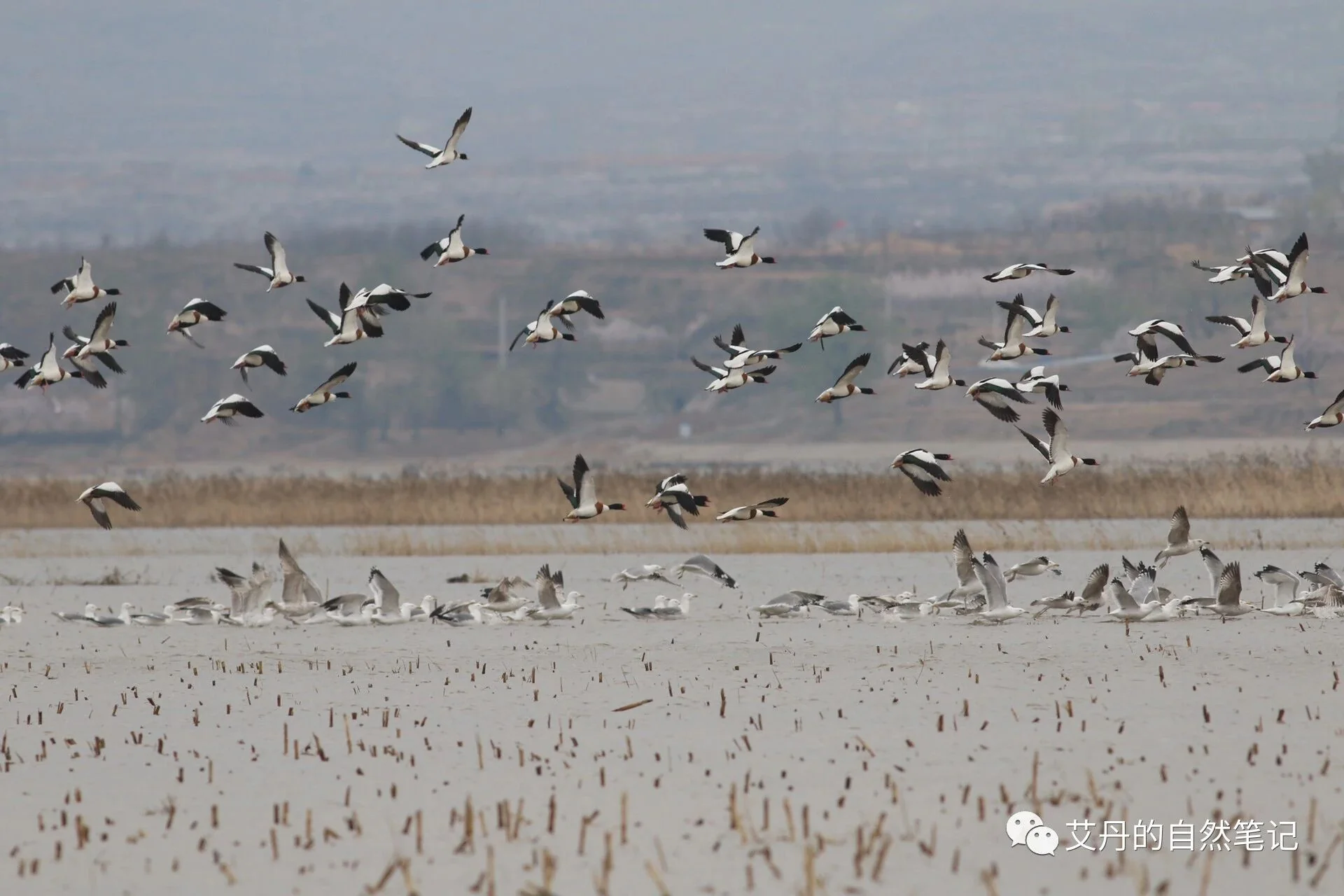
There were so many Common Shelducks they seemed to have claimed half the water. Behind the duck flock was a gathering of gulls: besides Siberian Gulls, there were several Relict Gulls! They drifted on the water, in no hurry at all.
Then a man in waders waded in to net fish beside the duck flock, and the ducks began alarm-calling, then all took to the air at once, filling the entire sky! They flew farther and farther until they were gone. The gulls left too, and the water suddenly stood empty.
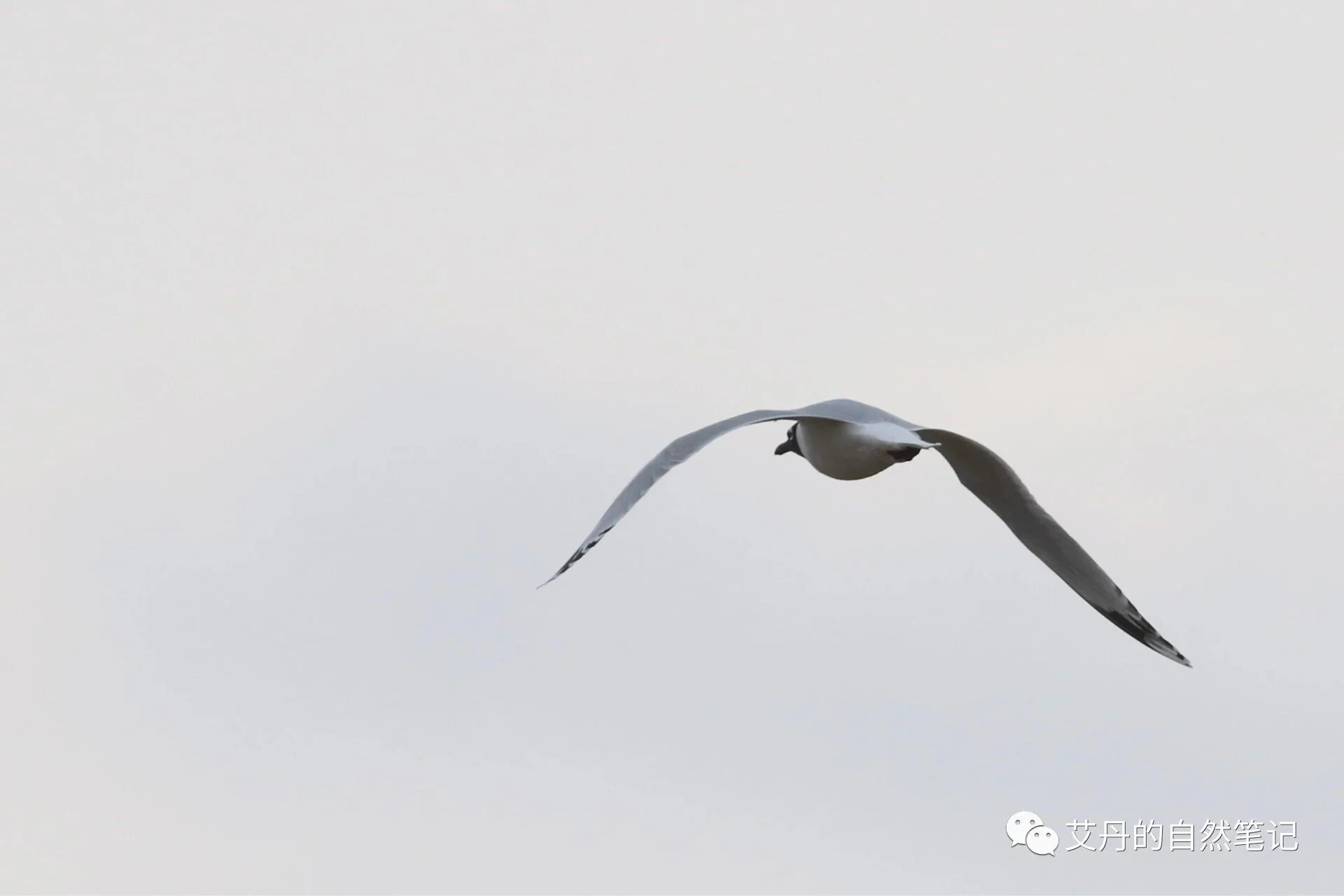
Just before we left, a Relict Gull flew close overhead, but by the time I spotted it, it was too late; all I got was a photograph of its departing back.
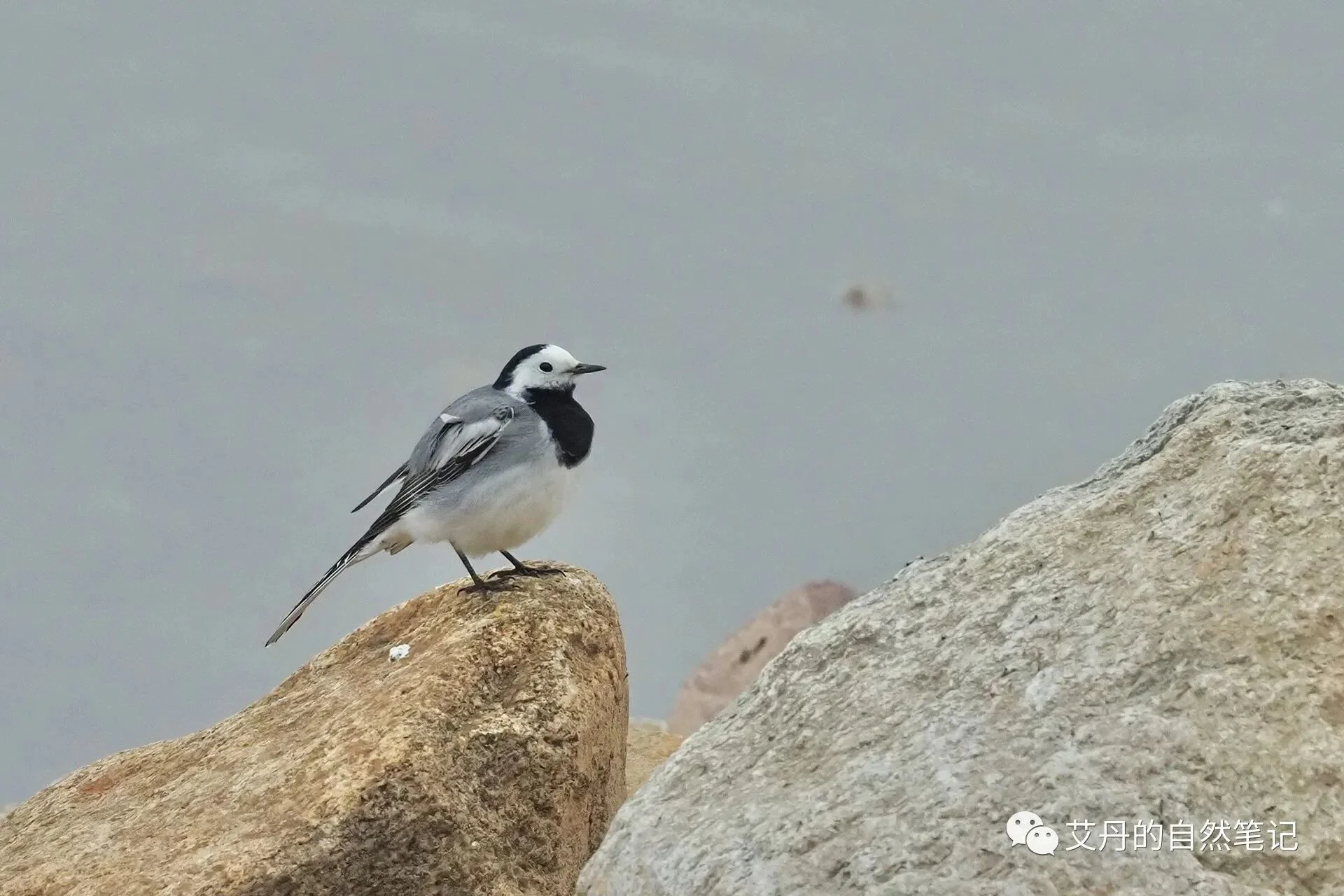
When I was importing the photos at home, I discovered that a White Wagtail I had casually photographed at Shahe was of the eastern alba subspecies, not common in Beijing, once I checked references and studied the pictures. A small, pleasant surprise.
Comments