The wind was gentler today, good birding weather. With the Qingming holiday upon us, I spent the whole day at Guanting Reservoir to see what it would give up. The biggest target, once again, was the Oriental Plover; this was already my third search of the year. I hoped my efforts wouldn't be wasted.
The original plan was to stop at the horse ranch first thing in the morning, but considering last week's haul there, and with the water still high, we decided to head straight for Guanting Reservoir.
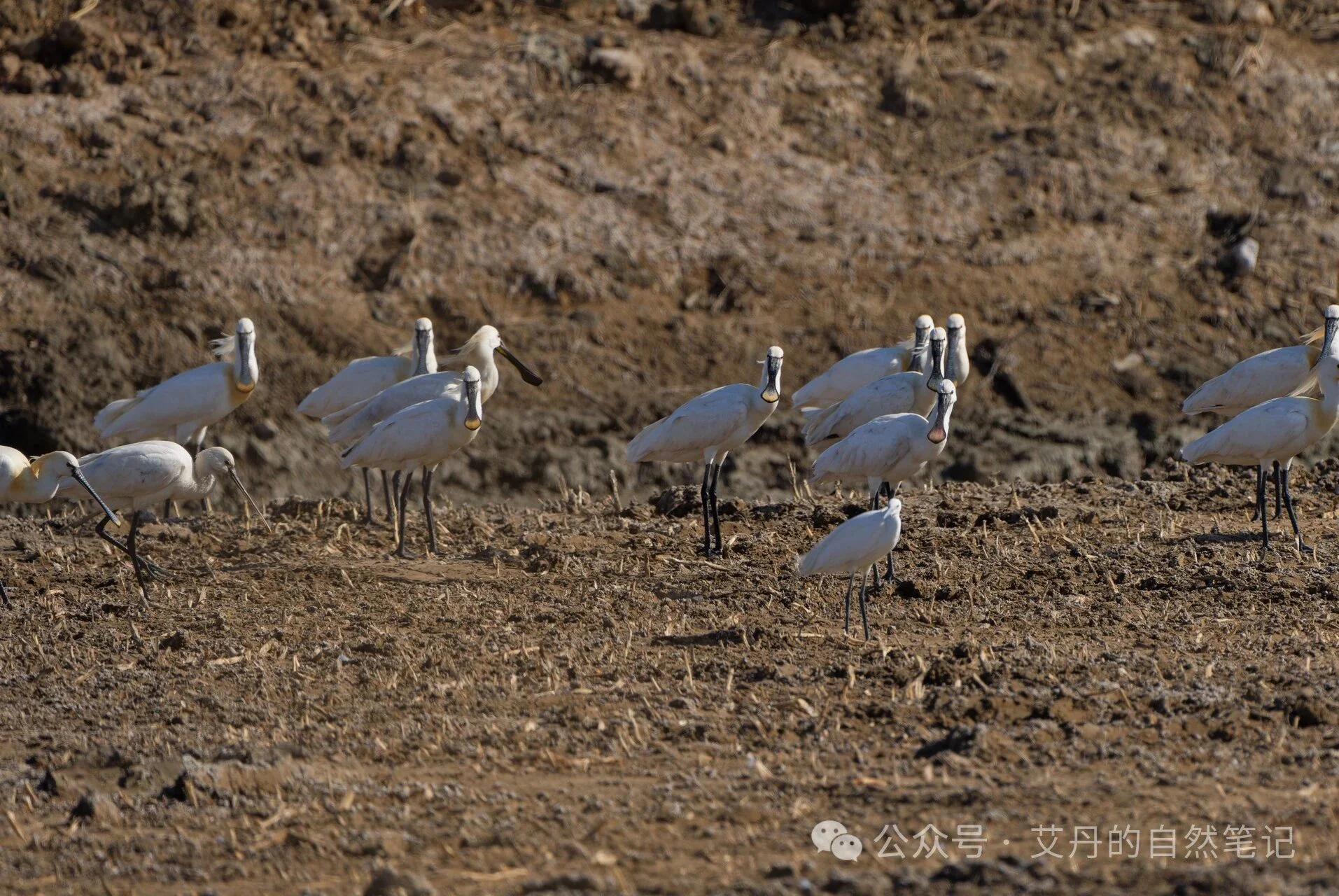
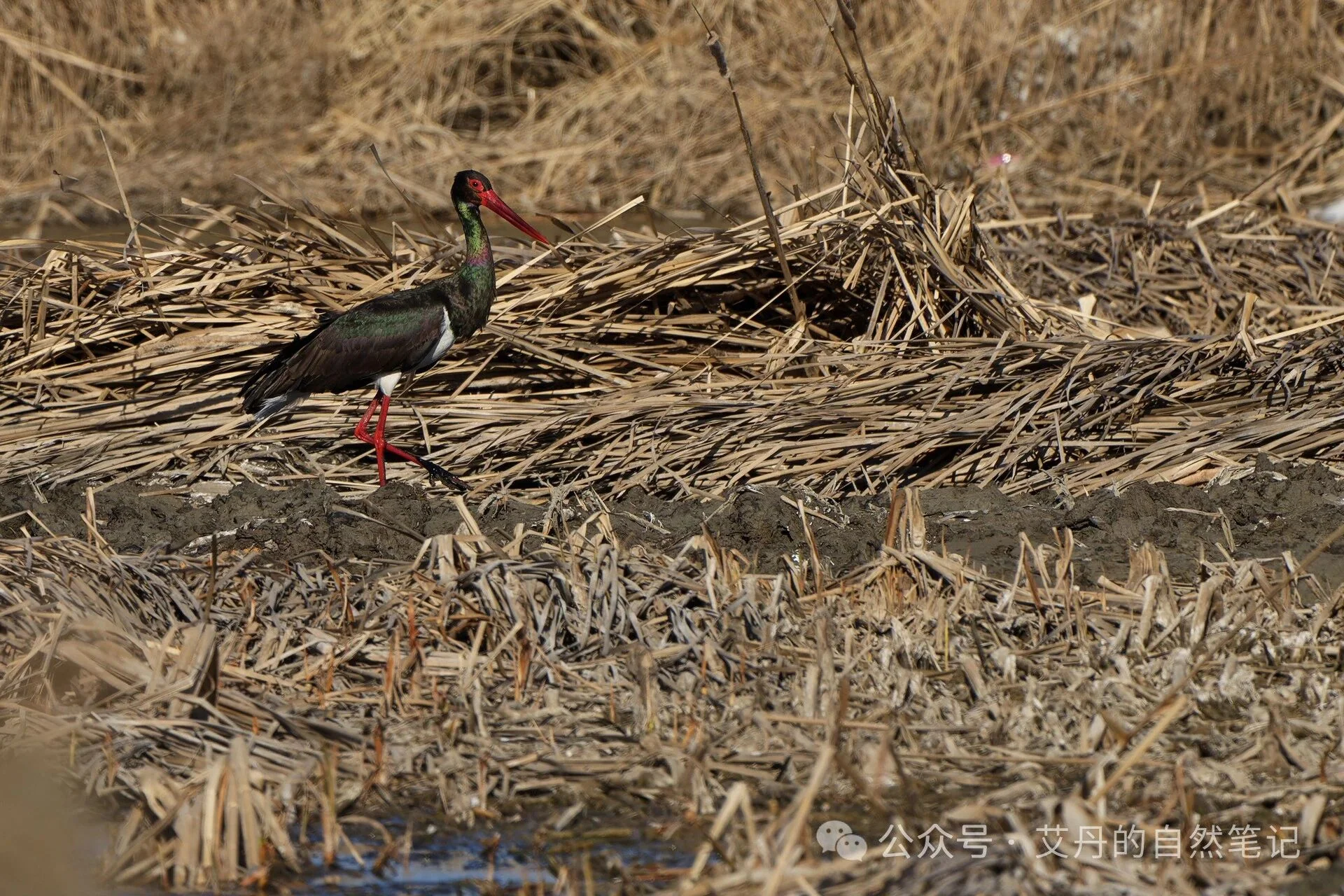
Early in the morning we took a loop around the wetland park: hundreds of Eurasian Spoonbills and gulls worked the fish ponds, with two Black Storks among them. Raptors kept crossing the sky: two Eastern Marsh Harriers, a Common Buzzard, a Common Kestrel, an Osprey, and a Peregrine Falcon actively hunting.
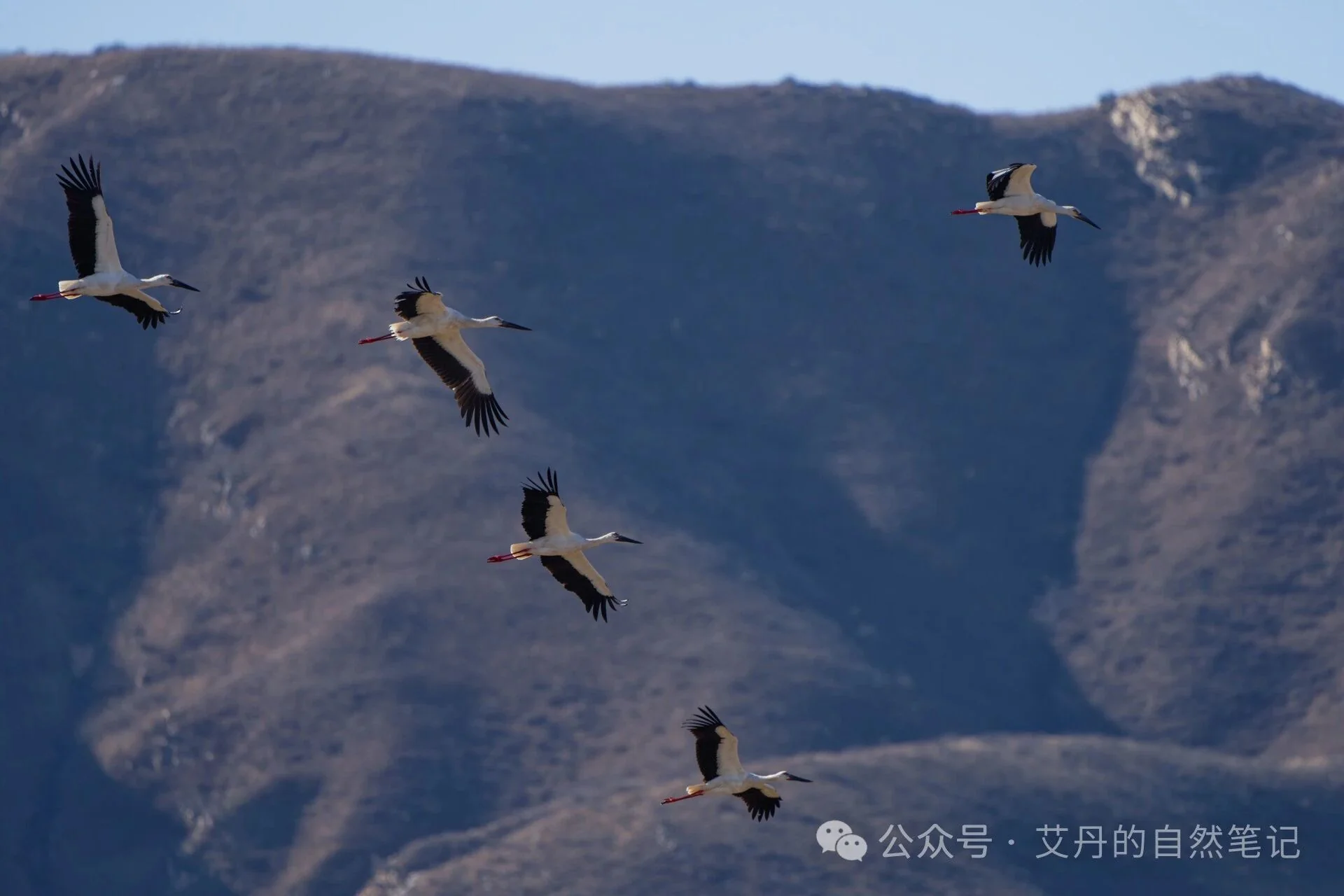
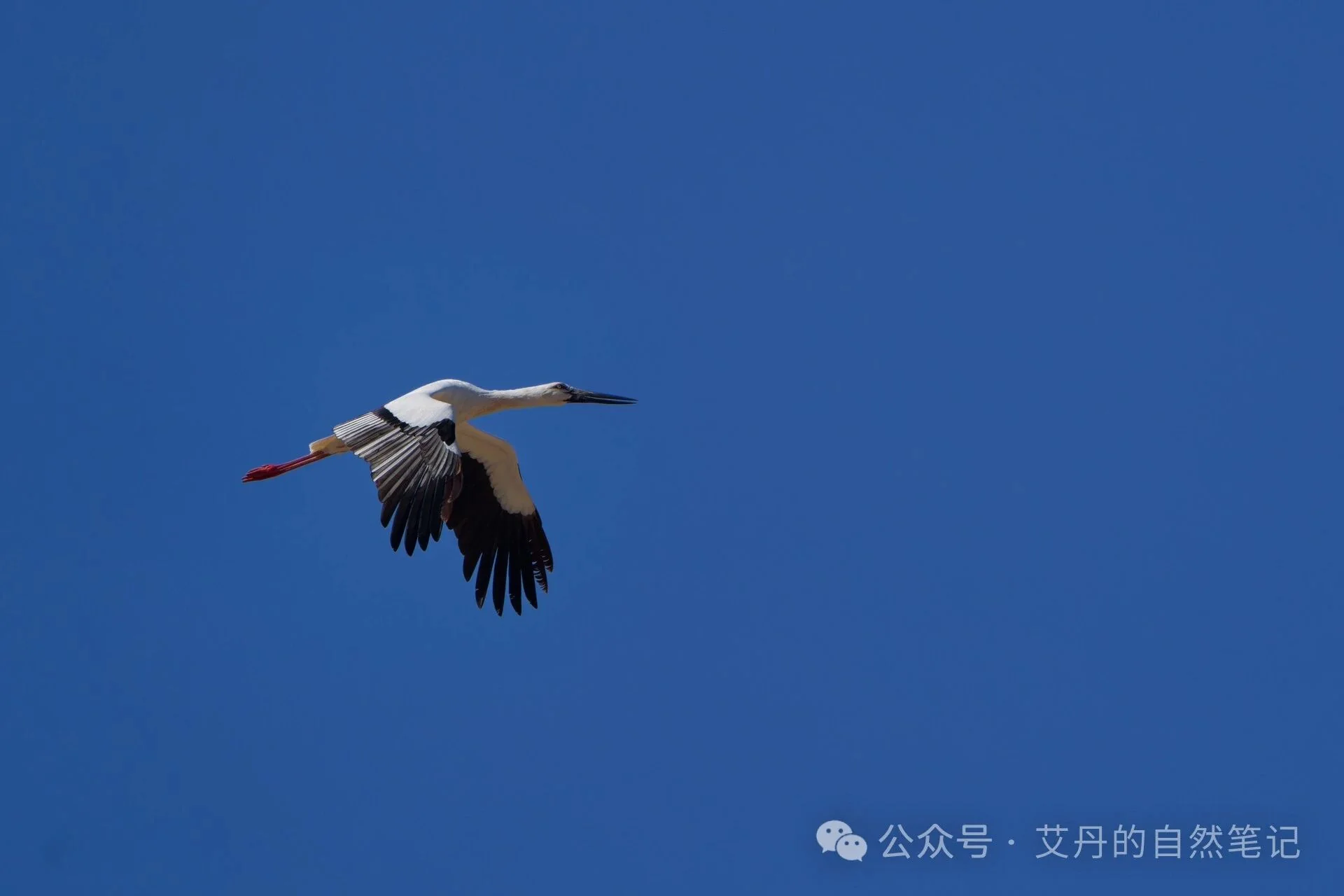
Suddenly, a small group of storks was circling in the distance: more than ten Oriental Storks, no less! They wheeled over the river channel for a long while, perhaps looking for a place to come down.
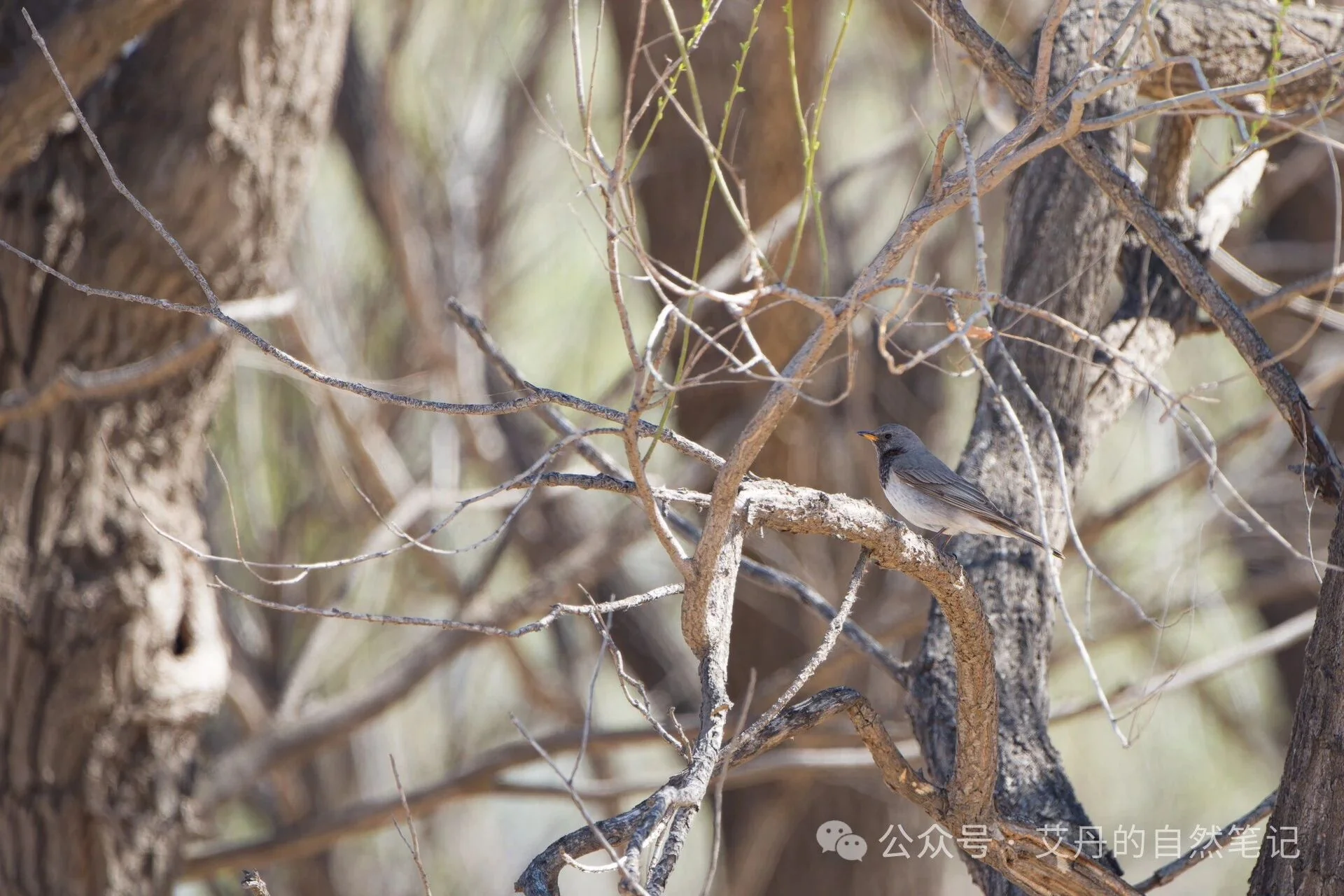
We walked on along the channel, but besides the Oriental Storks there was little else to be had, so we decided to move somewhere new and look for crane flocks out in the farmland. One stretch of road ran between woods full of thrushes. Looking carefully, I was surprised to find one particularly clean Black-throated Thrush, its throat carrying not a trace of red, the purest Black-throated Thrush I had ever seen.
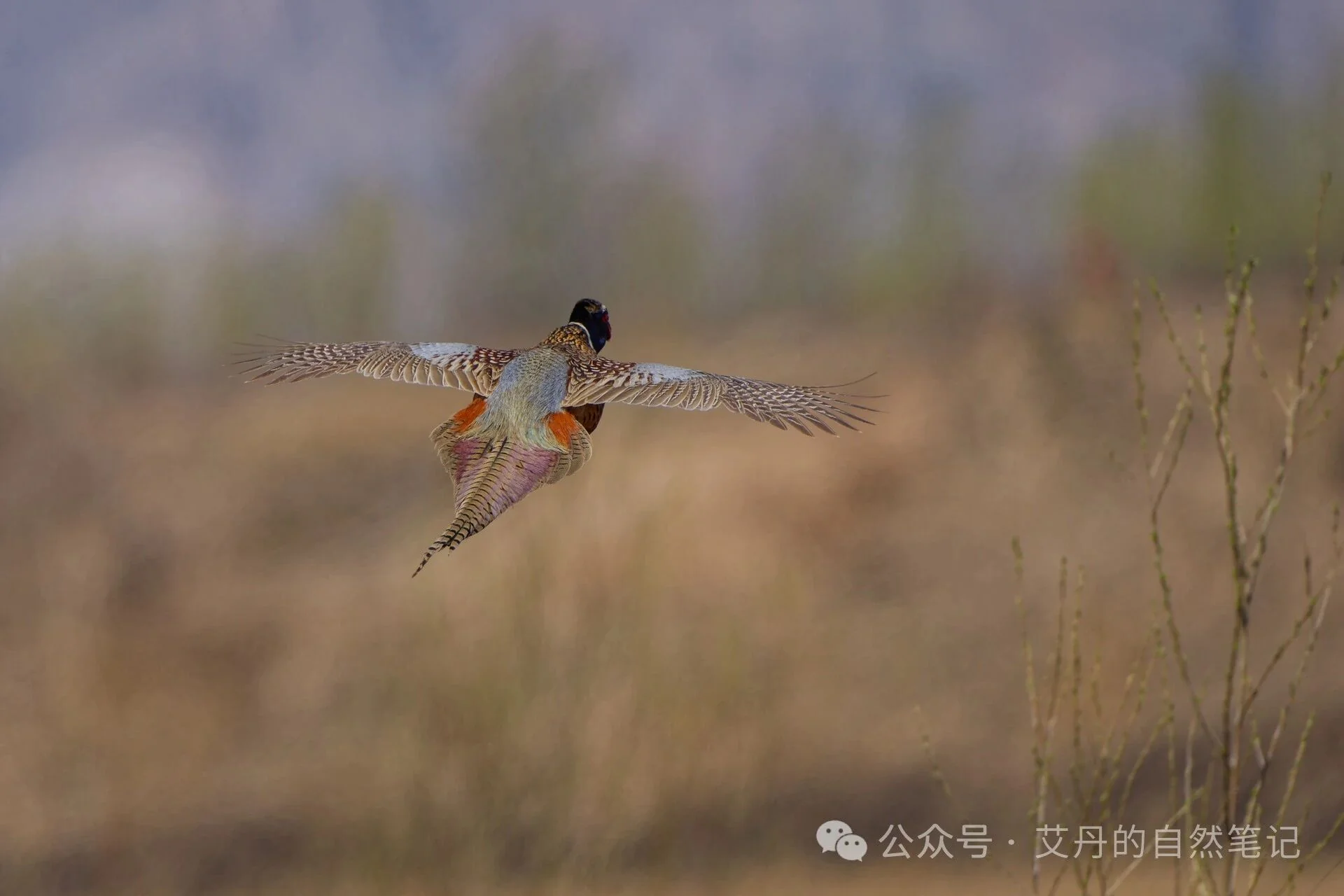
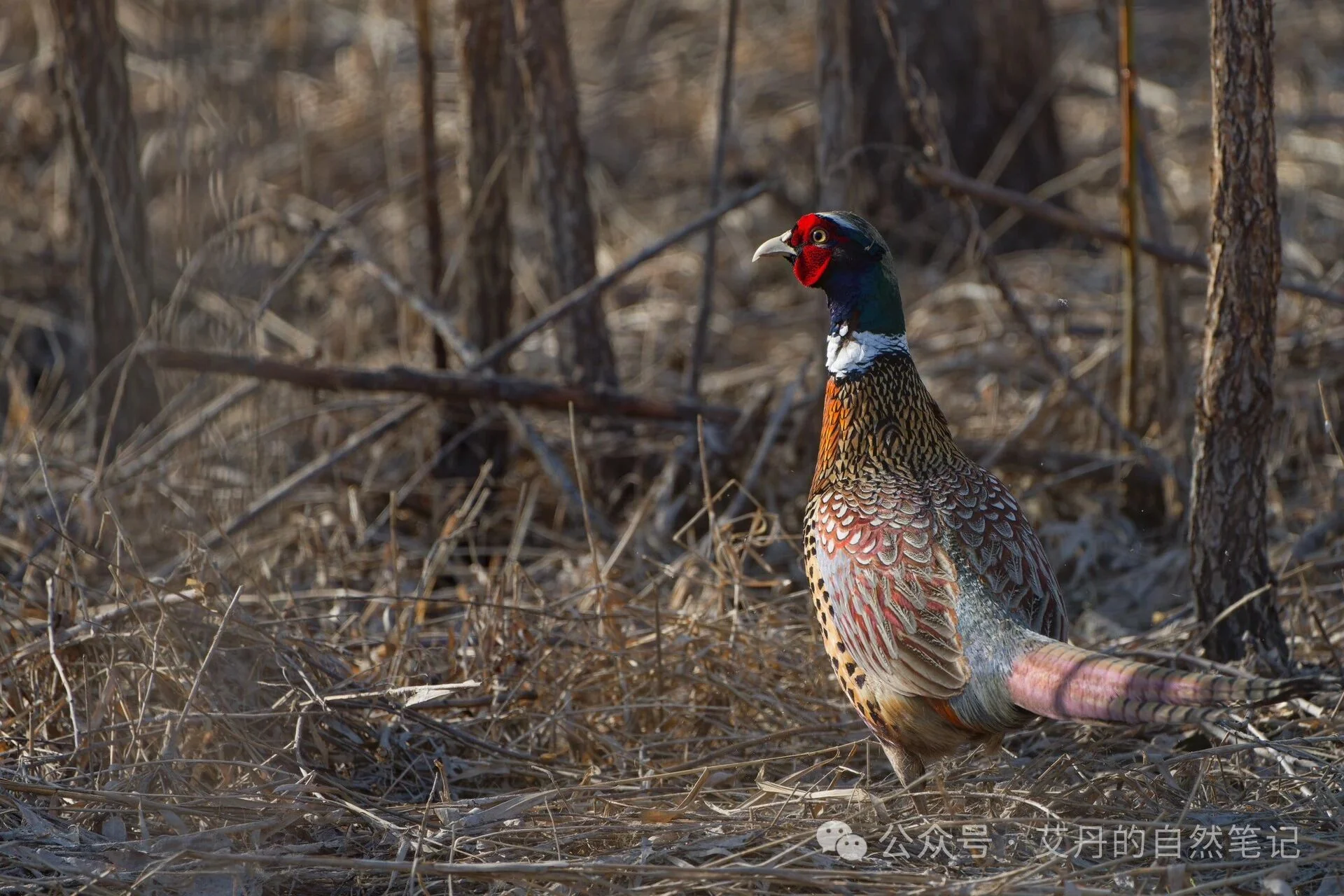
On the way to the fields, pheasants kept appearing in the fields and grass, five in all by the end of the day. Chinese Grey Shrikes were numerous too; every little while one stood on a mound or a wheat stalk, eyeing the fields for prey.
We wandered the farmland a long while without finding the cranes or the Oriental Plover. Eurasian Skylarks sang over the fields, and a flock of larks went up, but the heat shimmer was too strong and the distance too great to pin down which species; from color they should have been short-toed larks. I kept glancing at the sky, where goose flocks kept passing overhead, several hundred Taiga Bean Geese in all. Looking carefully, there should have been no Greater White-fronted Geese mixed in, though Swan Geese were numerous, and one Greylag Goose trailed behind the flock.
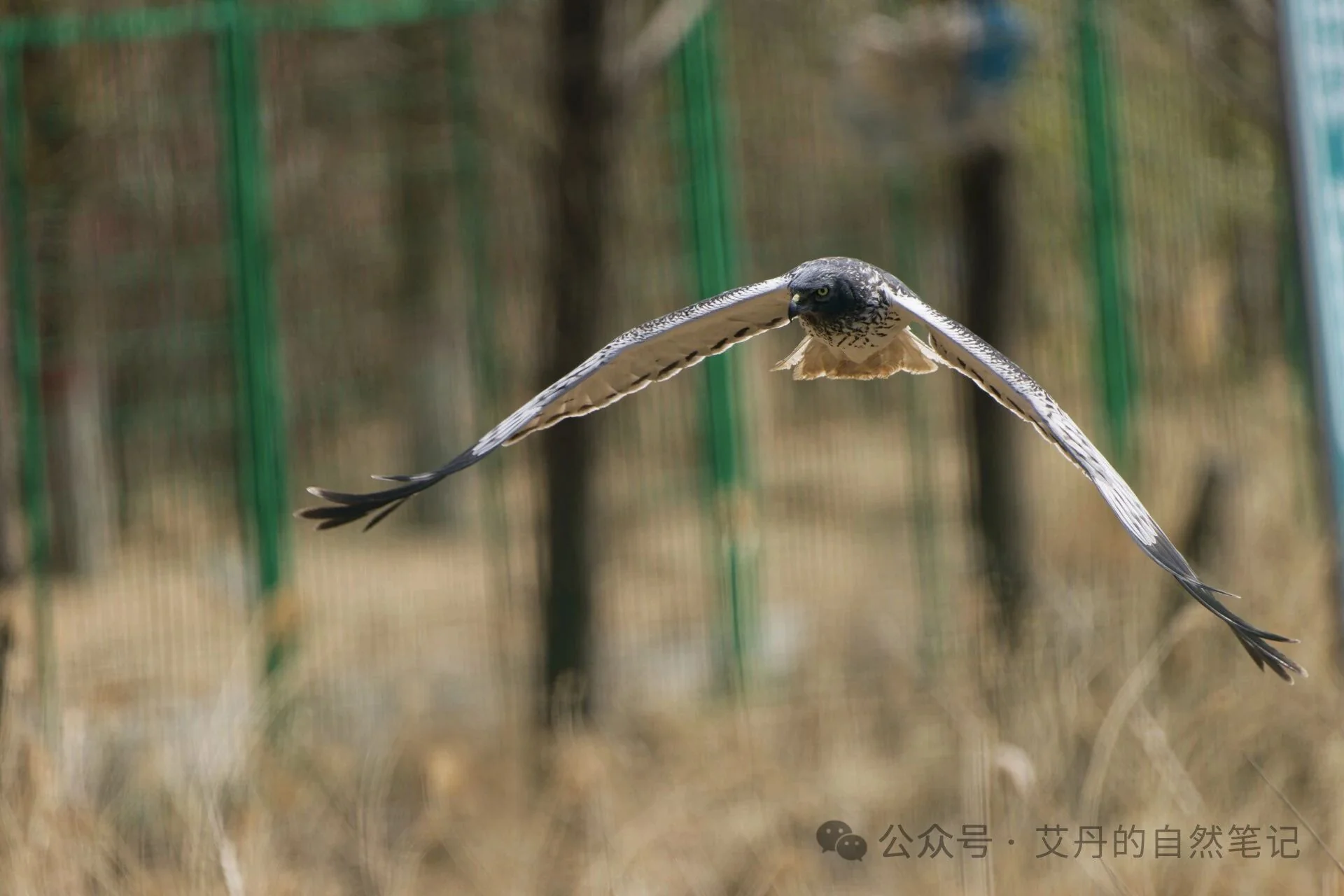
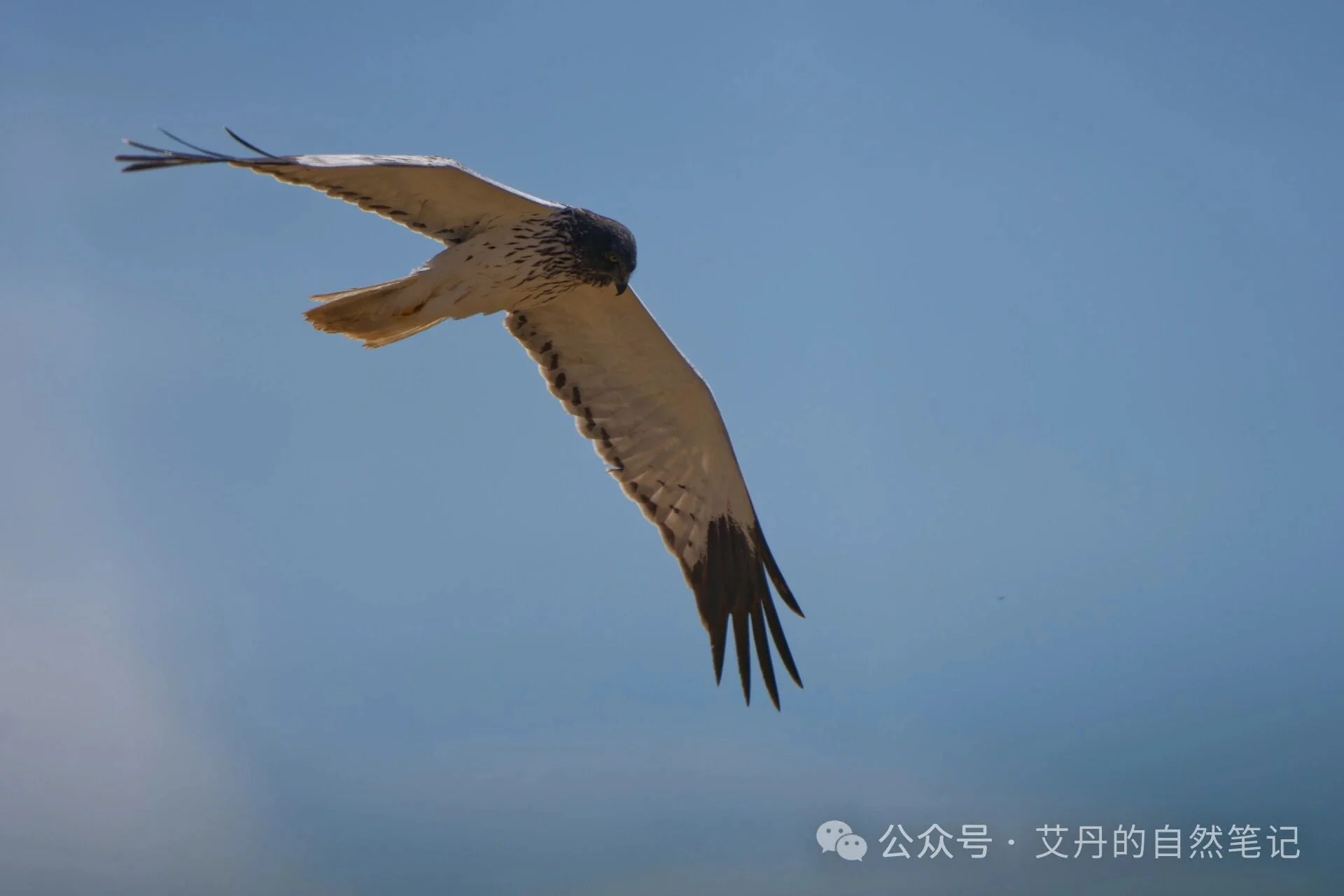
Finished with the farmland, we decided to look for shorebirds, then circle back to Shacheng. Near a stretch of reeds on the way, we came across several Eastern Marsh Harriers, and one especially handsome male flew right up to the car. Its plumage was very dark, different from the male we saw at Wild Duck Lake last week; this one should be a year older than that bird.
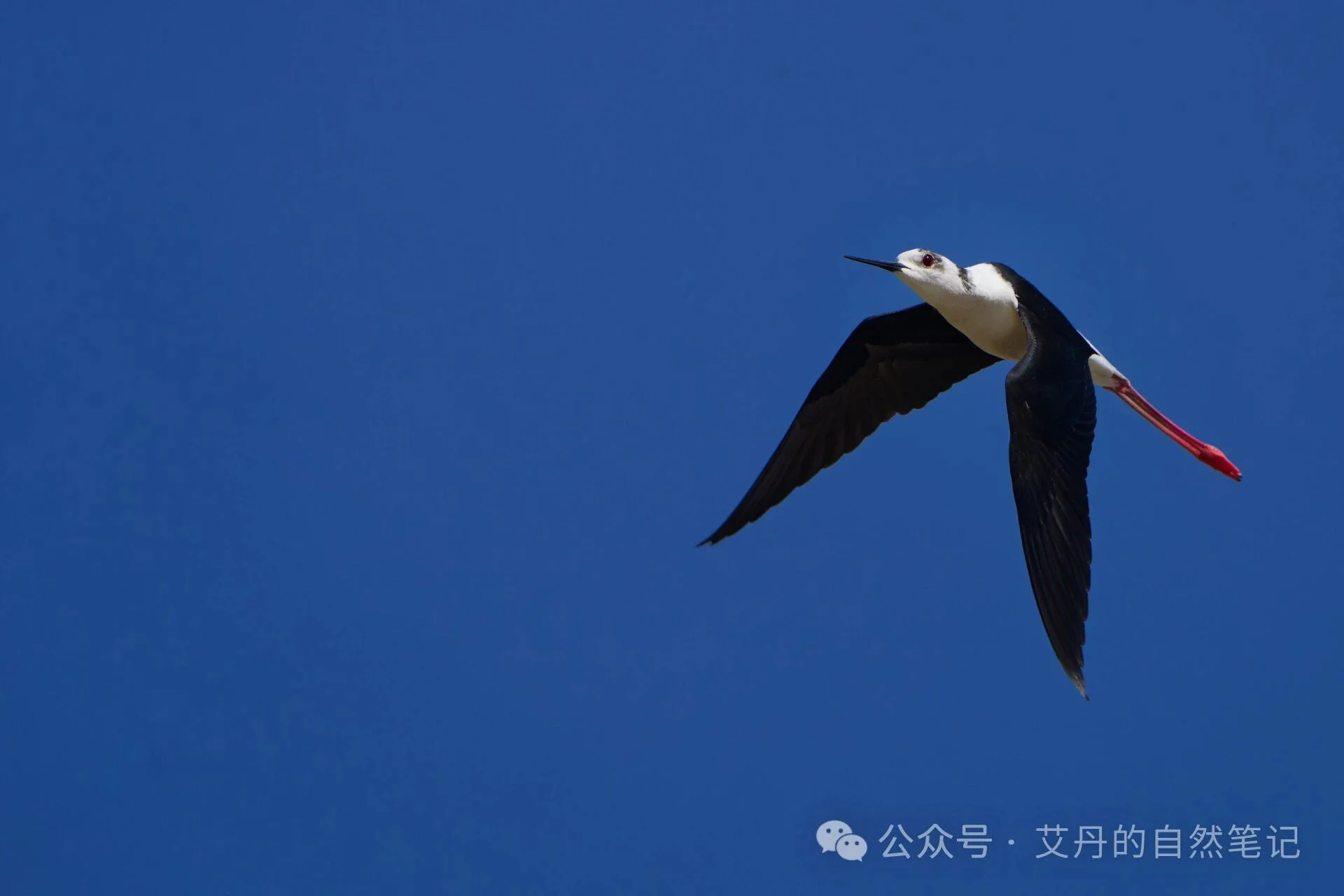
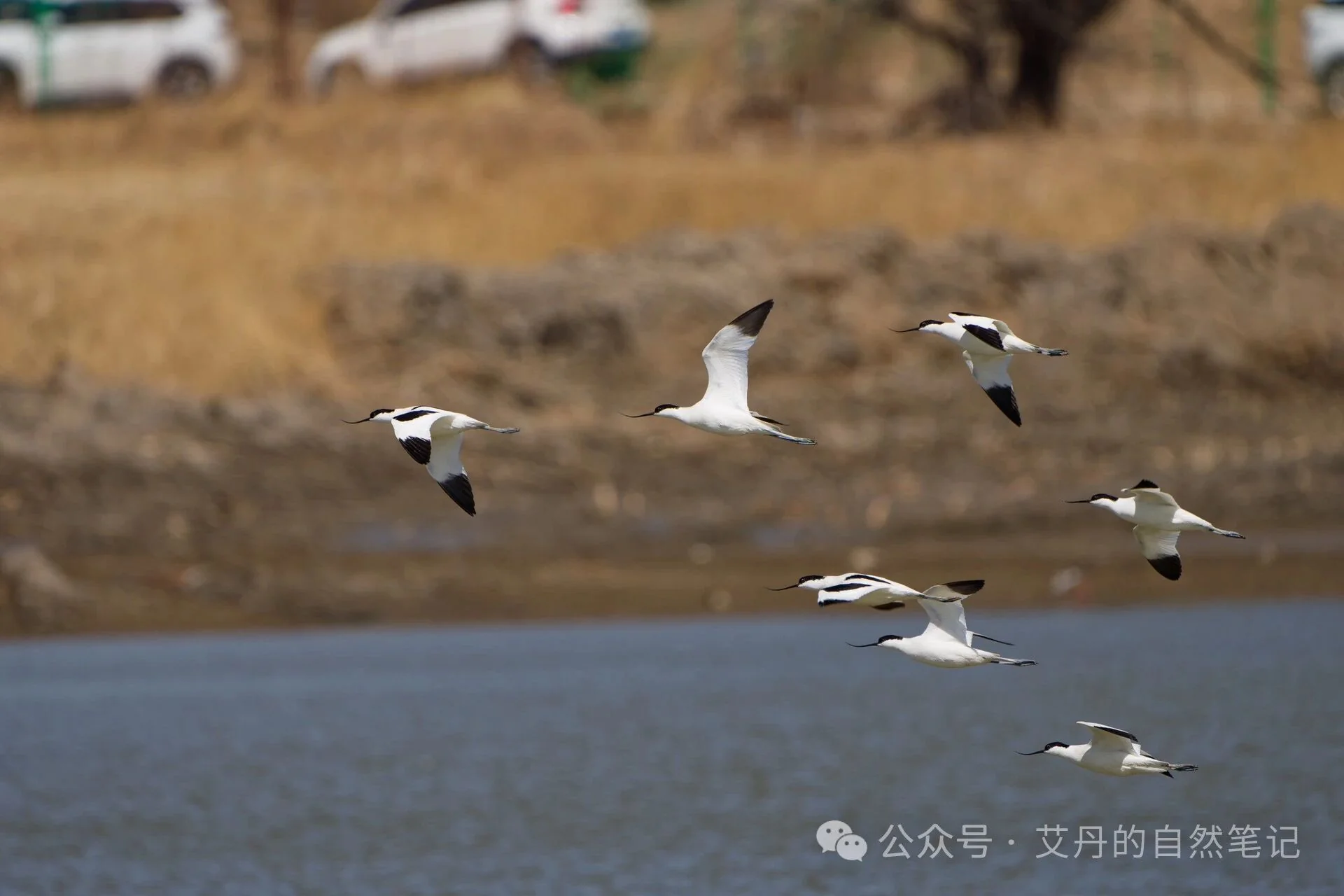
Chinese Penduline Tits were working the reeds; their nesting season is almost here, I wonder if they were gathering nest material. Before long, another low sound rose from the reeds: the booming call of an Eurasian Bittern. Then we reached the big fish ponds where the shorebirds were, and there really were birds everywhere. The shorebirds included Little Ringed Plovers, Kentish Plovers, Temminck's Stints, Black-winged Stilts, great numbers of Pied Avocets, and four Spotted Redshanks mixed in.
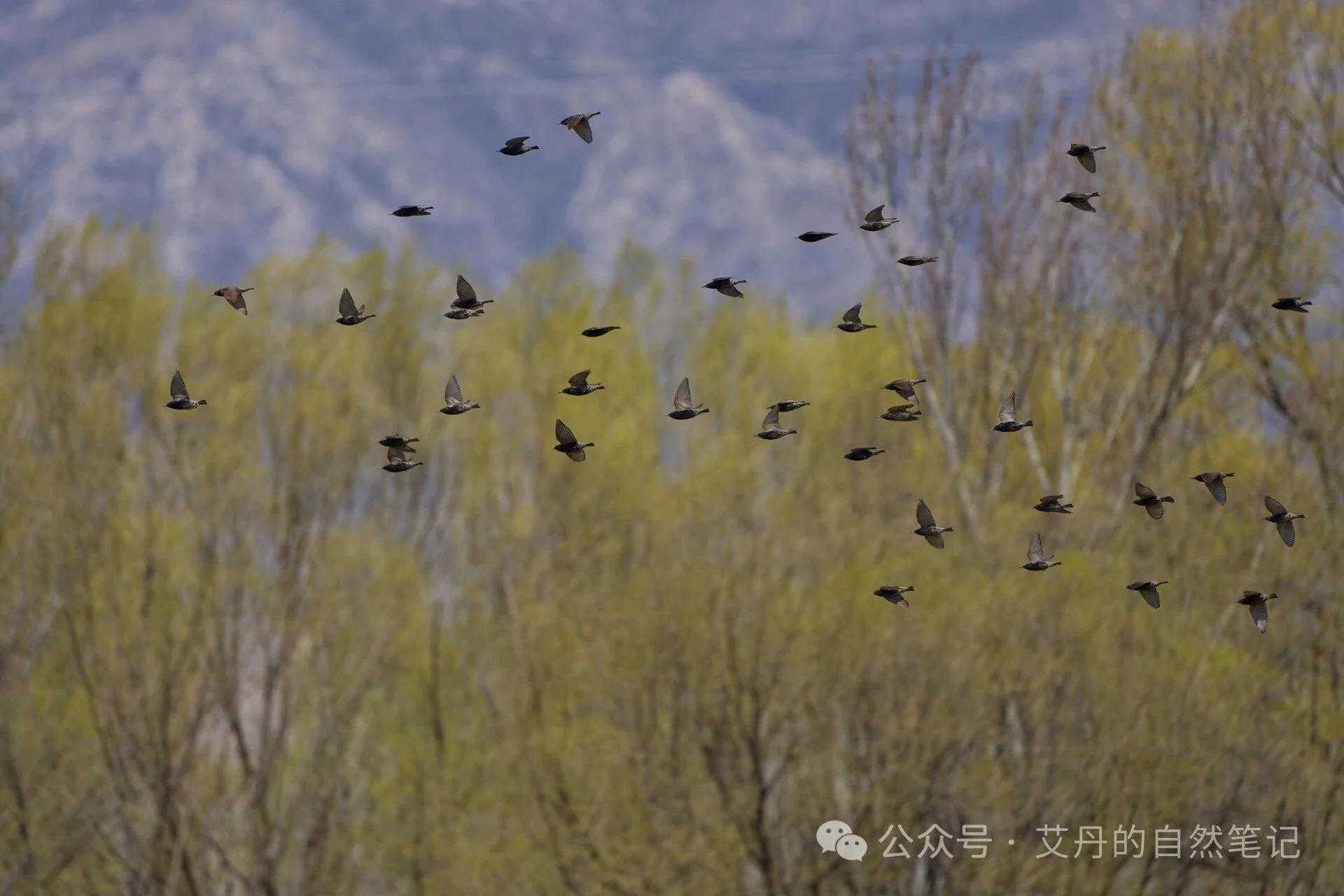
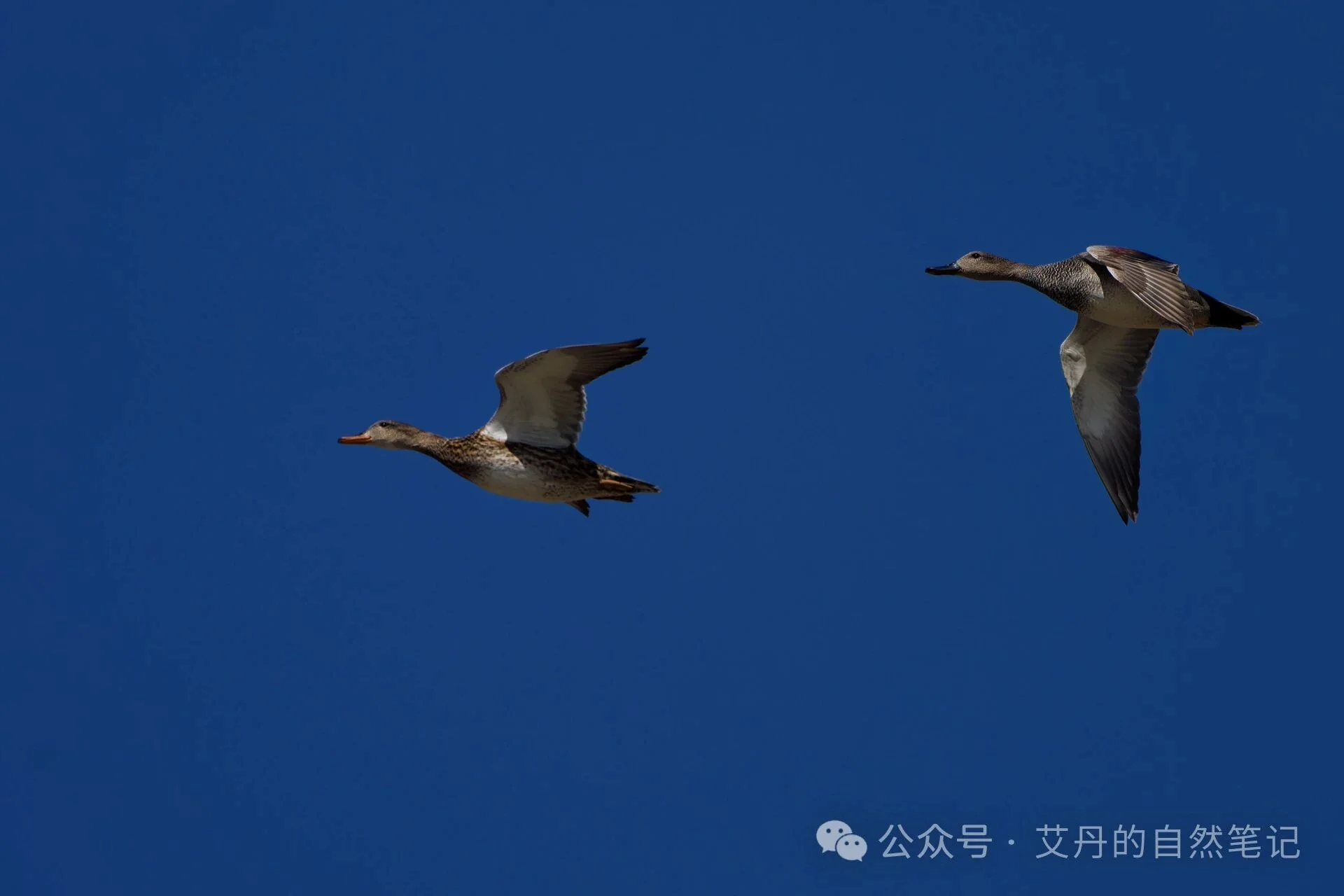
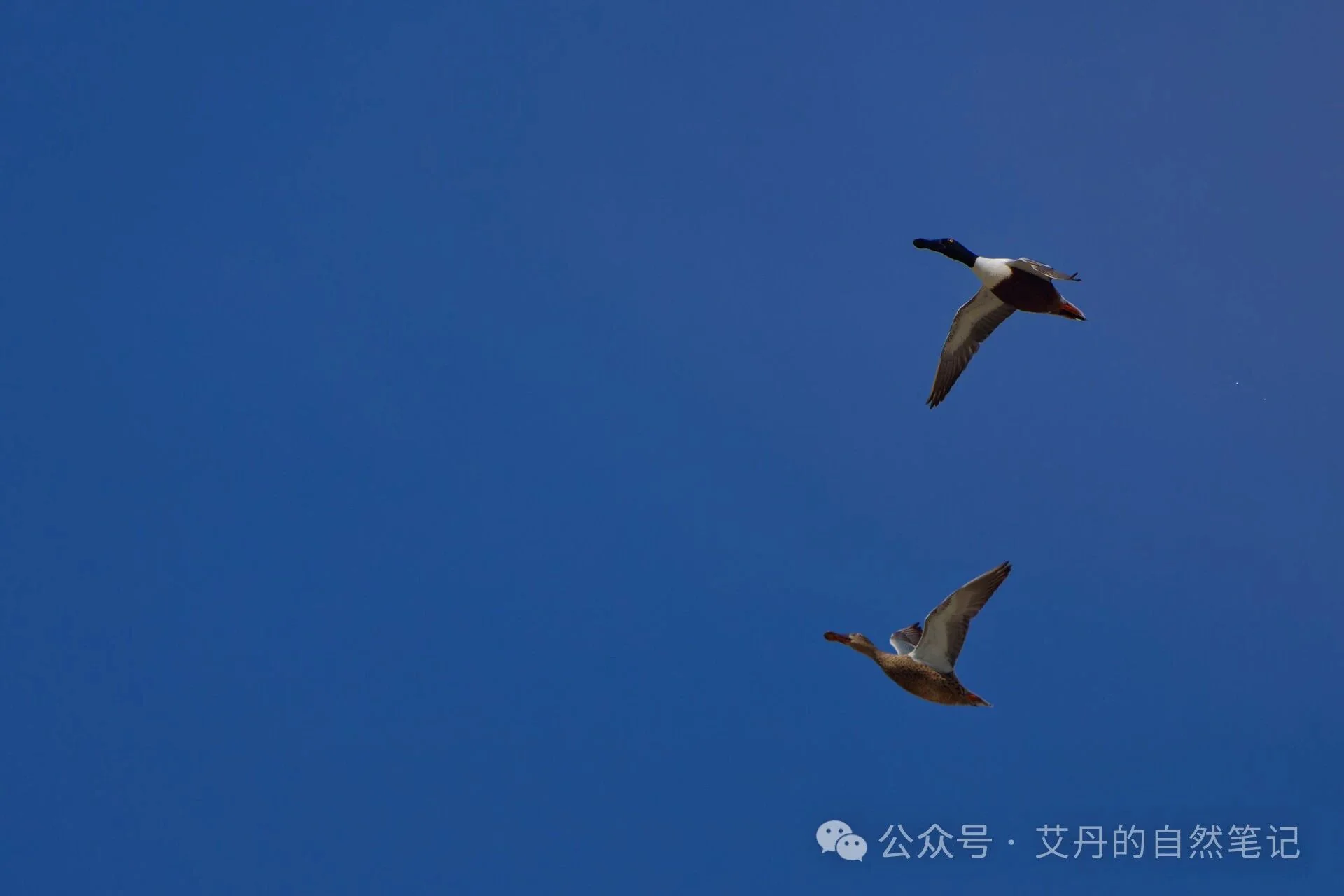
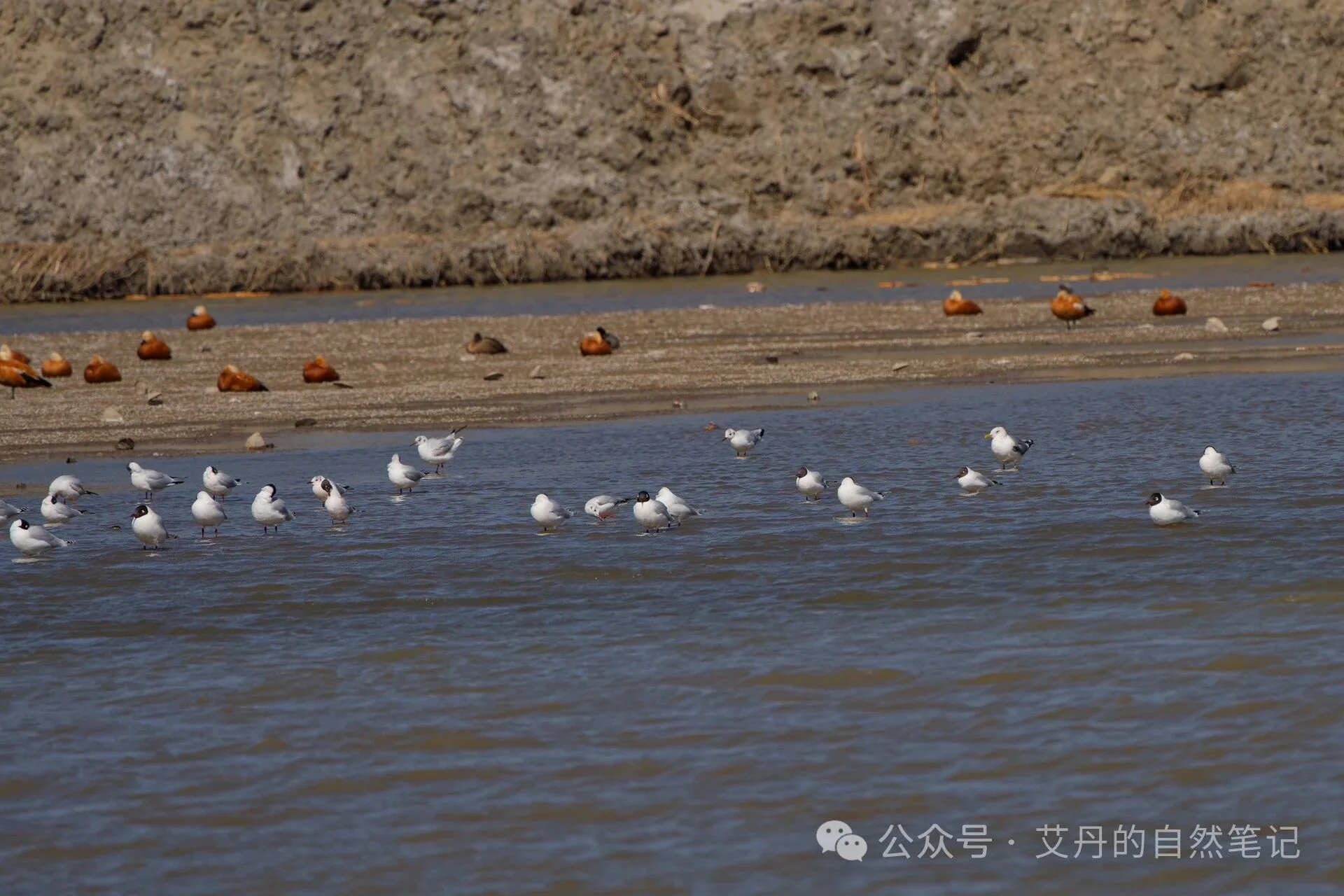
A group of Common Starlings swept over the ponds, probably heading for some mudflat to feed. We checked several more ponds; one held hundreds of ducks: Northern Pintails, Gadwalls, Green-winged Teals, Northern Shovelers, Common Shelducks, Ruddy Shelducks, and a large flock of Swan Geese.
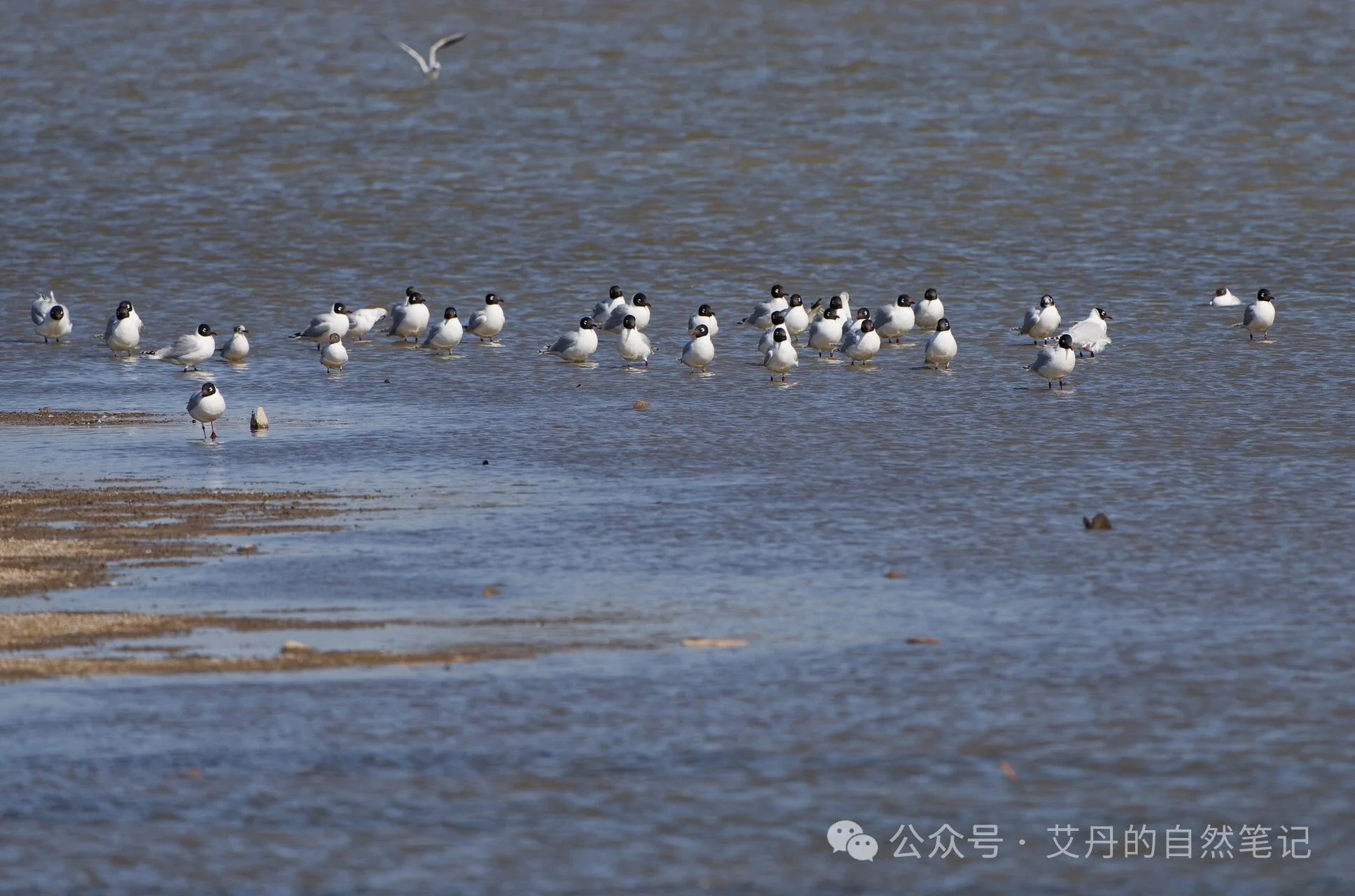
The next pond over was mainly gulls, with big flocks of Relict Gulls and Black-headed Gulls, plus one Common Gull and a few Siberian Gulls mixed in. We ate lunch near their pond, watching them as we ate. Most of the gulls slept, some bathed, and a few Relict Gulls paddled about, presumably foraging.
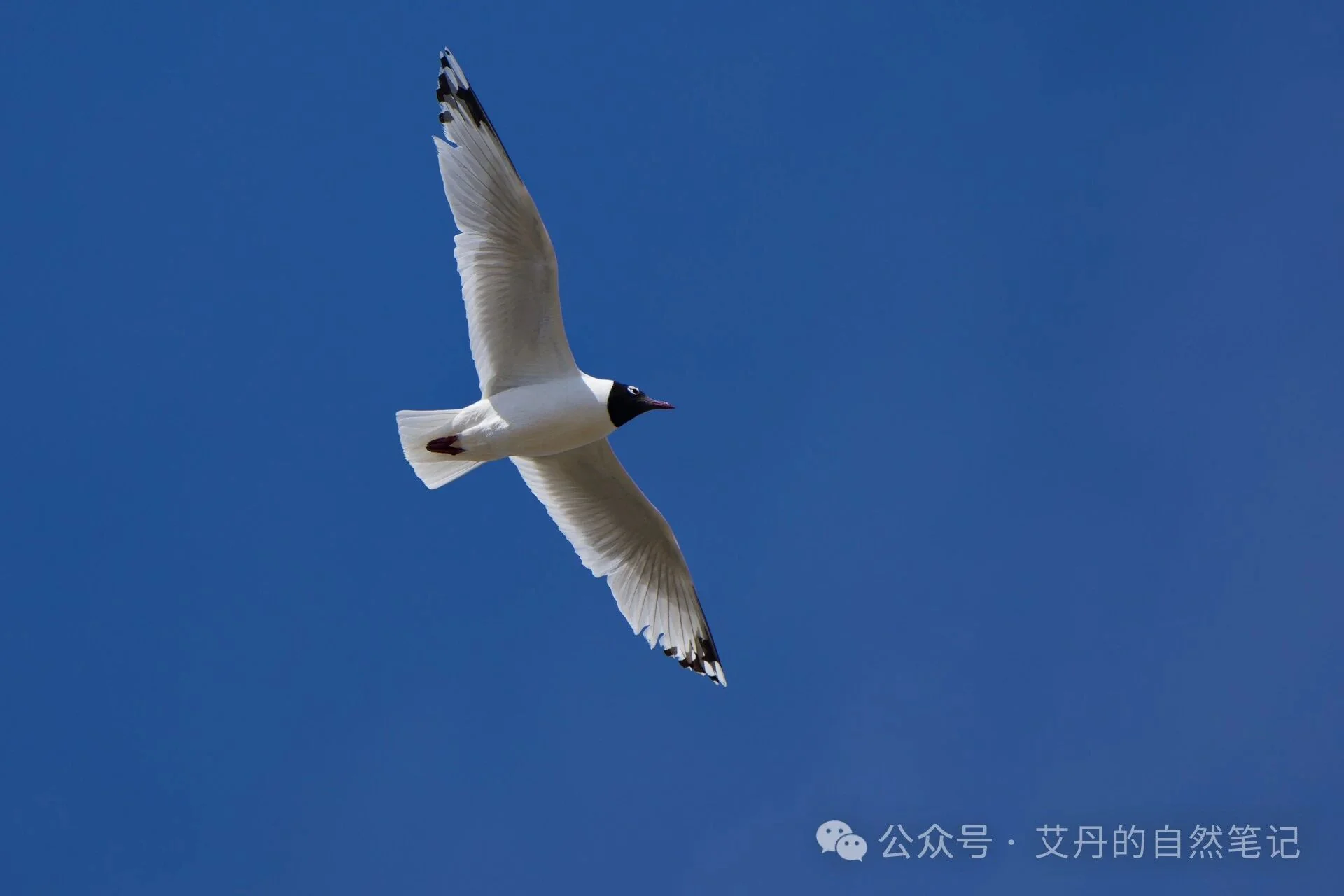
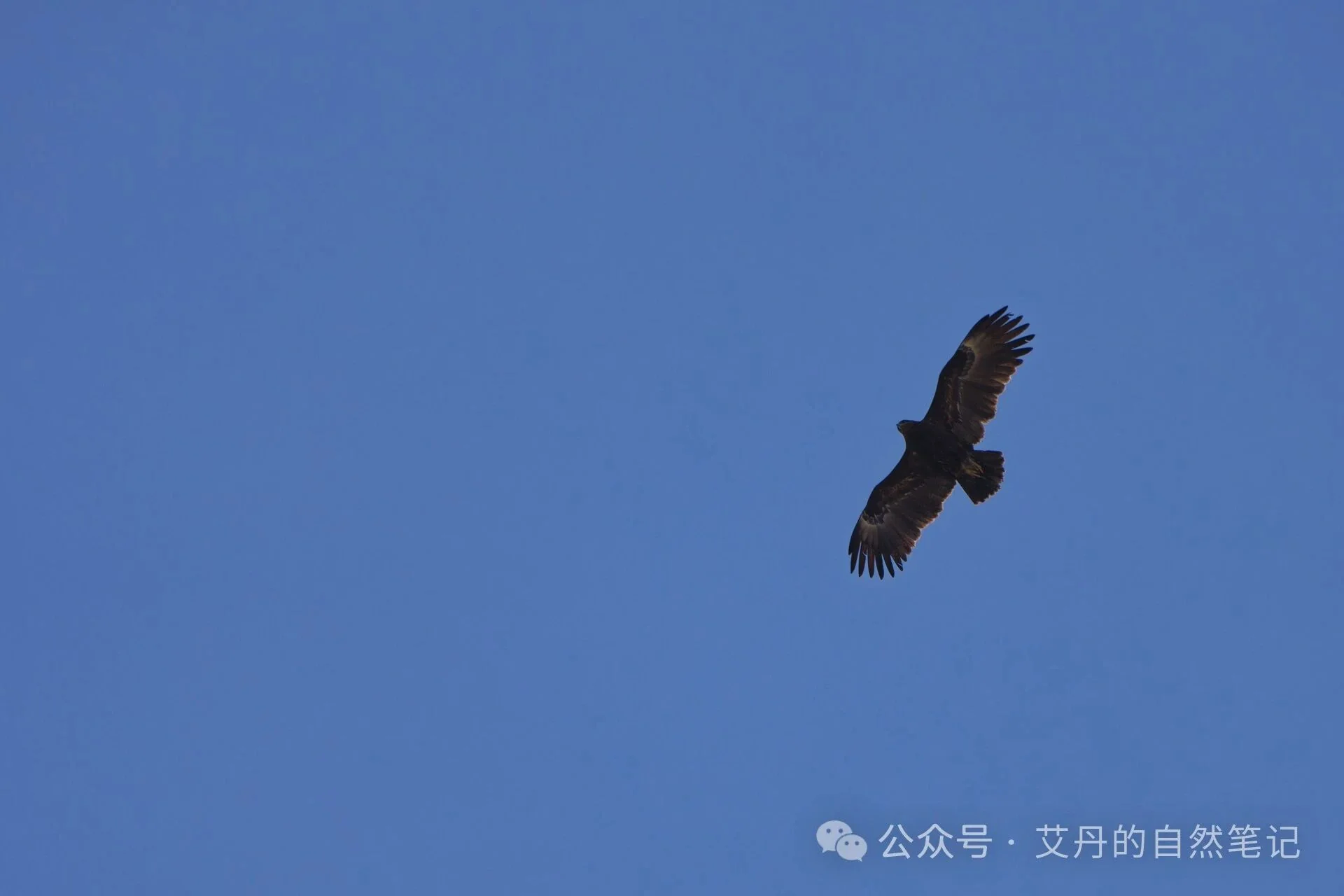
Noon is prime eagle-passage time, and sure enough, just after lunch I looked up and found a Greater Spotted Eagle circling. It flew fairly low; this was the closest I had ever seen one. After watching the area a while more, I felt we had covered everywhere reachable today. I wanted to check the Sangyuan farmland for Oriental Plovers, but cars were barred, the place fenced off for construction, and entry was on foot only.
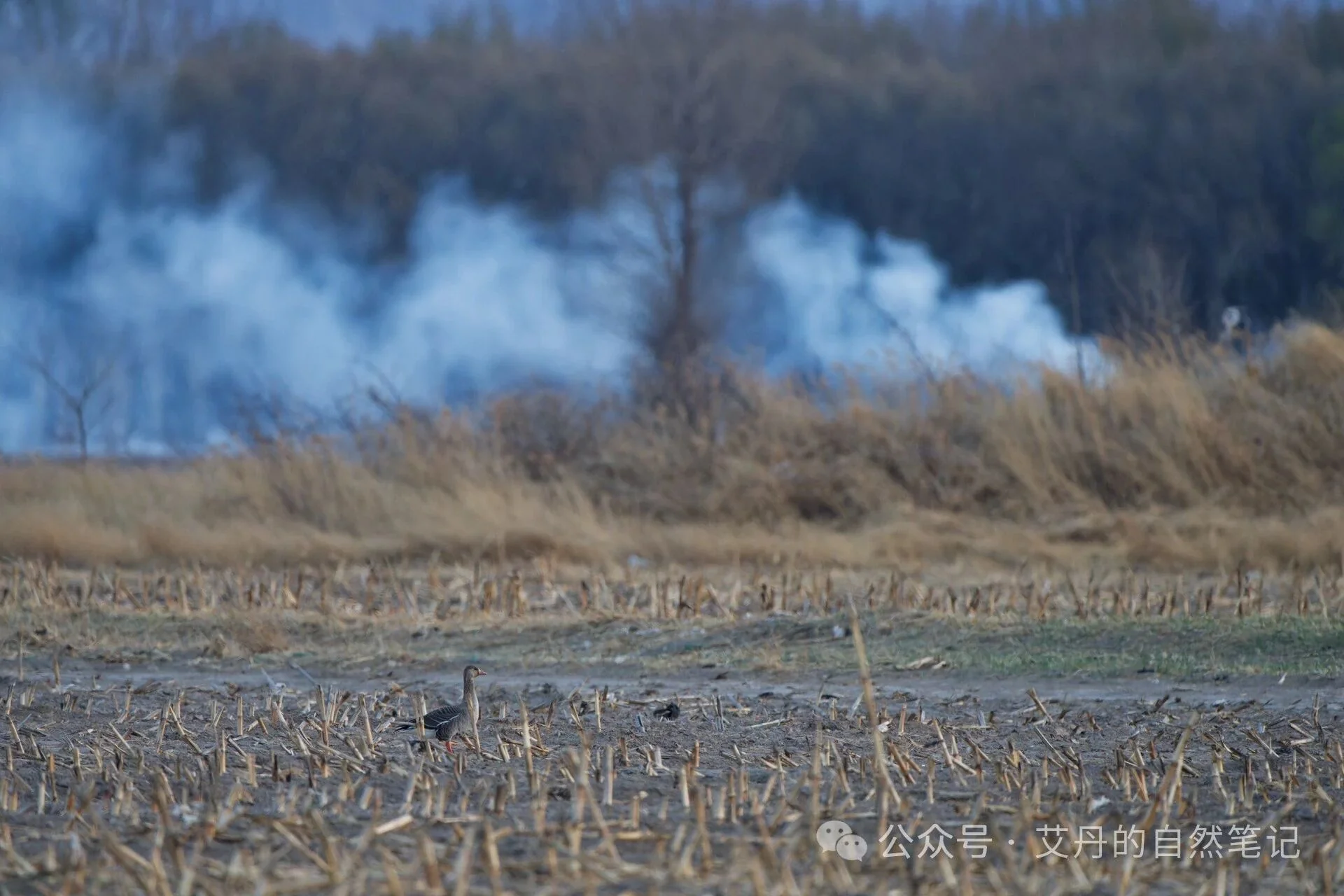
Just as we were wondering where to spend the time before sunset, news came in: the Oriental Plover had been seen at the horse ranch this very morning. My regret was beyond words. The original plan had been to look at the ranch first and then go to Shacheng, but we had changed it, and the Oriental Plover had of course been at the ranch. With a bit more than an hour until sunset we made straight for the ranch, hoping the plovers were still there. By the time we arrived the sun was already sinking. Using the last of its light, we swept the only two unflooded patches of field left at the ranch, and besides a single Greater White-fronted Goose there was nothing. Another year, another miss. Would I have to wait until next autumn to see one? I stood there thinking it, in the desolate ranch, the sky darkening, thick smoke from burning wheat stalks ahead of me and a bright moon overhead. Everything today had been good, everything except the Oriental Plover, and I would have traded all 81 species I saw today for one Oriental Plover. Whether this year holds another chance I don't know, since a stretch of exams begins in a week. If this spring doesn't work out, I hope to find it this time next year.

Comments