The weekend again, and this week's list of schoolwork kept growing, what with the Meadow Pipits, Lesser White-fronted Geese, and Scaly-sided Mergansers that had turned up. But I still had the Oriental Plover on my mind. Even with gales forecast, I wanted to gamble on my luck at the horse ranch.
We arrived a little after seven. The gamble didn't pay off: the wind was far stronger than I'd imagined, blowing my eyes shut and the tears streaming, and the temperature was so low it felt colder than winter.
Shivering, tears flying, I swept the far water with the scope and found a big gathering of diving ducks: Tufted Ducks, Red-crested Pochards, Common Pochards, Ferruginous Ducks, and two Baer's Pochards among them. A true pochard convention.
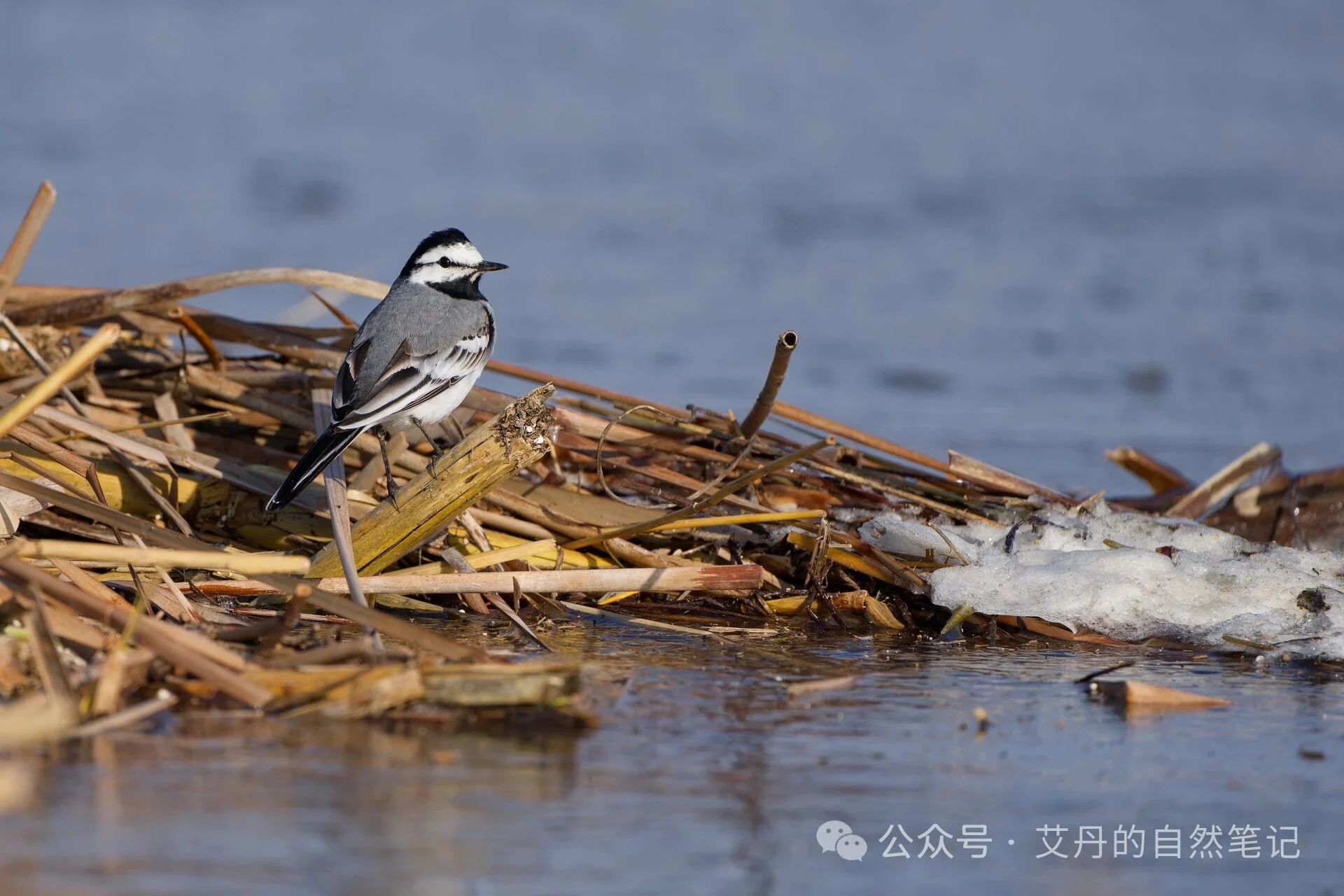
On a nearby shore, a lone Little Ringed Plover and a few White Wagtails were feeding.
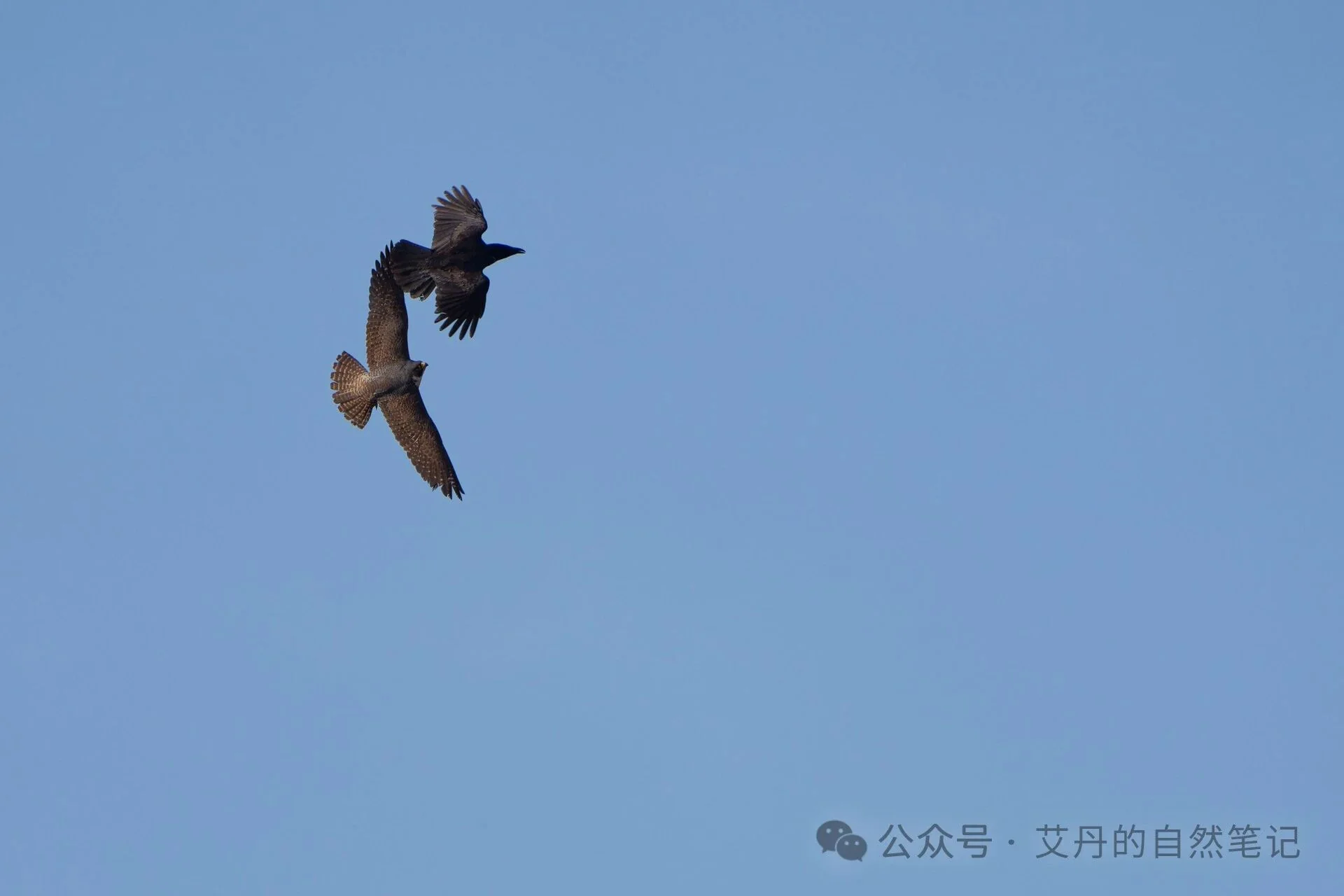
The gale tumbled two tangled dark shapes past us; looking up, it was a Peregrine Falcon chasing a crow in aerial combat. Even the usually swaggering "gangster" crows, it seems, aren't so formidable when caught alone.
We swept the ranch fields carefully, nearly out of tears, but apart from the skylarks there was nothing to be found. We couldn't take any more, and decided to leave the horse ranch for Wild Duck Lake.
It had been a long time since my last visit to Wild Duck Lake, and the place felt especially dear. The habitat there is as good as ever. The ducks weren't on the biggest lake this time; they were mostly in smaller ponds among the reeds. The wind there was gentler, and at last I stopped weeping.
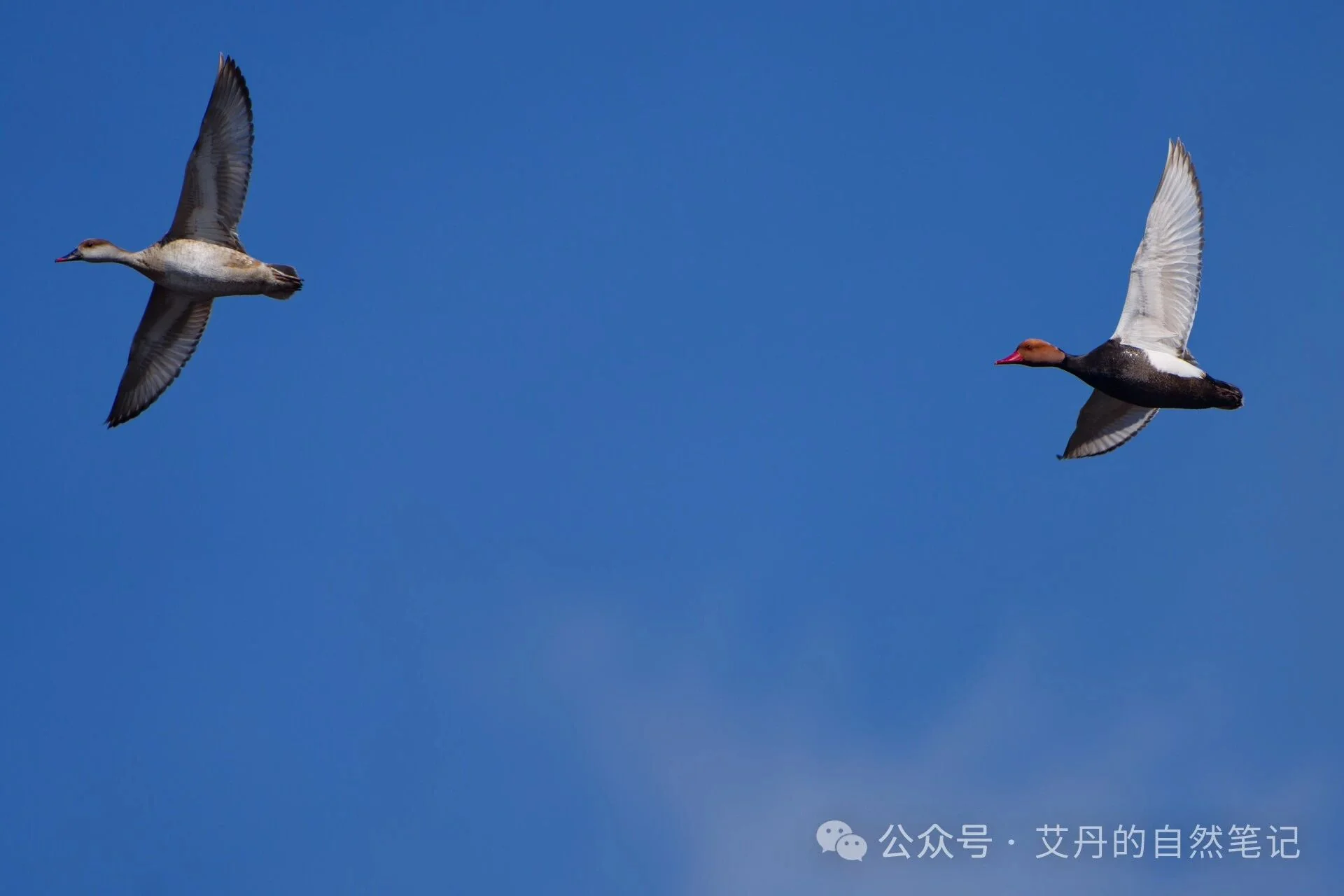
Besides crowds of Mallards and Green-winged Teals, there was a group of Falcated Ducks with a pair of Eurasian Wigeons and a few Smews mixed in. When the duck flock went up, it also revealed a small group of Red-crested Pochards.
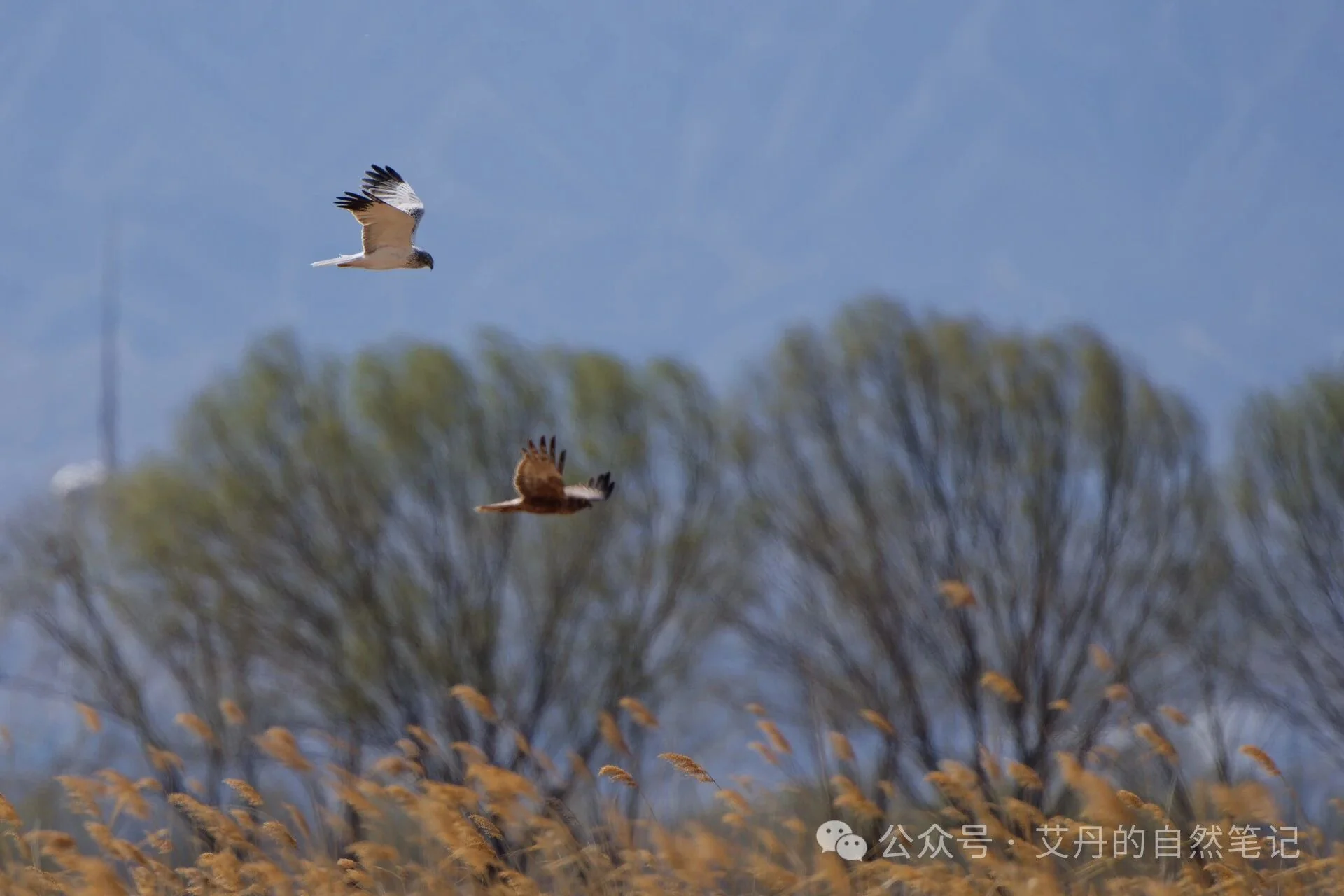
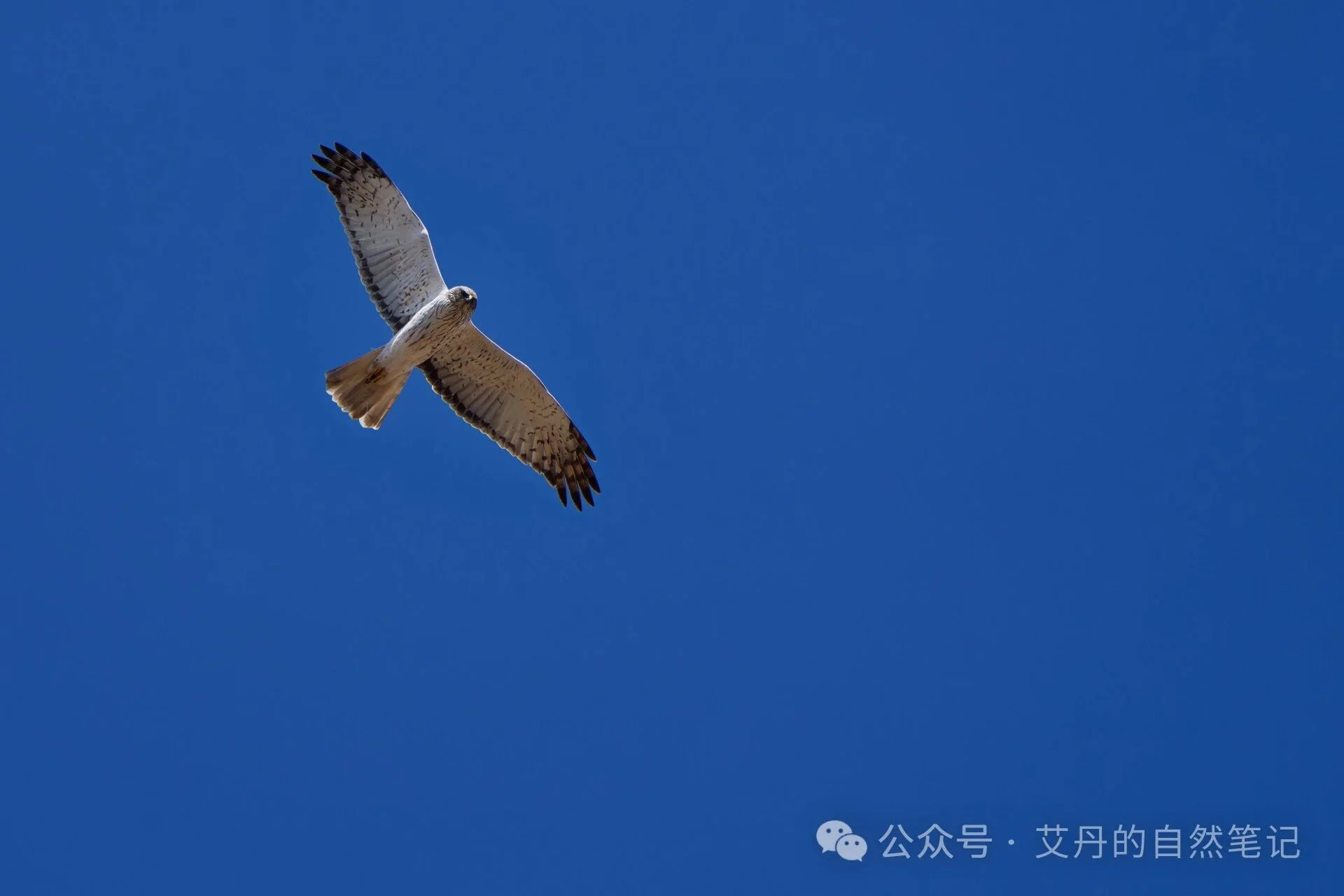
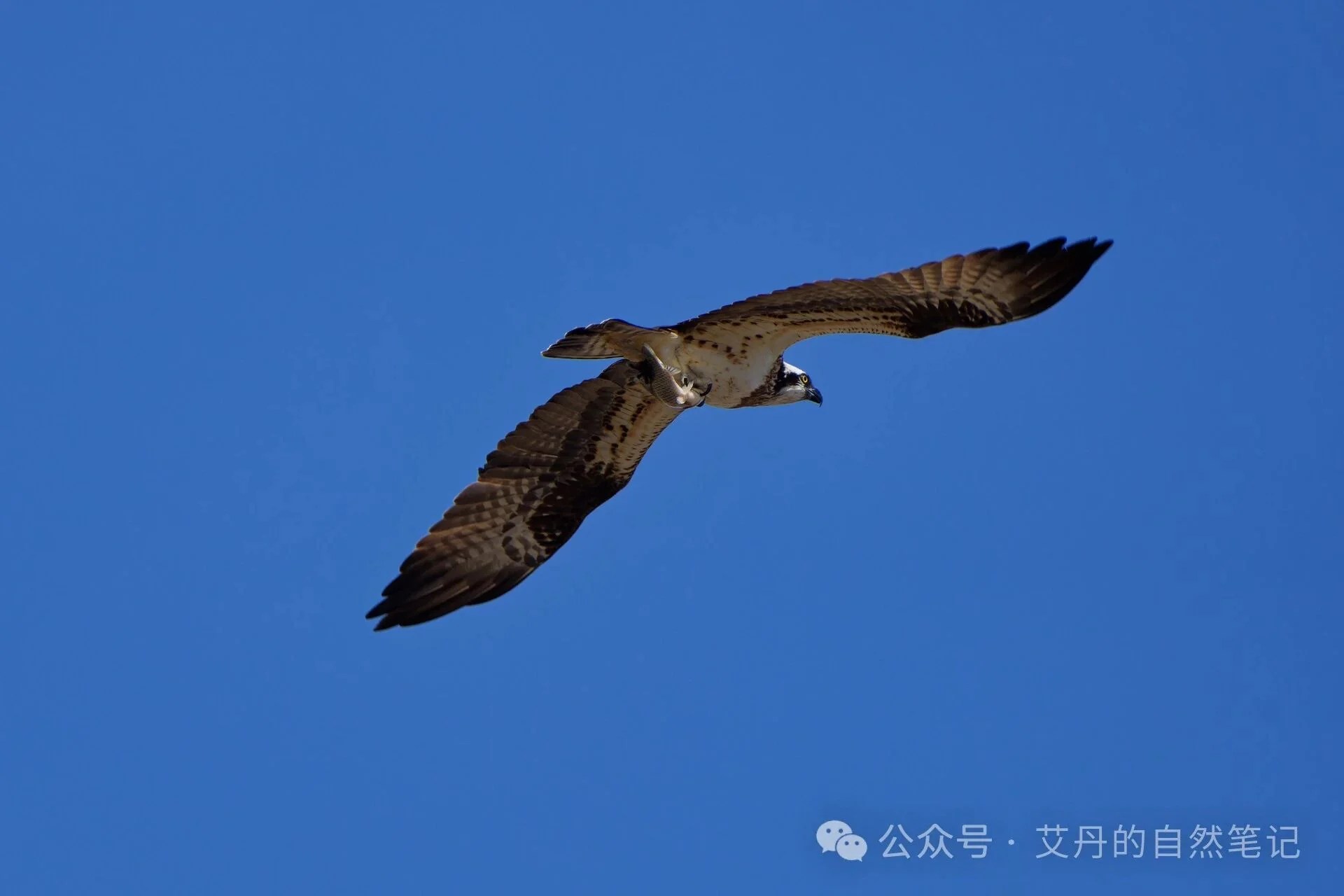
Several raptors were in the sky: a Black Kite flew in the distance, and three Eastern Marsh Harriers patrolled the reed beds, searching reed patch by reed patch for food. An Osprey passed overhead, actually carrying a fish, looking for somewhere to enjoy its meal, presumably.
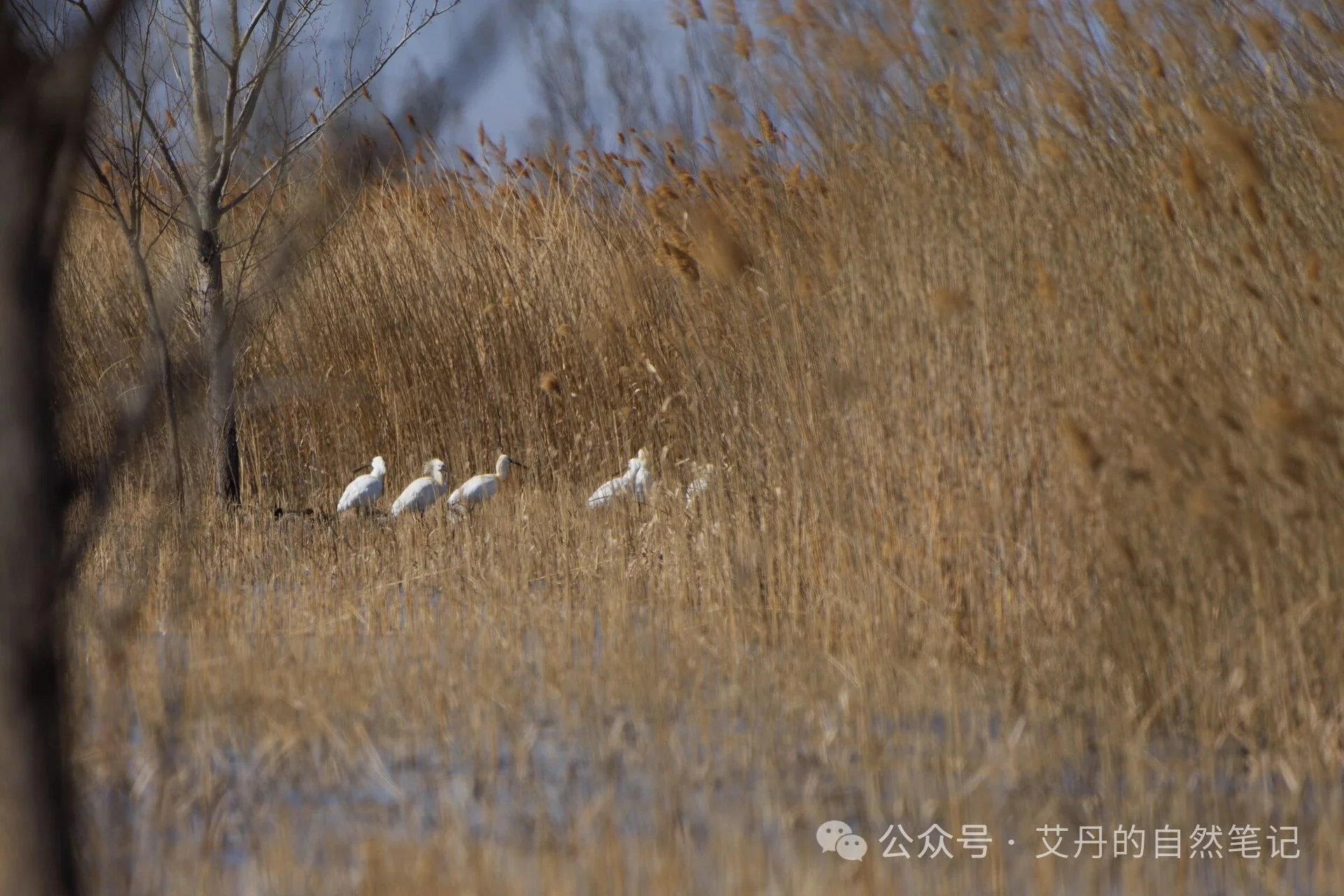
A few Eurasian Spoonbills rested in the reeds, and listening closely I could hear the low booming of an Eurasian Bittern carrying through the gale, while a small group of Chinese Penduline Tits worked the reeds not far from us.
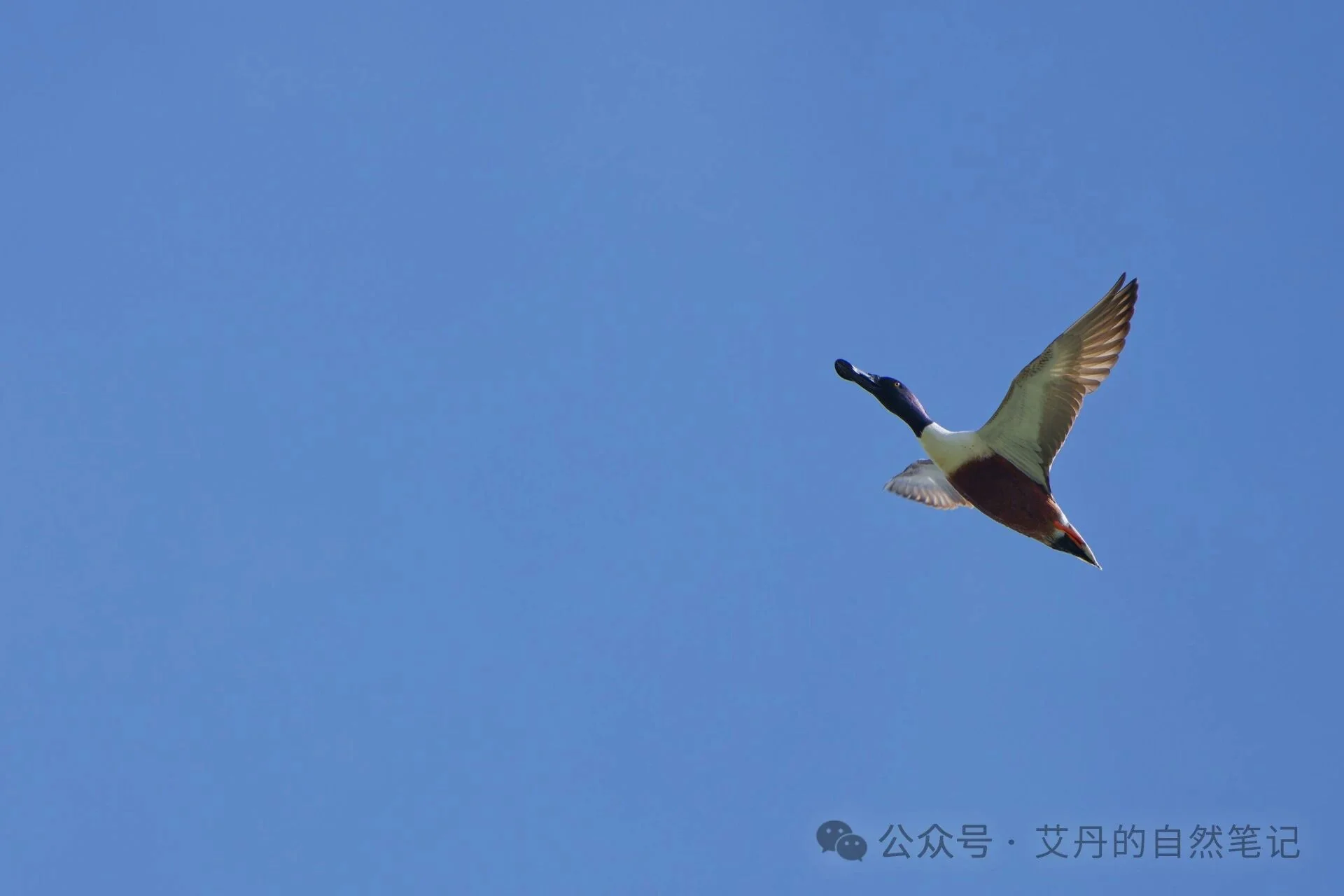
For some reason the ducks all went up at once, and a Common Goldeneye and a Northern Shoveler flew past. There were plenty of birds here, but nothing surprising. I hoped to dig out a Meadow Pipit, yet I never saw a single pipit of any kind.
We came around to the side bordering Kangxi Grassland, where the wind grew again, with no reeds to block it, and my tears started up all over again. Kangxi Grassland was almost entirely flooded; nothing but water, with no mudflat or grassy shoal left at all. The forecast promised even stronger wind to come, so we beat a retreat. Perhaps this spring and I were simply not meant to meet the Oriental Plover.
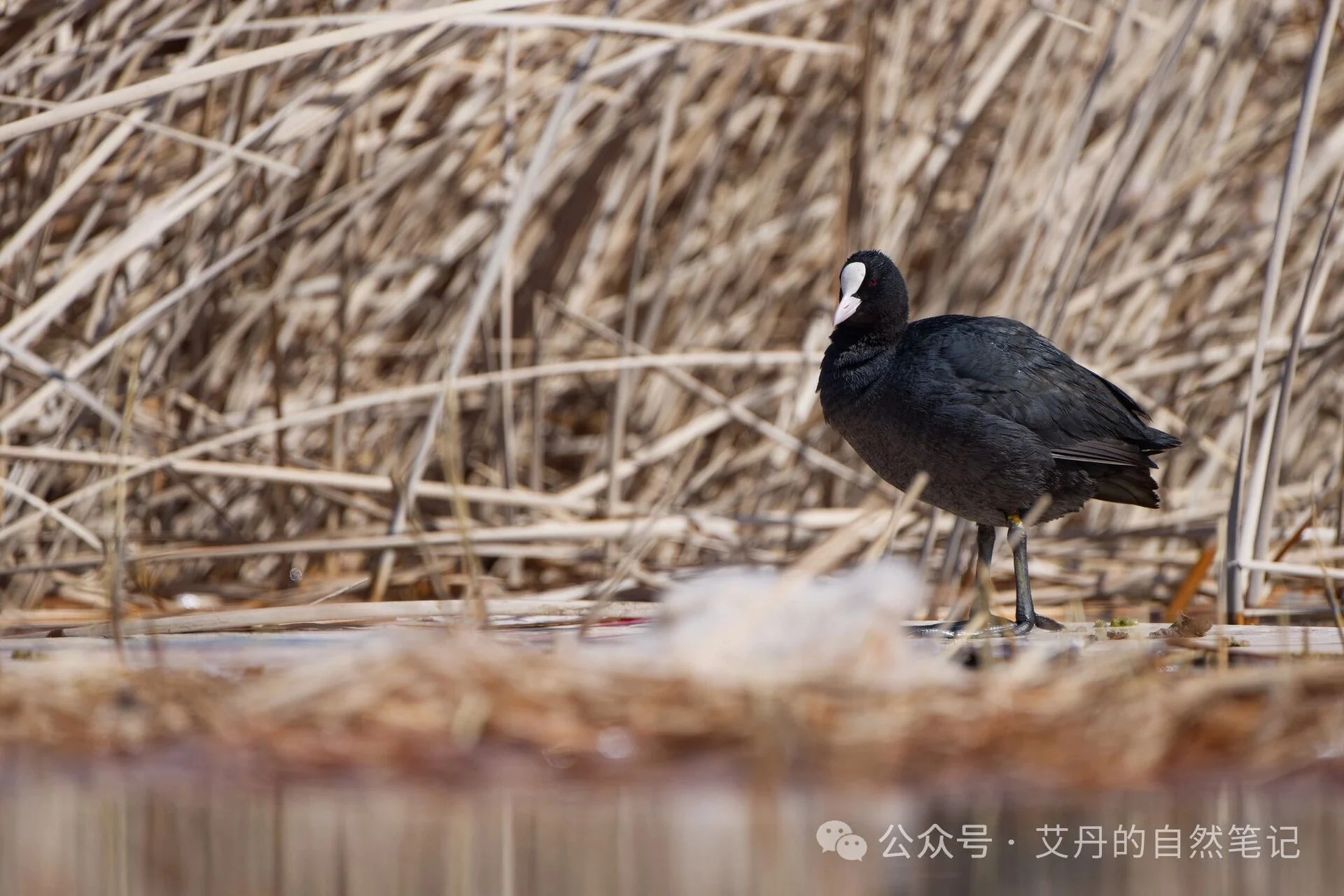
On the way out I watched an Eurasian Coot preening; for some reason this particular coot struck me as especially beautiful.
Comments