We set off in the dark for the Sichuan Partridge hide, with the calls of Asian Barred Owlets outside the window. The partridges had been calling from the bamboo grove the whole time, and before long one stepped out. The Sichuan Partridge is strikingly colorful overall; to my eye it is the most beautiful partridge I have ever seen. Coming out with it was a Chinese Bamboo Partridge, my first ever, having only ever heard their calls before.
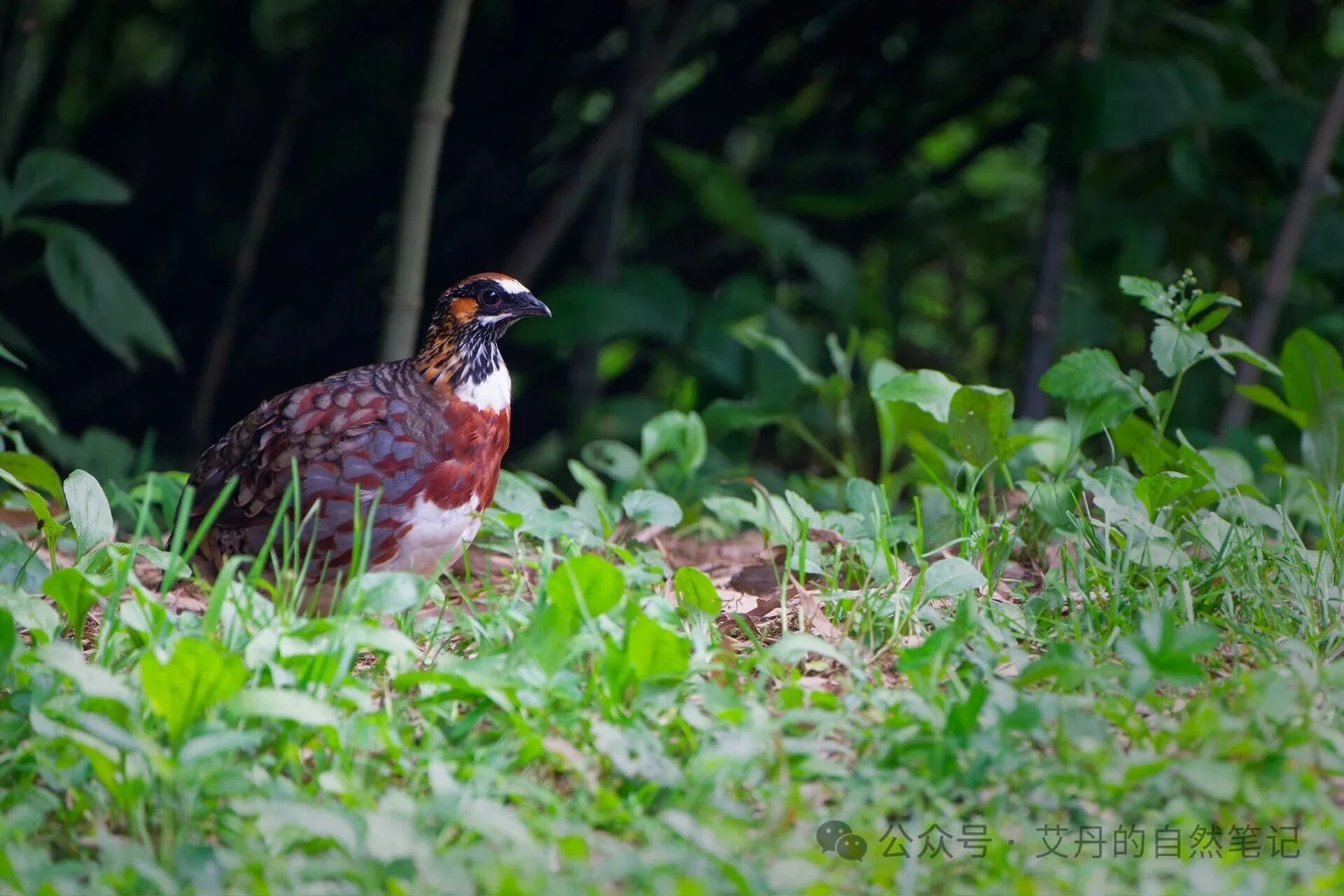
After the partridges finished eating and returned to the bamboo, a long silence followed, broken only by a few calls from inside the grove. Then a flock of Silver Pheasants broke the quiet, and as soon as they had left the hide, a group of Sichuan Partridges walked in from the bamboo. They fed with their signature partridge-style scratching, raking the soil open with their feet.
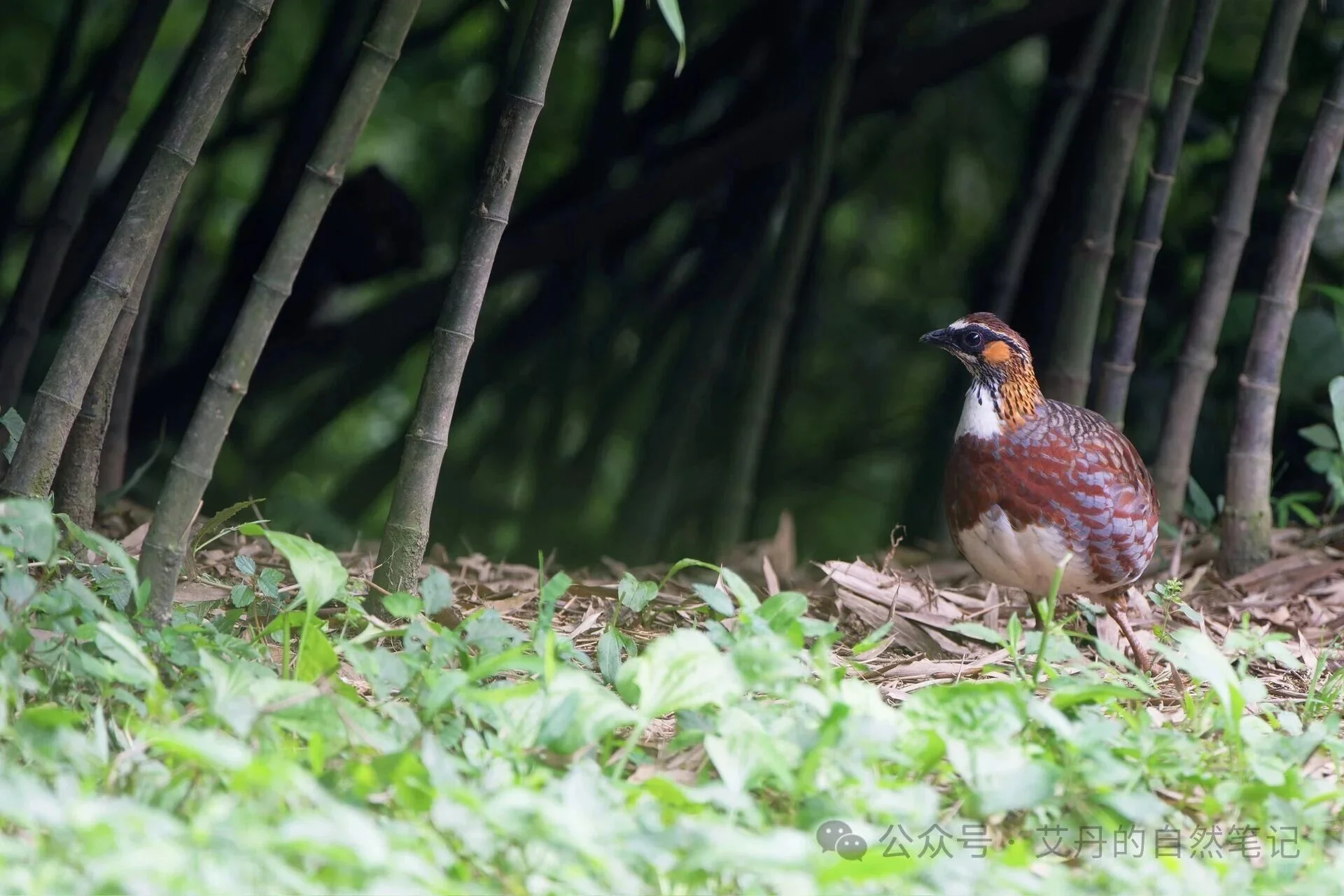
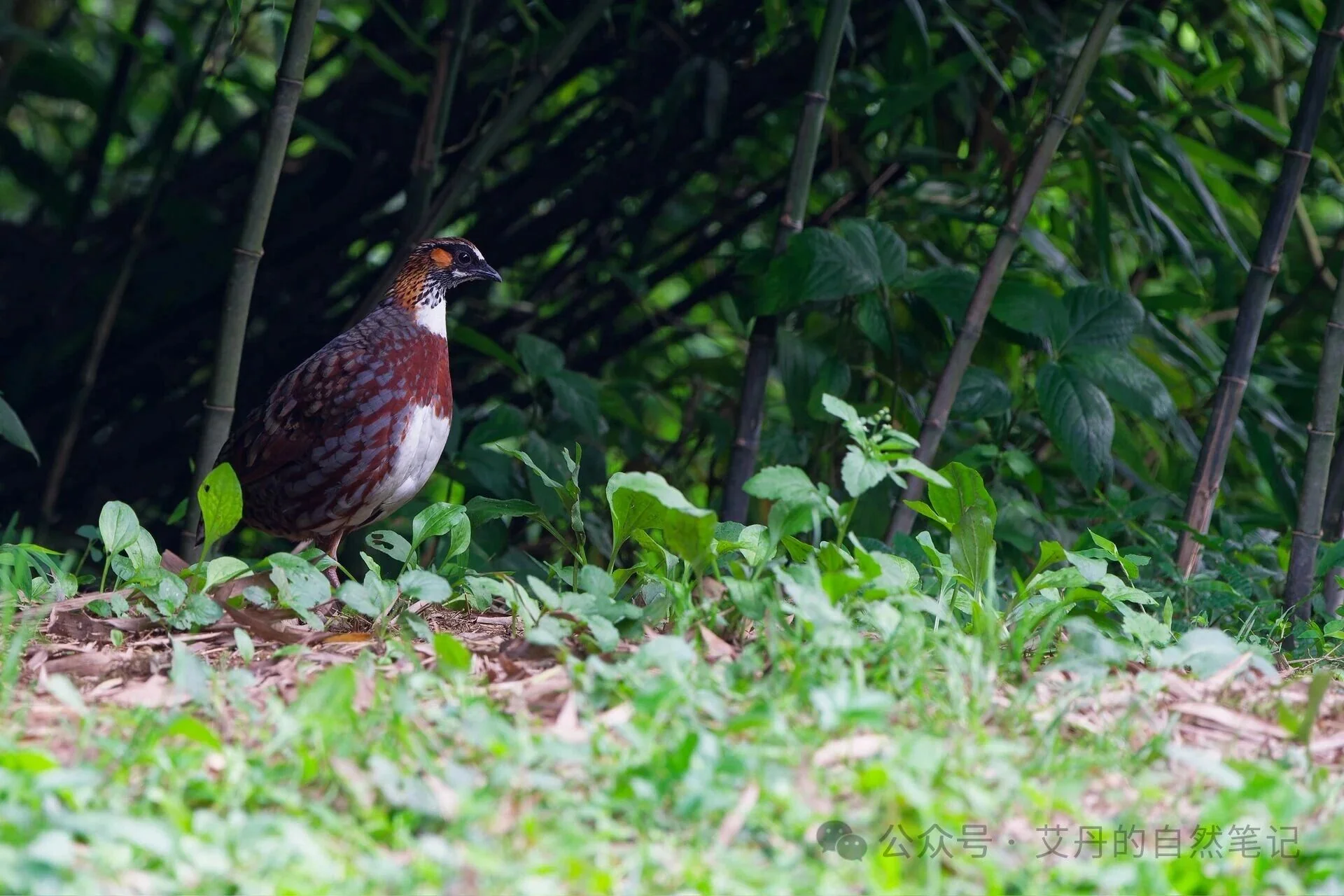
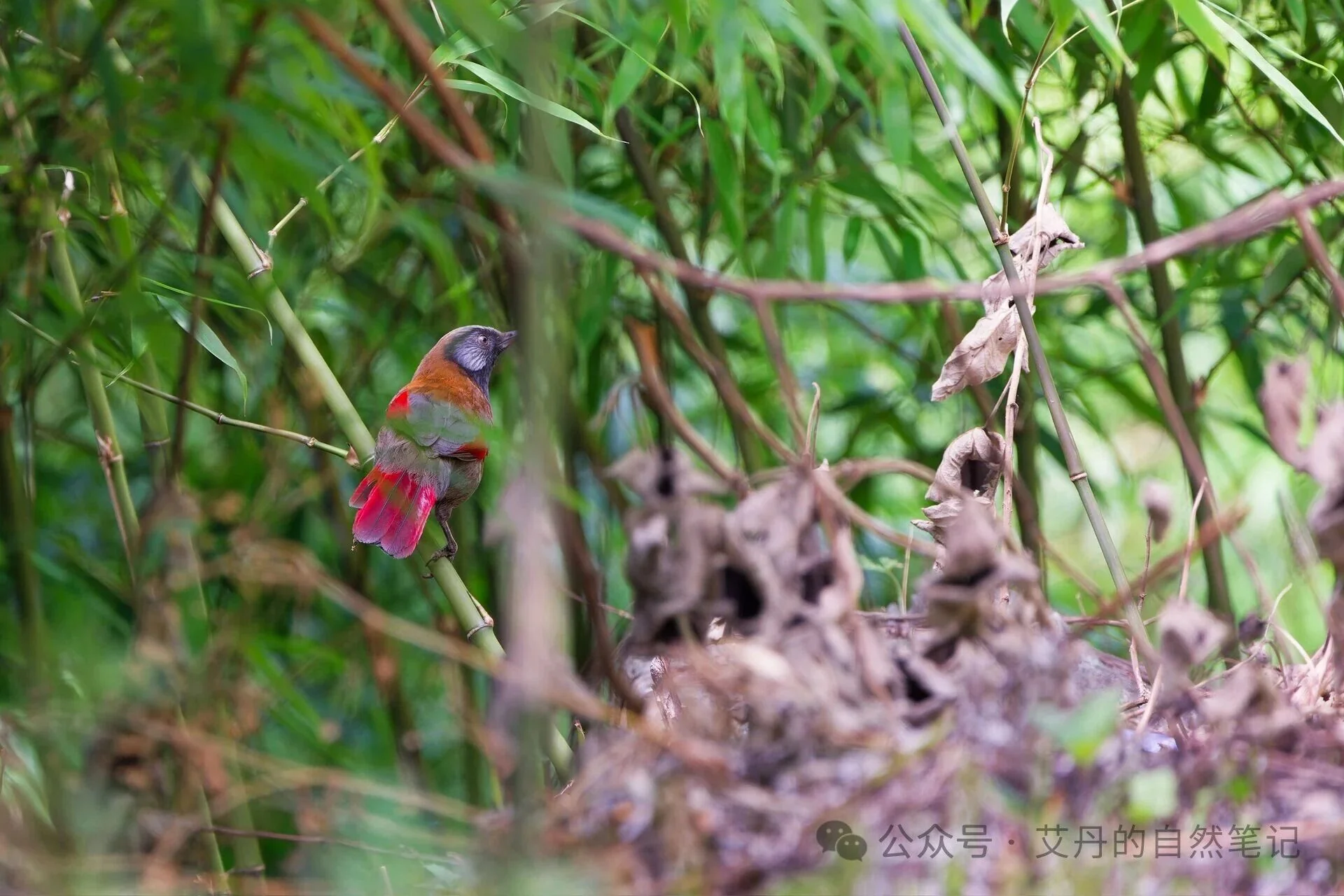
With the partridges seen, we got ready to head down the mountain, looking for Grey-headed Parrotbills on the way. A Chinese Blue Flycatcher was singing in the bamboo, and a Red-winged Laughingthrush flashed past, making up a little for hearing one at Wawu Mountain without ever seeing it.
Then we drove back to Chengdu; there was a World Cup match to watch that evening.
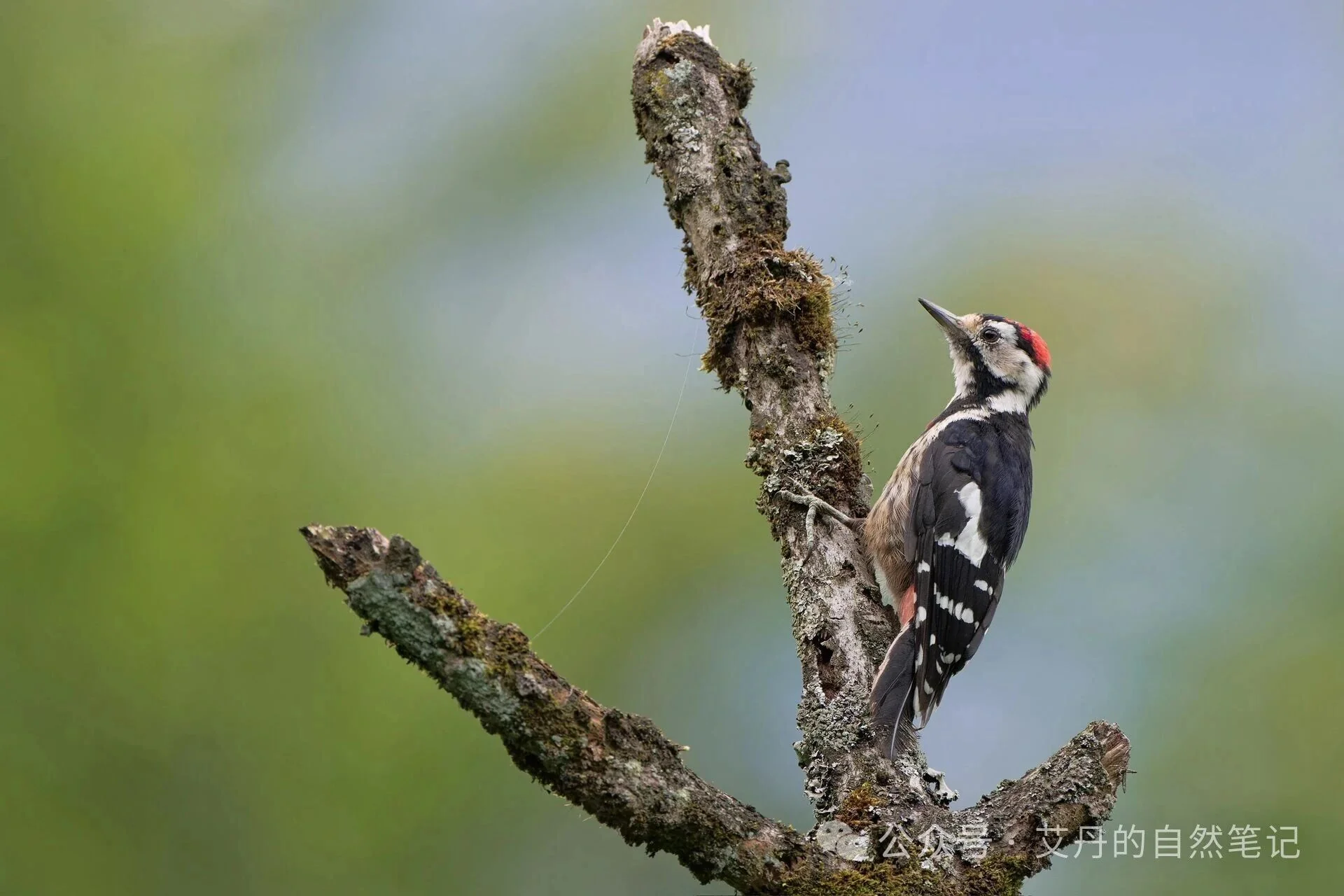
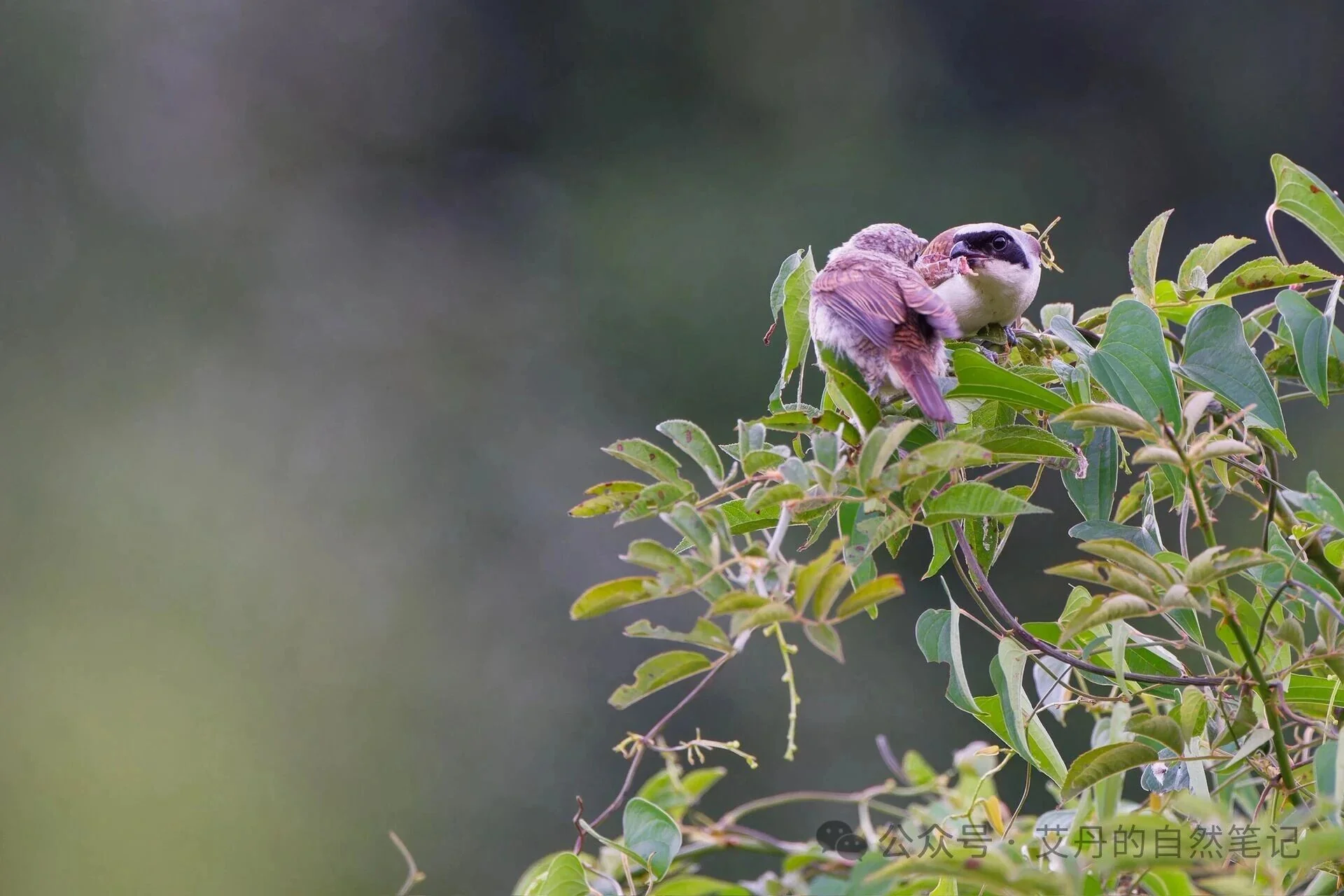
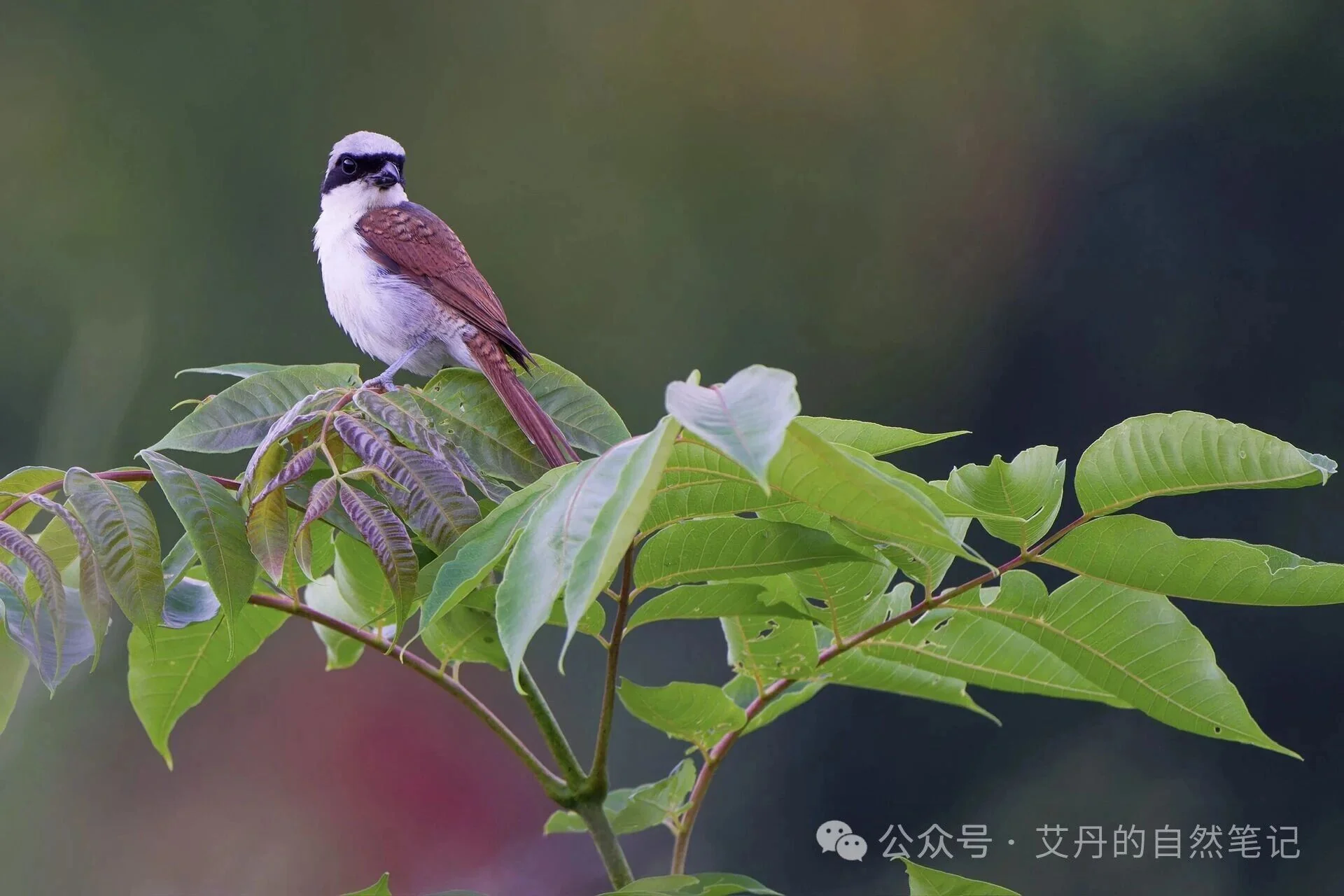
The next afternoon we went to the hills near Chengdu. The mixed flocks held Crimson-breasted Woodpeckers, Mrs. Gould's Sunbirds, and Chinese Babaxes, but the highlight was a family of Tiger Shrikes at low elevation: two fledglings, already flying. The male and female shuttled back and forth across the hillside catching insects for them. Their hunting success rate was impressive; in a short watch they caught many insects, sallying like flycatchers from an open perch, watching the air for passing insects and then darting out after them.
When even the Tiger Shrikes had started their dinner, it was time for us to leave. We made straight for Wenchuan County; up the mountain early the next morning, and we would need to leave by around noon, because the next day would be the last of this Sichuan trip.
Winding up the mountain road, the moment we stepped out of the car a Chinese Long-tailed Rosefinch was perched on a branch, then moved to a wire. Faintly, from the forest, came the calls of a Firethroat, and a few snatches of Slaty-blue Flycatcher song.
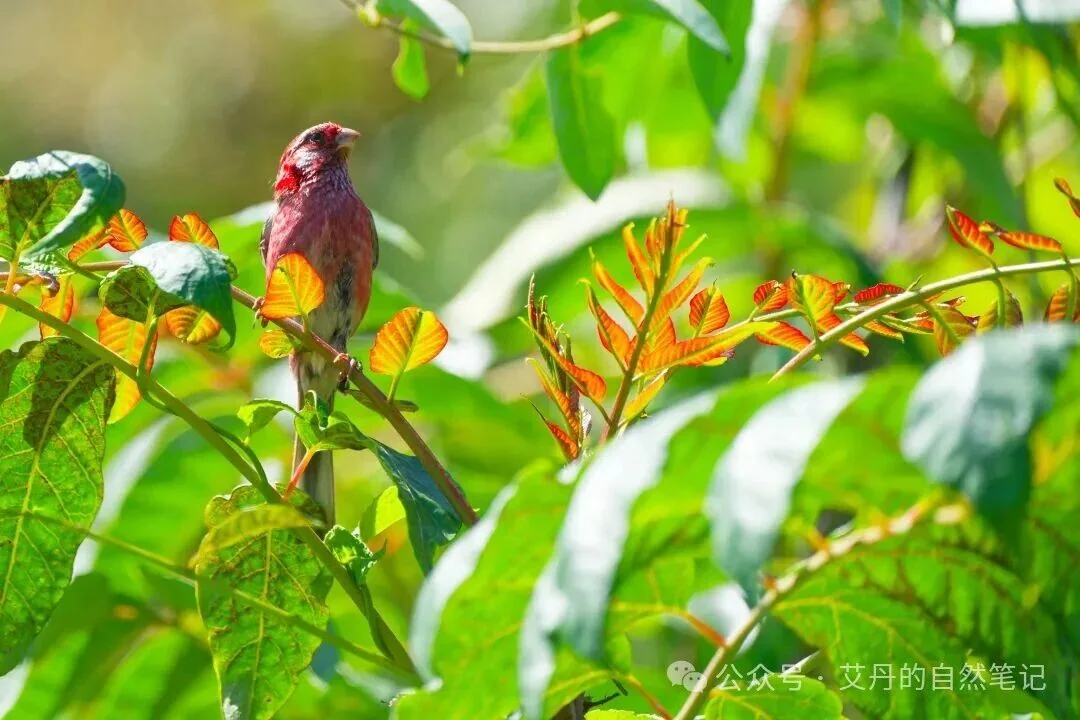
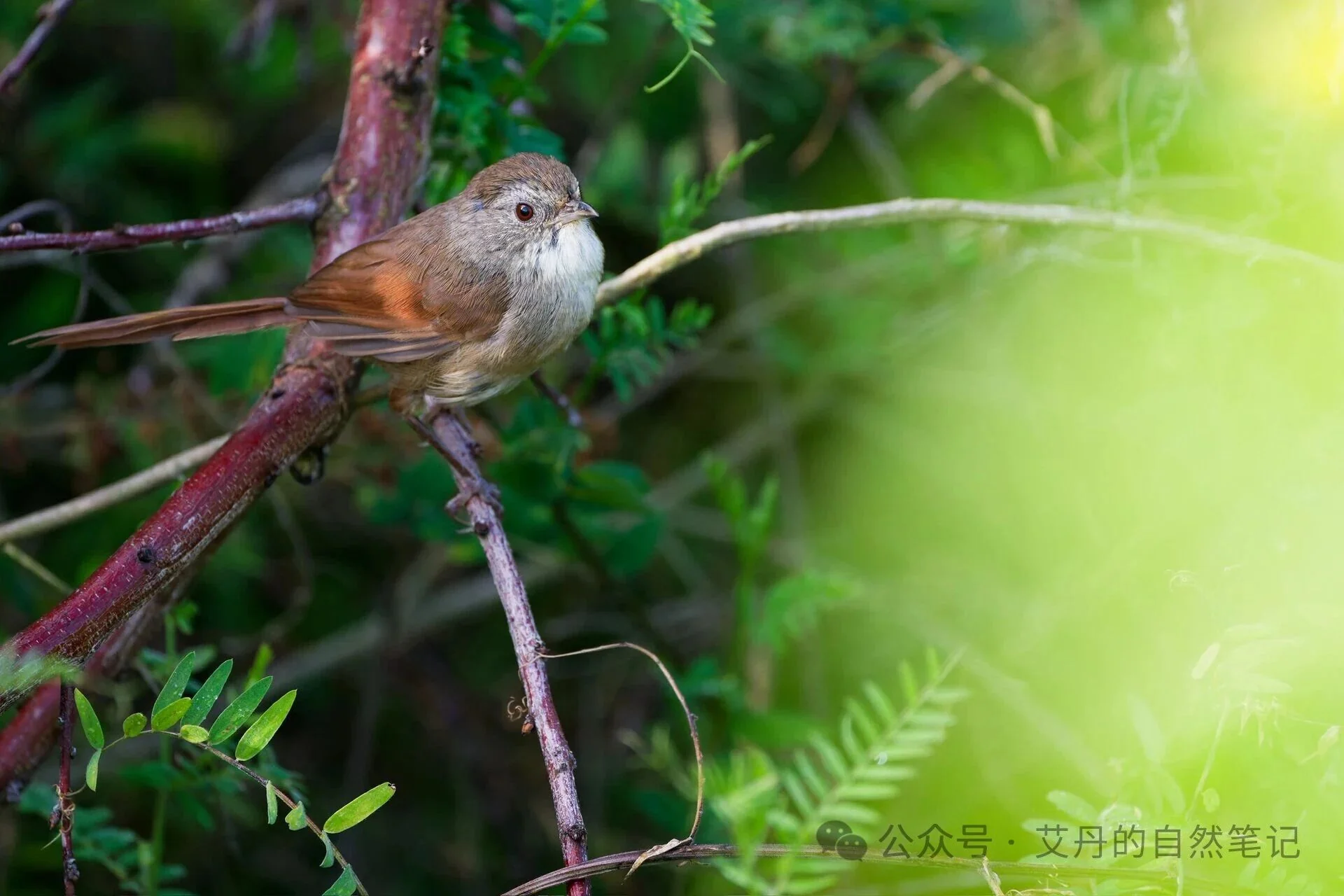
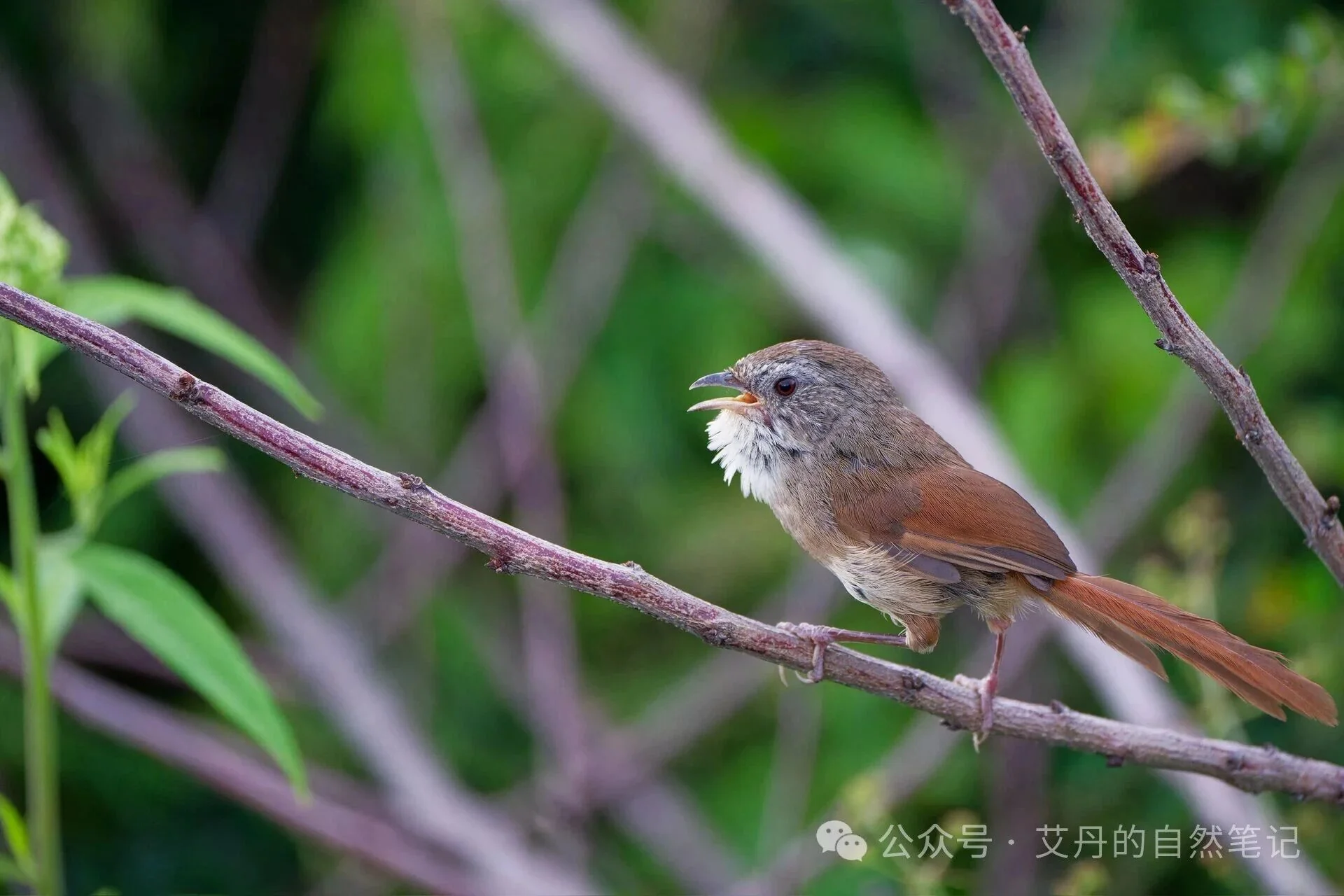
After a sun shower the cloudy sky cleared, though distant peaks stayed wrapped in the same cloud. The light rain seemed to bring the hillside back to life; as soon as it stopped, the Rufous-tailed Babblers in the shrubbery began to sing, and a pair stayed active near a fallen dead tree.
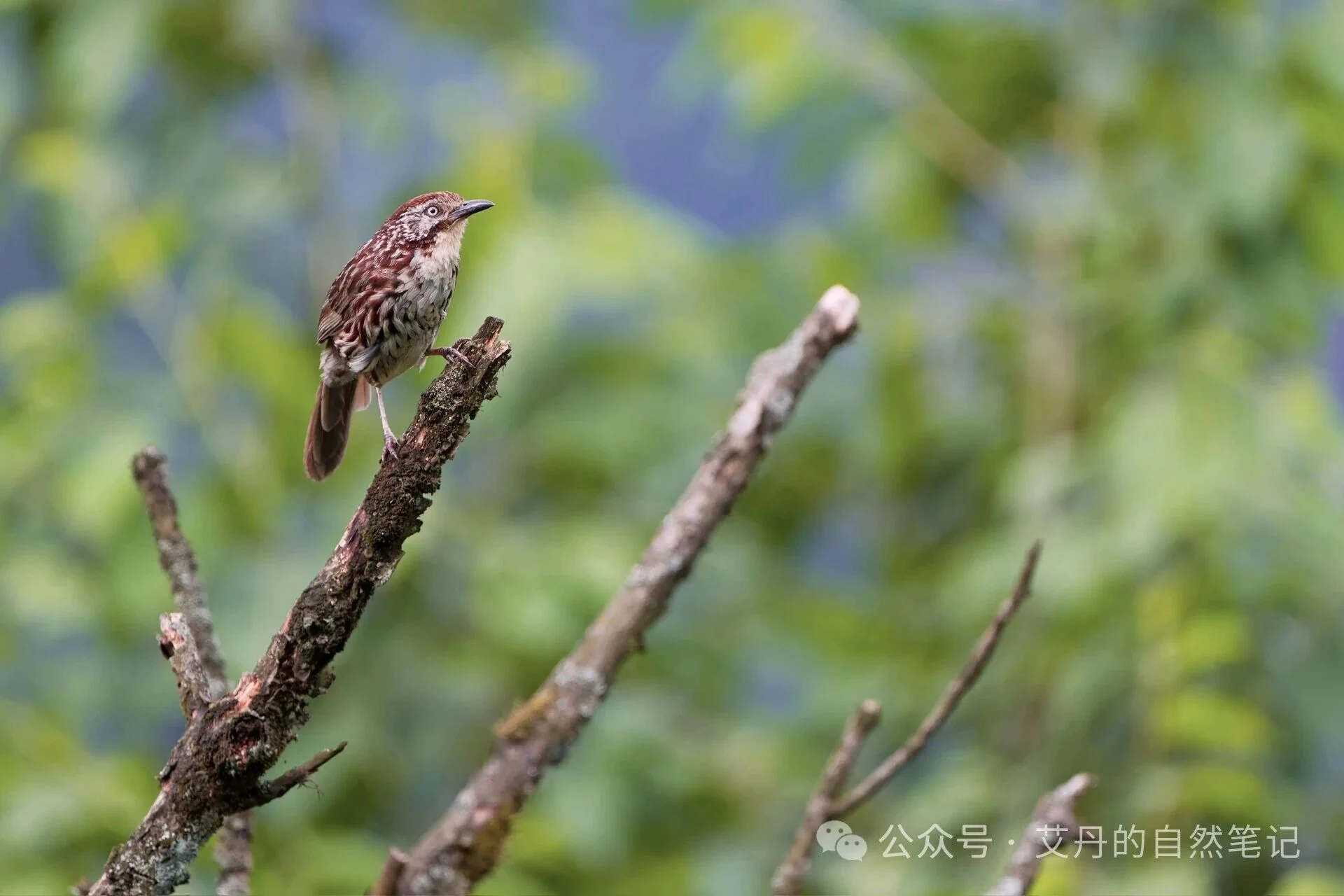
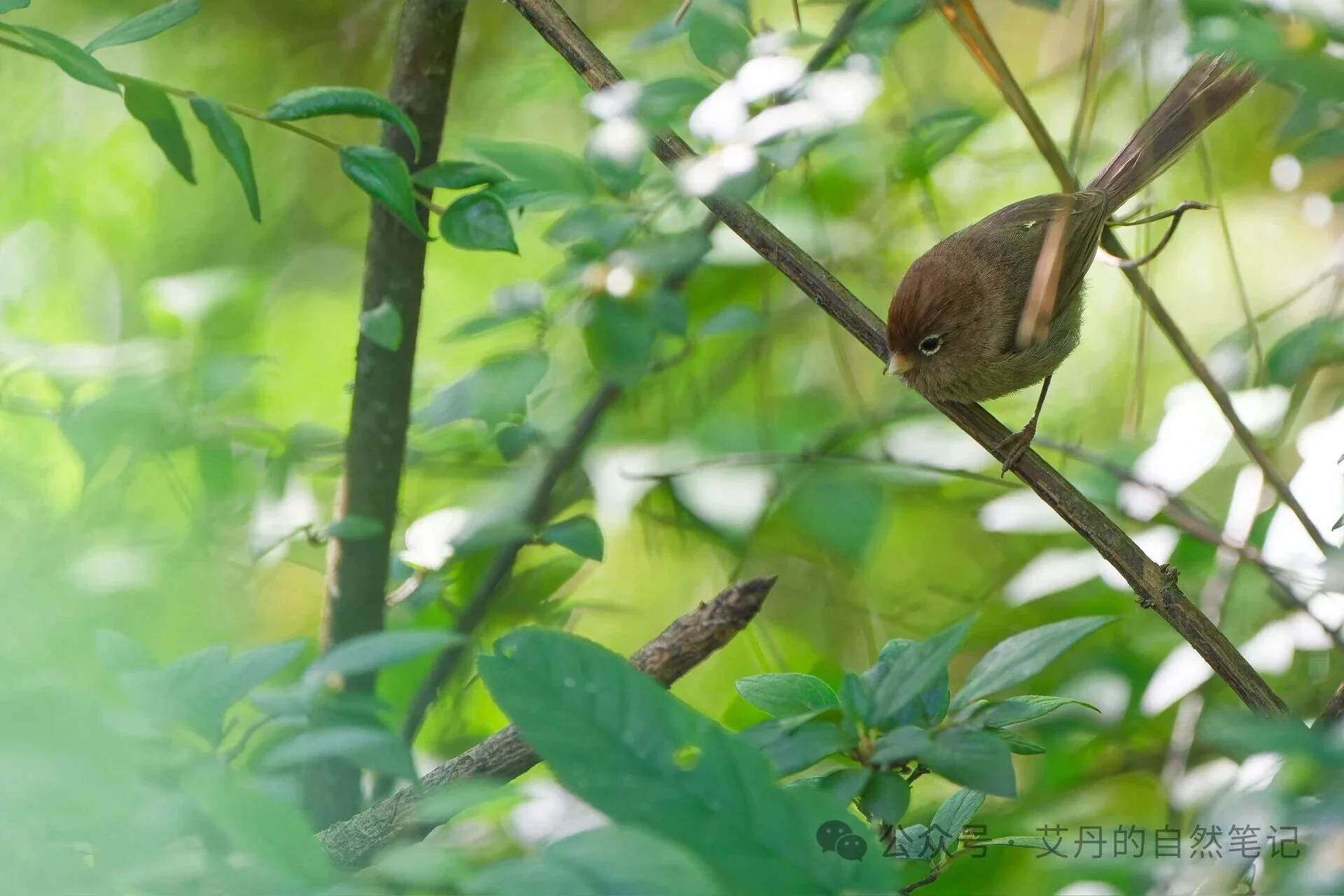
The birds here differed from the past few days: Spectacled Parrotbills, absent from the previous sites, were moving with a flock of Grey-hooded Fulvettas, and a Spectacled Fulvetta was mixed into that same big flock.
Before I knew it the temperature had climbed; whether the morning cloud had drifted over the mountain or simply dissolved in the air, sunlight now lit the whole slope, falling through the pines onto the forest floor. Time to bring this Sichuan trip to a close.
This single morning added a lot of species to the trip, bringing the Sichuan total to 170. And my China list is now just 7 species short of a thousand.
Comments