For the second installment of Birders Around Me, I interviewed Fangzhou Lou, a third-year student majoring in film and television production at the Communication University of China. We have known each other for a long time and often go birding together, from the horse ranch near Beijing to Medog in Tibet. Until now, however, we had never sat down for a proper conversation about the story behind his birding. We began with how it all started.
All photographs in this article were provided by Fangzhou Lou and are published with his permission.
A birding journey that began with a school club
Aidan: Could you introduce yourself?
Fangzhou: My name is Fangzhou Lou. I am a third-year student in film and television production at the Communication University of China, and I started birding in fourth grade.
Aidan: What prompted you to start in fourth grade?
Fangzhou: My science teacher organized a birding club, and I was close to that teacher. I loved dinosaurs and knew that birds had evolved from them, so I went along to see what it was like. Before birding, I used to catch insects with classmates after school, so I already had some interest in them. After I started watching birds, I spent less time on insects. Around 2019, I began paying more attention to amphibians, insects, and plants, though never in great depth. I learned to recognize common species and photographed them. Birding naturally brings you into contact with all kinds of wildlife, even when you are not looking for it, so I became interested in observing and photographing everything.
Aidan: When was your first serious birding trip?
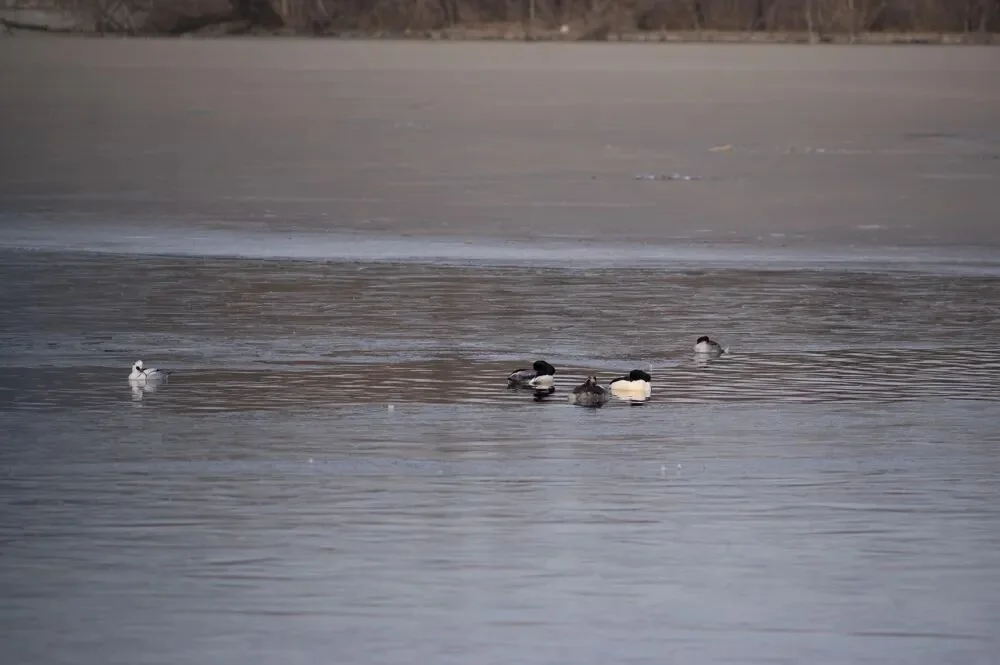
Fangzhou: That was a long time ago, probably in 2014 or 2015. The earliest record I can find on my hard drive is from December 20, 2014. I joined a City Green Island trip to the Summer Palace with the China Birdwatching Society and saw a Smew. It was a wonderful experience for me at the time. I would not say I go to the Summer Palace often. I usually visit when there is an organized trip or a rare bird to chase.
Aidan: Did activities like City Green Island have a major influence on you as a beginner?
Fangzhou: A very major one. When you go birding alone, you know nothing and have to figure everything out yourself, and you can easily head in the wrong direction. Experienced birders helped me avoid many detours. They showed me where to go in Beijing, taught me basic techniques and how to identify birds and use field guides, and gave me advice on what to look for. This applies to more than birding: it is important to establish solid foundations and the right direction from the beginning. City Green Island gave me exactly that kind of guidance.
Aidan: Was there a field guide that influenced you particularly strongly?
Fangzhou: The second edition of the little green book, A Field Guide to Common Wild Birds of Beijing. It was a small guide with a green cover, which is how it earned its nickname. It had not been out for long, and experienced birders recommended it highly. I read it constantly and took it to school. I bought two copies, and one is now falling apart from use. It is probably the book I have read the most.
Aidan: Was there an especially exciting encounter during those early years?
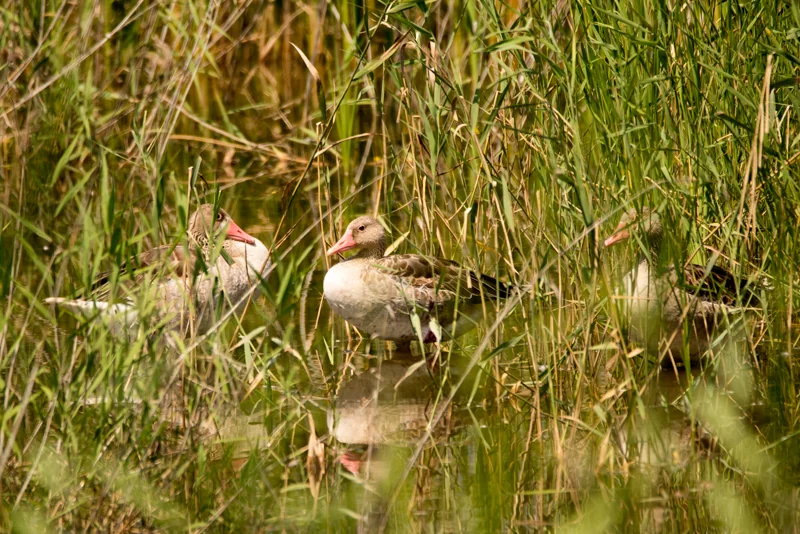
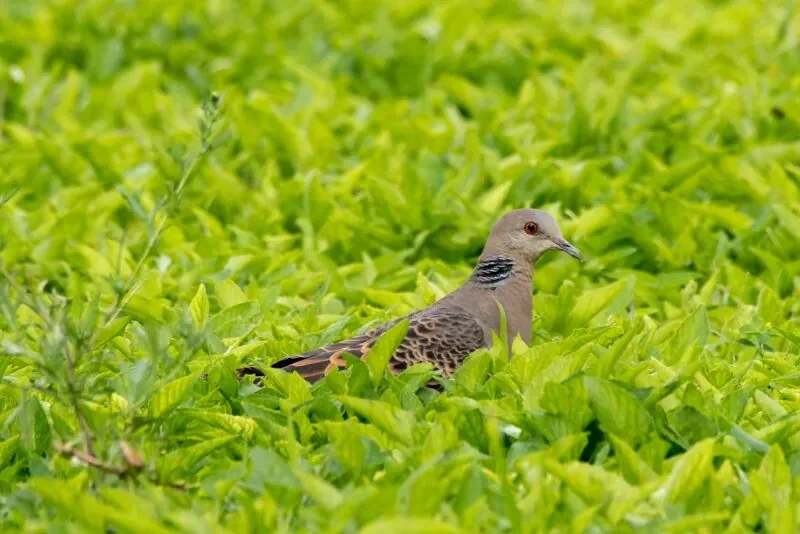
Fangzhou: One exciting experience was my first visit to Yeya Lake in the summer of 2015. I saw a Greylag Goose and was thrilled. It was a wild bird, and there were not as many captive-breed birds in Beijing at the time. I never expected to see one there in the middle of August. There is also a museum there, and on the lawn outside I saw an Oriental Turtle Dove at very close range and took some excellent photographs. Those encounters left a deep impression on me.
Aidan: When did your interest in photography begin?
Fangzhou: Around the same time as birding, or perhaps even earlier, in second grade. My father had worked in a related field, so I had access to cameras early on. I played around with a small digital camera. It was not serious photography, but I already enjoyed it. I had a camera by 2014, and my earliest photographs are dated December 20, 2014. My father did not directly teach me about birding; I mostly learned independently. His help came in other ways, such as helping me buy cameras and lenses and driving me to birding sites.
The people and books that shaped me
Aidan: Was there someone who had a particularly strong influence on your development as a birder?
Fangzhou: Teacher Guan, whom I met in 2017 during a China National Geography trip to Gaoligong Mountain in Yunnan. He was the bird guide for that trip. I was one of the most enthusiastic participants, so I probably made an impression on him. We got to know each other, and I later joined his trips to Jiangxi, Jiangsu, Yunnan, Xinjiang, and other places. Those experiences gradually broadened my knowledge of birds beyond Beijing and across China, and eventually introduced me to birding abroad. He helped me a great deal as I became a more experienced birder, including how to handle sensitive species and how to photograph birds responsibly and effectively.
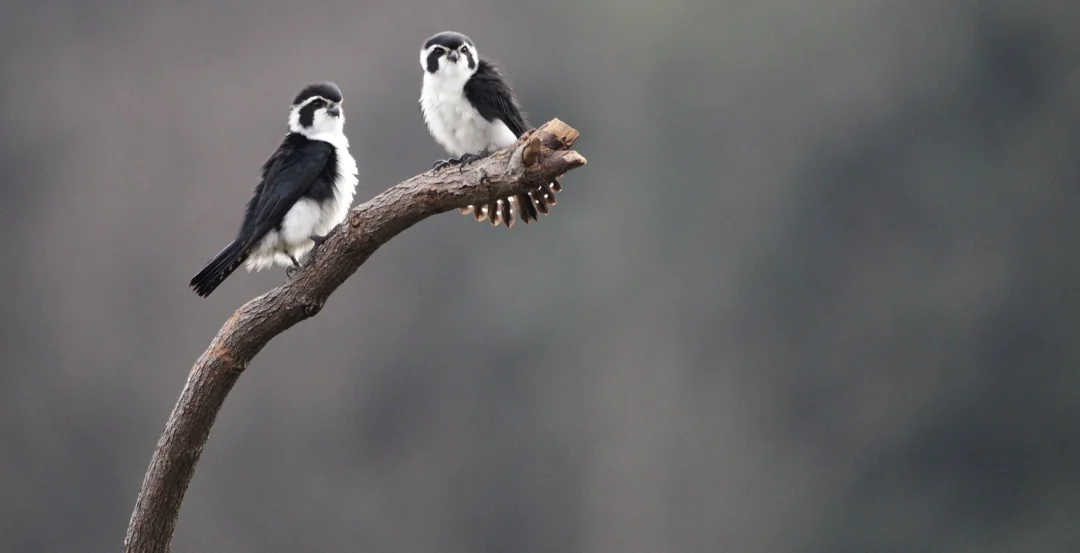
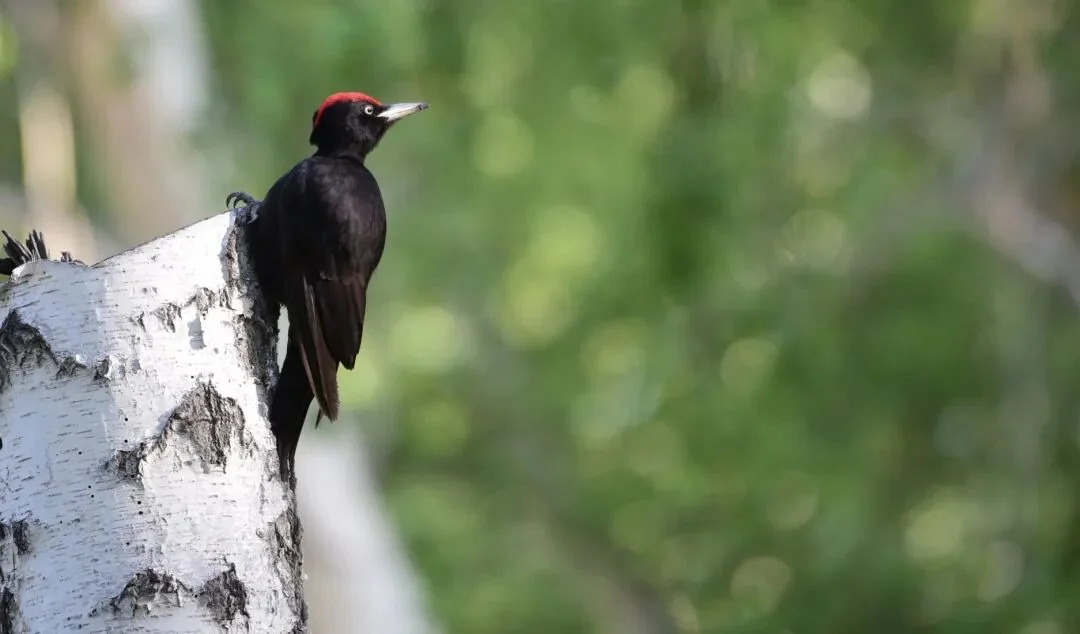
Aidan: How did you progress from reading the little green book to becoming familiar with birds across China?
Fangzhou: I took things slowly. It has been twelve years, and I still have not reached a thousand species in China, which is fewer than a hundred a year. Information was less accessible in the early years, and school limited how much I could travel. Those constraints also helped me focus on the birds around me in Beijing, which have always interested me. WeChat later made birding groups widely accessible. Rednote and international birding tours have also become direct sources of information about birds elsewhere in China and abroad. I am not in a particular hurry to travel overseas. I would rather learn China's birds properly first, just as I once learned Beijing's birds before looking farther afield. It is like progressing through a game: if you master the early levels, you are better prepared for the harder ones. If you do not even know the birds around you, visiting a completely unfamiliar province or country can be overwhelming. This gradual approach has worked well for me. I am not obsessed with the total number of species either, so steady progress suits me.
Aidan: Besides field guides, what other tools have helped you?
Fangzhou: Once WeChat birding groups became popular, their discussions helped me enormously. A field guide is a large book that you page through until you find what you need, which can be slow. Group discussions are much more targeted. If I do not recognize a bird, I can post a photograph and receive immediate feedback, including identification tips that are not in books, although much of that knowledge originally comes from books. People also compile digital identification guides in PDF format. I can read them on my phone and zoom in, which is useful when printed illustrations are small or not detailed enough. These are now my main sources of information. Conversations with local birders are especially valuable because their hard-earned experience is not written in any book.
Beyond Beijing: China and Malaysia
Aidan: Which parts of China have you visited?
Fangzhou: Mainly Yunnan, Tibet, Xinjiang, Qinghai, Inner Mongolia, Jiangsu, Jiangxi, Fujian, and Sichuan. There are still many provinces I have not visited. I counted yesterday: if I covered everything in Hainan, I could add more than twenty species to my list. I should find another opportunity to go.
Aidan: What about other countries?
Fangzhou: Malaysia is the only country I have visited specifically for serious birding. I have done little international birding otherwise, usually just observing casually while traveling for other reasons. Although Malaysia is not as developed overall as China, its birding industry is extremely well established. Almost every reserve offers guides and organized trips. Even taxi drivers know the famous birding sites. When we told drivers where we were going, they would say they knew the forest there. When we mentioned the Kinabatangan River, they knew about its elephants and orangutans. Even people who do not watch birds seem familiar with their country's wildlife, perhaps because it supports a significant part of the local economy. That is a noticeable difference from China.
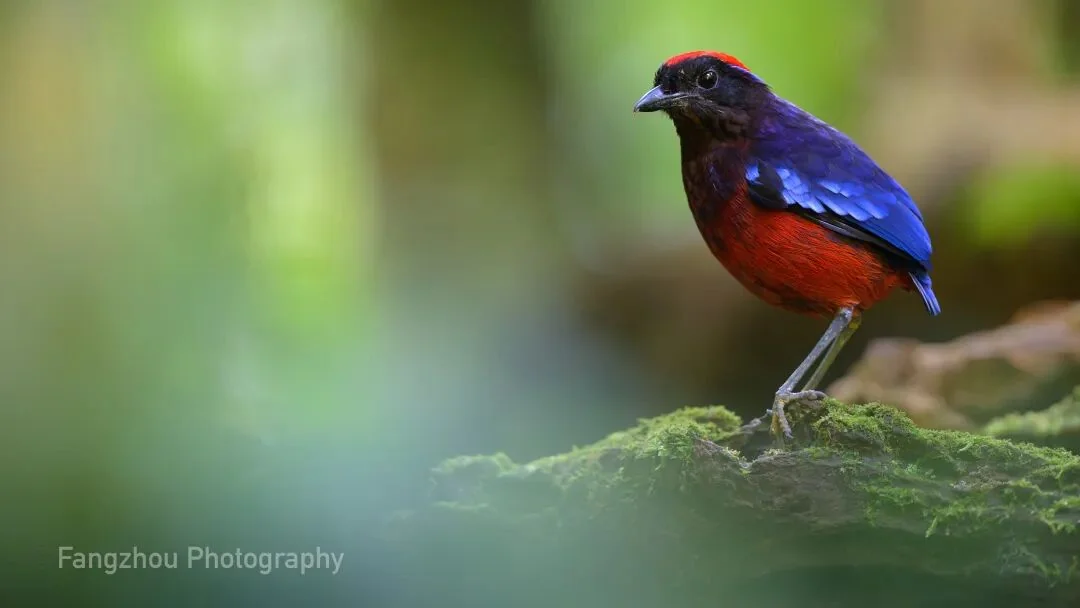
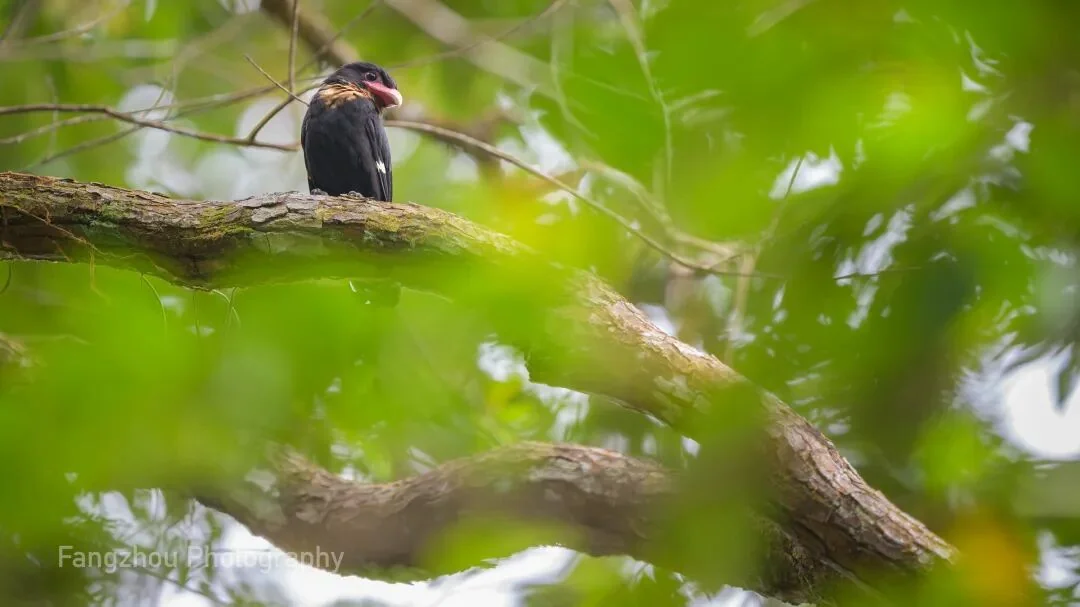
Aidan: I know almost none of Malaysia's birds. How did you learn about them?
Fangzhou: Birding and nature tourism are well developed there, and there are dedicated guides such as Birds of Borneo. I did not buy that one; I relied mainly on local birders and knowledgeable people. I am not determined to collect every species abroad, and I let go of birds that are particularly difficult to identify. I focus more on species that are distinctive to the area. I also look at itineraries from birding tours, which include photographs and names of important target species, and then research those birds myself.
Aidan: Which part of China offers your favorite overall birding experience?
Fangzhou: Sichuan is still my favorite. It has many established birding sites, as well as less-developed areas and a wide range of habitats. Around Chengdu and to the east, there are lowland birds. Western Sichuan offers plateau and forest birds, as well as alpine meadows and scree. Farther north, places like Zoige and the Baxi Forest have birds similar to those in Qinghai. The range of habitats and elevations is remarkable, the scenery is beautiful, and the food is excellent. For me, Sichuan currently offers the best all-round birding experience in China. I would recommend it first to international birders too, especially because it has so many endemic species.
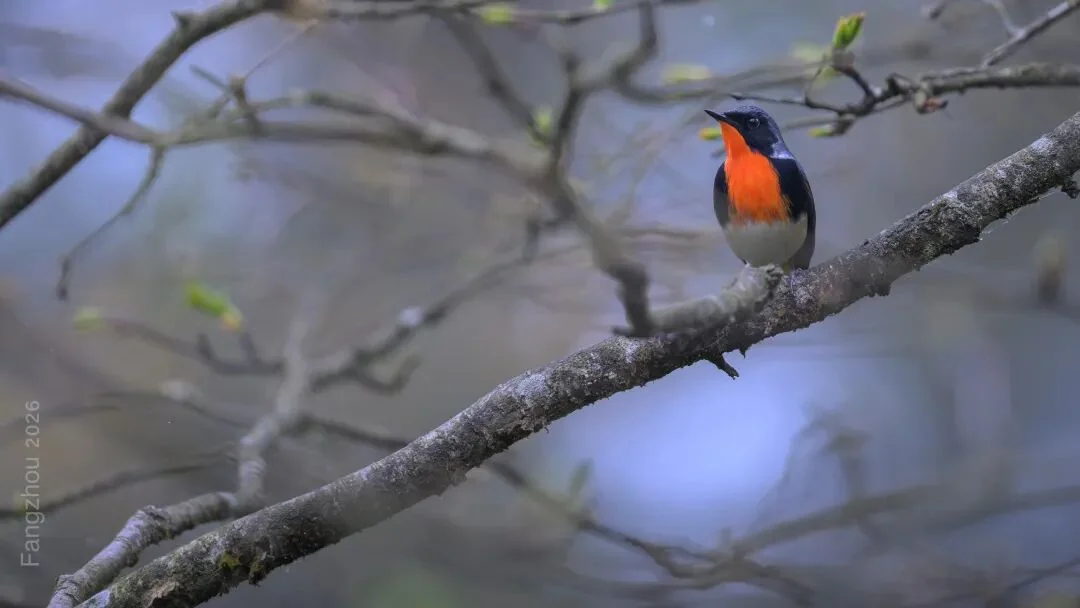
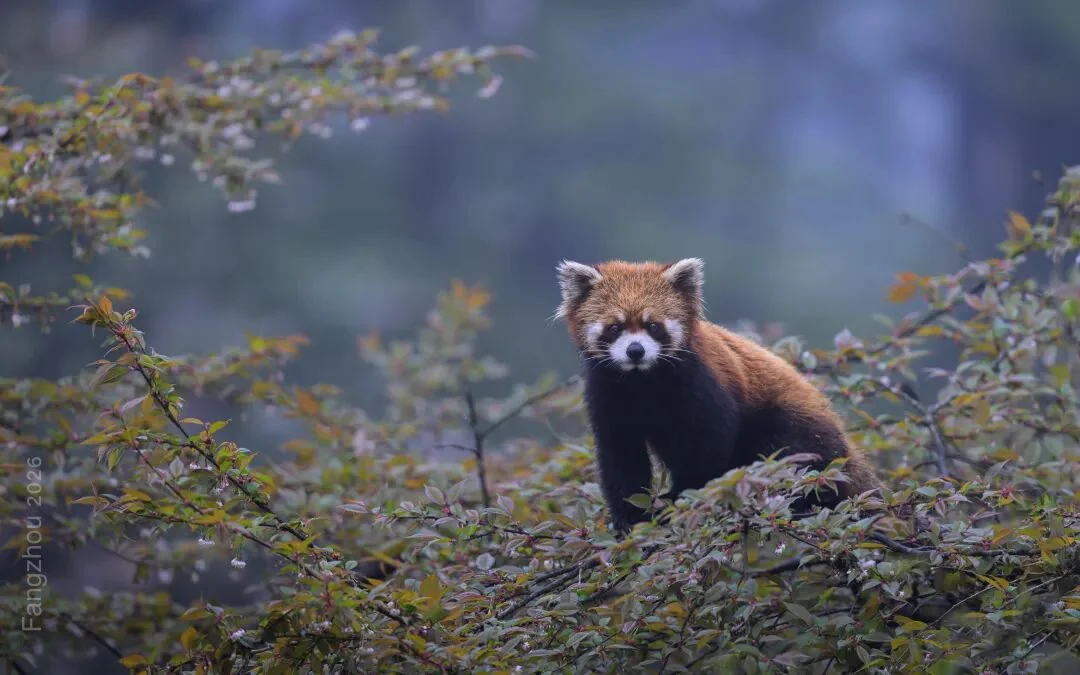
This concludes the first part of my conversation with Fangzhou Lou. We also discussed his photography, the environment, and what birding means to him. Those topics will appear in the second part.
Comments